❤ Supporting homeschool families and independent creators.


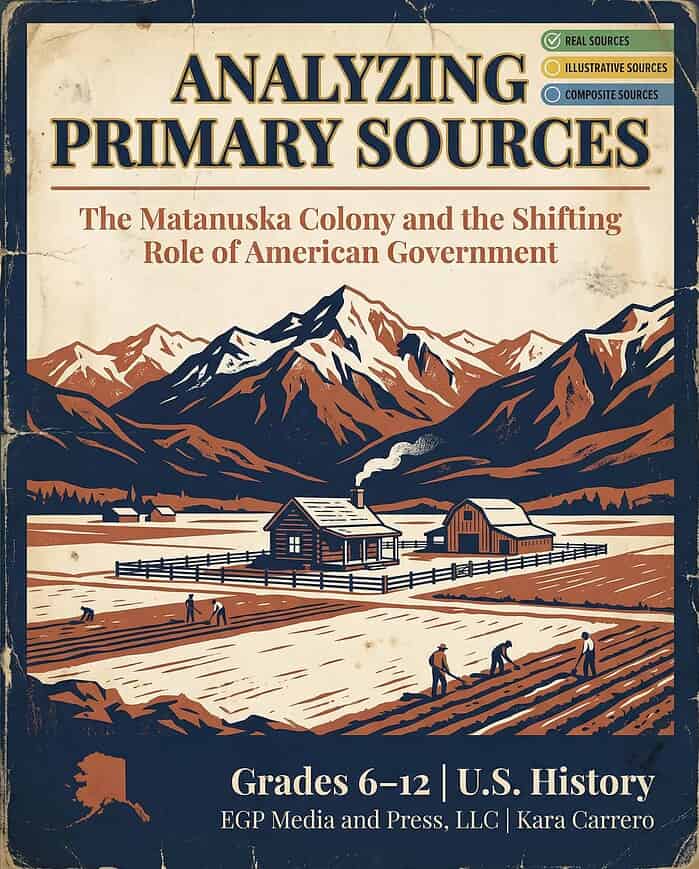
Analyzing Primary Sources: Alaska’s Matanuska Colony & U.S. Government
$5.00
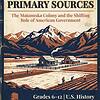
A 26-page primary source analysis unit exploring how the 1935 Matanuska Colony reflects the shifting role of American government, from Homestead-era individualism to New Deal federal intervention. Includes real, composite, and illustrative sources, each clearly labeled with full transparency notes and verified archive…
A 26-page primary source analysis unit exploring how the 1935 Matanuska Colony reflects the shifting role of American government, from Homestead-era individualism to New Deal federal intervention. Includes real, composite, and illustrative sources, each clearly labeled with full transparency notes and verified archive links. Built for grades 6–12.
Description
What does it look like when the government stops stepping aside and starts stepping in?
This primary source analysis unit uses Alaska’s Matanuska Colony, one of Franklin Roosevelt’s most ambitious and controversial New Deal experiments, as the lens for examining one of the most significant shifts in U.S. history: the transformation of the federal government’s relationship with its citizens.
Students move through three source sets spanning 1862 to 1959, analyzing how the language of American settlement changed from rugged individualism to federal rehabilitation, and what that change reveals about power, identity, and who gets left out of the historical record entirely.
✦ About the Packet
This packet uses a three-tier source framework that teaches document analysis on two levels at once: students analyze the historical sources AND evaluate the sources in the packet itself.
Every source is clearly labeled:
✅ Real Sources: Fully verified, publicly archived documents with direct links to the National Archives, Chronicling America, the Eisenhower Presidential Library, and Alaska’s Digital Archives.
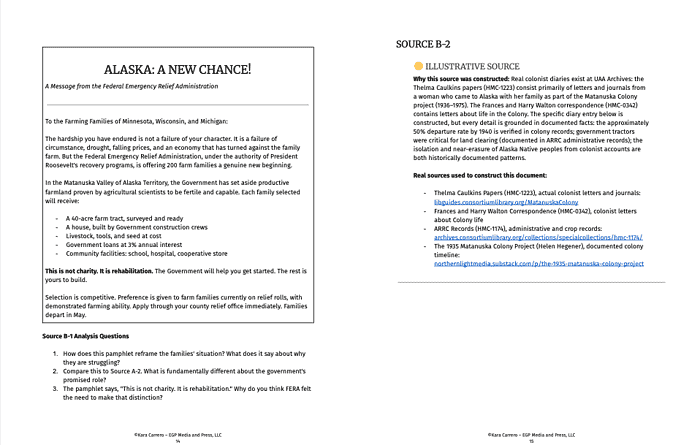
🟡 Illustrative Sources: Carefully constructed teaching documents modeled on verified historical evidence, used where the ideal primary source exists in a physical archive but is not publicly digitized. Each includes a full transparency note explaining what real evidence it draws from and where comparable authentic materials can be found.
🔵 Composite Sources: Real historical language presented in a new format, with original citations included.
✦ What Is Included (26 pages)
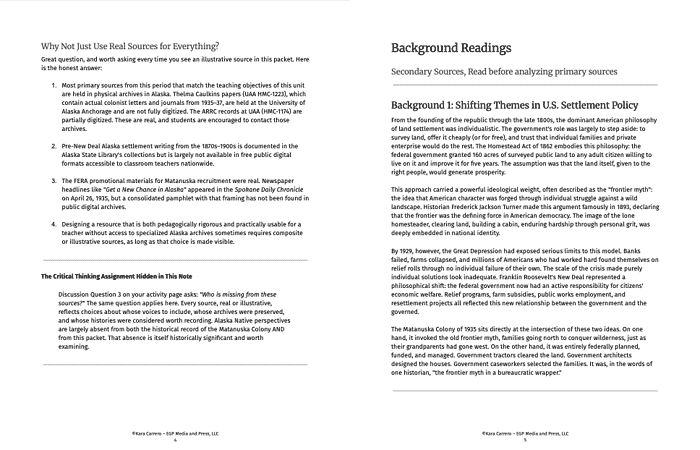
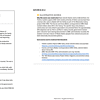
Transparency Note (2 pages) Explains all three source types and the pedagogical reasoning behind each. Functions as a critical thinking exercise on its own.
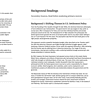
Background Readings (2 pages)
-
Shifting Themes in U.S. Settlement Policy
-
A Brief History of the Matanuska Colony
Source Set A: Pre-New Deal Alaska Settlement
-
Source A-1: Illustrative 1877 prospector letter from Sitka
-
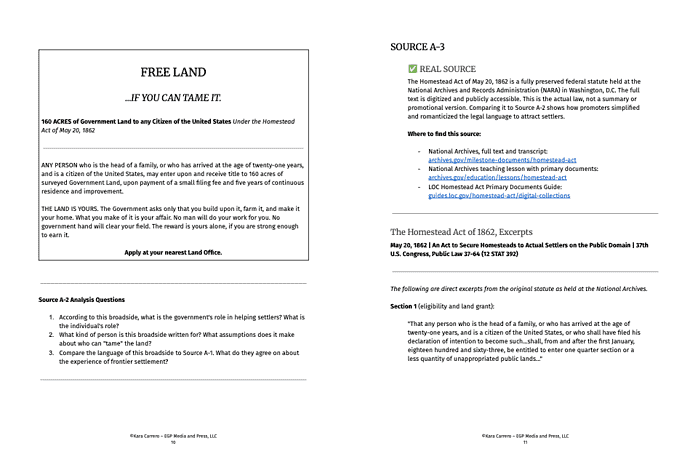
Source A-2: Composite Homestead Act promotional broadside
-
Source A-3: Real excerpts from the Homestead Act of 1862 (National Archives)
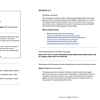
Source Set B: The Matanuska Colony, 1935–1938
-
Source B-1: Composite FERA recruitment pamphlet built from verified contract language
-
Source B-2: Illustrative colonist diary entry grounded in documented colony records
-
Source B-3: Real photographic source from the Palmer Museum and Alaska’s Digital Archives
Source Set C: Legacy and Criticism, 1940–1959
-
Source C-1: Illustrative 1940 editorial representing documented critical press coverage
-
Source C-2: Real documents from the Alaska statehood debate, including a verified letter from President Eisenhower to Senator Henry Jackson
Student Activities
-
3 analysis questions per source
-
Comparative T-chart with source evidence log
-
3 discussion questions, including a structured prompt on Alaska Native erasure from the historical record
-
CER writing scaffold (Claim, Evidence, Reasoning)
-
3 creative synthesis options: 1935 FERA recruitment poster, protest poster from a Dena’ina Athabascan perspective, or a 1960 newspaper editorial
Archive Directory Live links to every real archive referenced, organized by topic.
✦ Key Themes
-
Individualism vs. collective action
-
Laissez-faire policy vs. federal intervention
-
The frontier myth and its limits
-
New Deal ideology and resettlement programs
-
Cold War strategic priorities
-
Source credibility and document analysis
-
Historical erasure and missing voices
✦ Best Used For
-
U.S. History survey courses, grades 6–12
-
AP U.S. History document analysis practice
-
Government and civics courses examining the changing role of federal power
-
Any New Deal unit as a supplemental primary source set
-
Paired with Sweet Home Alaska by Carole Estby Dagg for a literature and history crossover unit
✦ A Note on the Matanuska Colony
The colony is a genuinely under-taught moment in American history, specific enough to be fresh for students but rich enough to carry major thematic weight. It connects the frontier myth, the New Deal, World War II strategic planning, and Alaska statehood, making it unusually productive for discussion!
Additional information
| Grade | |
|---|---|
| Homeschool Style | Any Styles, Classical & Traditional, Online, Virtual, & Subscription, Unit Study |
| Parent Involvement | |
| Product Format | |
| Resource Type | |
| Worldview |
Only logged in customers who have purchased this product may leave a review.
Vendor Information
- Store Name: EGP Media and Press
- Vendor: EGP Media and Press
- No ratings found yet!
-

The Wright 3 Novel Study | Frank Lloyd Wright Architecture Projects | Fibonacci Math STEAM Activities
Complete project-based novel study transforming “The Wright 3” into hands-on exploration of Frank Lloyd Wright architecture, Fibonacci mathematics, and philosophical thinking. 126 pages include building projects, virtual field trips, differentiated activities for ages 8-18, and…

-
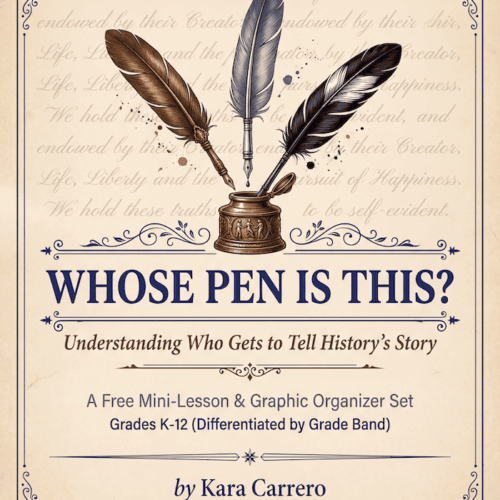
Whose Pen Is This? Free Historical Perspective Lesson for K-12 | Teaching Students to Question Sources
Free K-12 mini-lesson teaching students to question who writes history. Differentiated graphic organizers help students analyze Revolutionary War events from multiple perspectives and identify whose voices are missing from historical narratives.
-
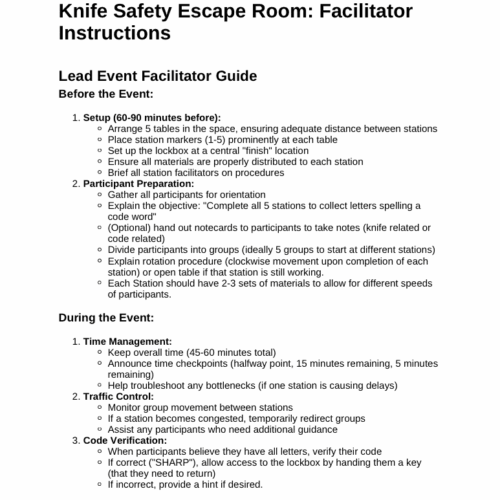
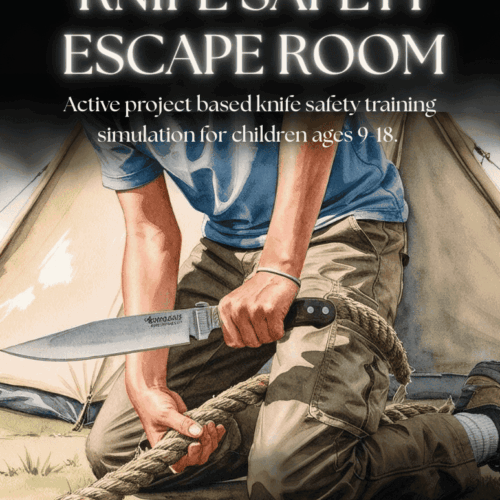
Knife Safety Escape Room — Puzzle based knife handling skills challenge
Pocket Knife Safety Escape Room Transform knife safety education into an exciting challenge! This immersive escape room experience teaches 9-18 year-olds essential pocket knife handling skills through five interactive puzzle stations. Participants solve challenges to…
-
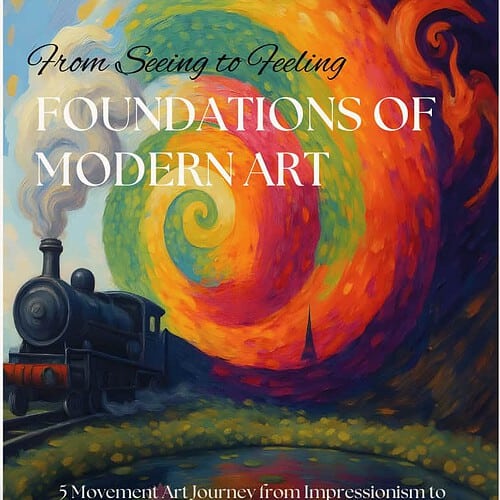
Foundations of Modern Art: From Seeing to Feeling Art History Unit Study
Complete art history curriculum and unit study covering the birth of modern art (1860s-1910s). Includes 5-movement progression from Impressionism to Expressionism with differentiated materials for grades 3-12. Features hands-on projects, historical context, assessment tools, and flexible…
-
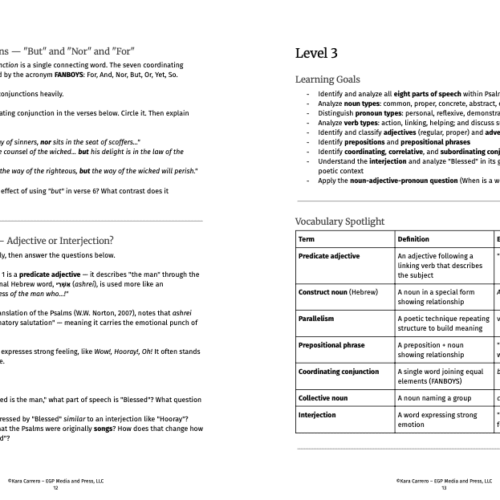
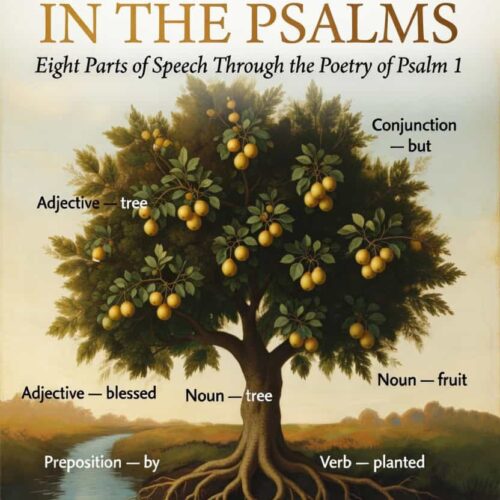
Grammar in the Psalms: Eight Parts of Speech Through Psalm 1 (Differentiated for Grades K-12)
Teach grammar through the beauty of ancient Hebrew poetry. This differentiated unit uses Psalm 1 to explore nouns, verbs, adjectives, and more across three levels, from elementary identification to high school literary analysis. Includes complete…
-
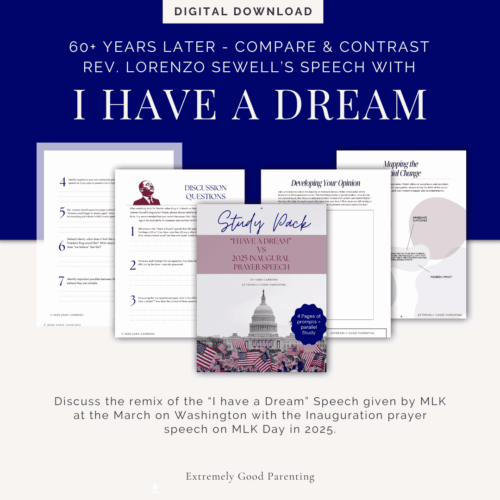
“I Have a Dream” speech Rhetorical Analysis And Comparision With Rev Lorenzo Sewell’s Inaugural Prayer
Use Rhetorical Analysis to compare and contrast the iconic “I have a Dream” Speech with Rev. Lorenzo Sewell’s remix of it during the Trump Inauguration of 2025.
DIGITAL PRODUCT REFUNDS
Digital products are not applicable for refunds. Any purchase of a digital product (audio, video, course, download, printable, etc.) is final because we cannot revoke your access to digital content.
PHYSICAL PRODUCT REFUNDS
- This is a multivendor marketplace. As such, each store owner maintains their own refund policy. When purchasing from one of our vendors, you should reach out to them directly to address product concerns. Each of our vendors has their contact information in their store profiles.
- Should you have an issue with a product, please email the store owner directly using the owner information found in their store.
- If you have a problem with an item and are not receiving an appropriate answer from a vendor, please contact our site at [email protected] to escalate the issue.
- Homeschool Resource Co. is not able to troubleshoot our vendor’s products as we do not own them. However, we can reach out to the store manager on your behalf.
Related products
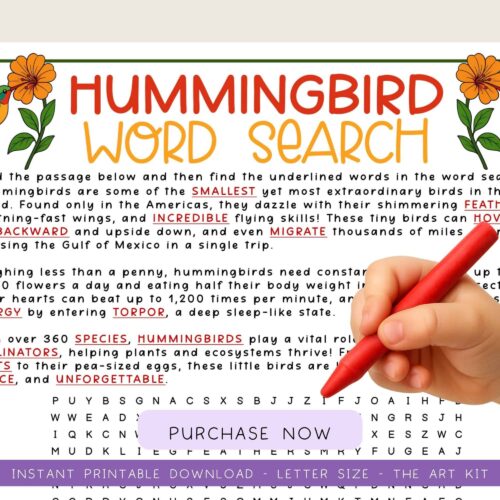
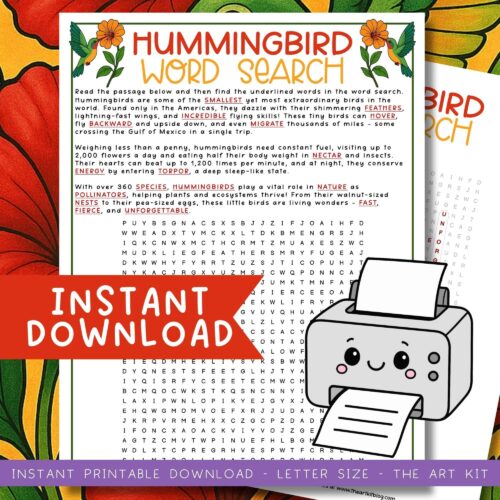
Word Search PDF, Hummingbird Printable, Vocabulary Activities, Word Find Games
Kids love these Printable Hummingbird Word Searches with Fun Facts! 📄 Instant Download | Printable Hummingbird Word Search Looking for a fun and educational activity for kids? This hummingbird word search includes interesting facts and…

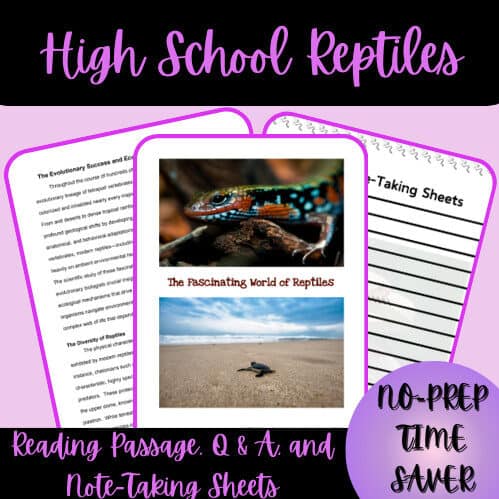
High School Reptiles Reading Passage, Q & A, and Note-Taking Sheets
Engage high schoolers with a detailed reading passage, analysis questions, and note-taking sheets exploring reptile biology and ecology.

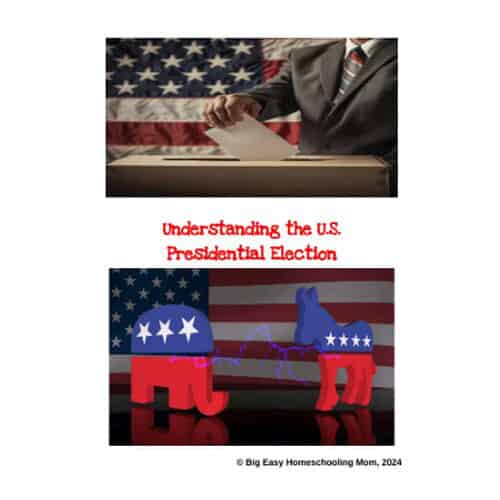
NO-PREP Comprehensive Full Unit Study on Understanding the U.S. Presidential Election
This NO-PREP comprehensive full unit study on Understanding the U.S. Presidential Election for upper middle and high school students. This resource includes a detailed reading passage and Q&A, lesson plan, scope & sequence, pacing guide,…
NO-PREP Teaching Resources on The History of Halloween
Delve into this NO-PREP Teaching Resource on The History of Halloween with this 2-week lesson plan, scope & sequence, and engaging PowerPoint presentation. Designed for middle and high school students, this bundle includes NO PREP…
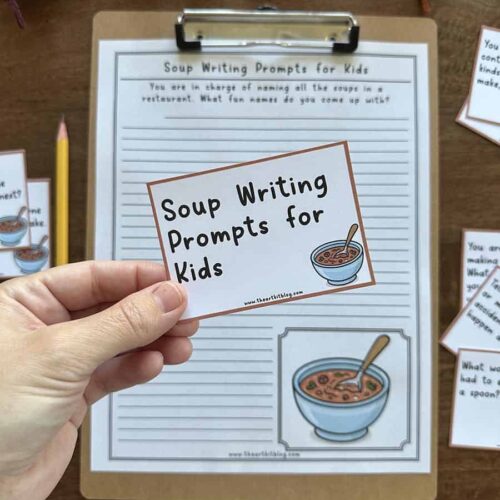
Creative Writing with Soup | Winter Writing Prompts Journal + Cards | Homeschool Language Arts for Ages 5–15 and up | PDF Printable
Make winter writing cozy and creative! This printable writing pack includes 40 soup-themed prompts in two formats: a journal with lined pages and matching prompt cards for flexible use. Children can write directly in the…


The Outsiders Powerpoint, Research Projects, & Note-Taking Sheets
Engaging 4-week The Outsiders course with editable PowerPoint, 10 detailed research projects, and 20 note-taking sheets for high school ELA.
Fruit of the Spirit Bundle
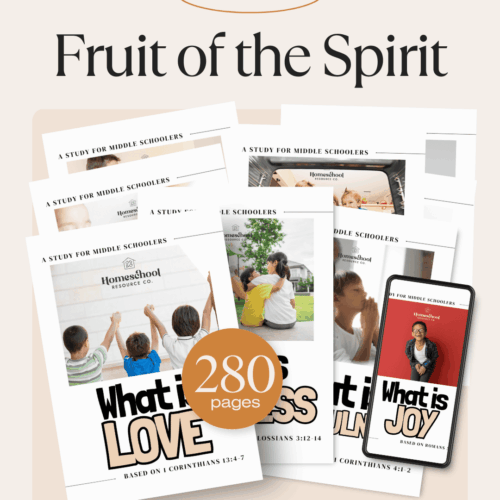
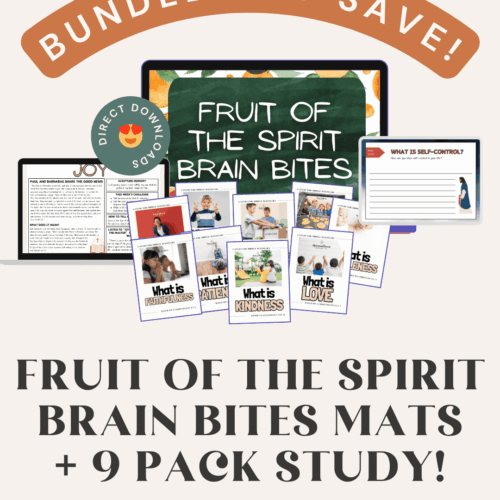
Introducing the Fruit of the Spirit Bible Study Bundle, a comprehensive and engaging, 300-page Bible study designed specifically for middle schoolers and upper elementary kids.

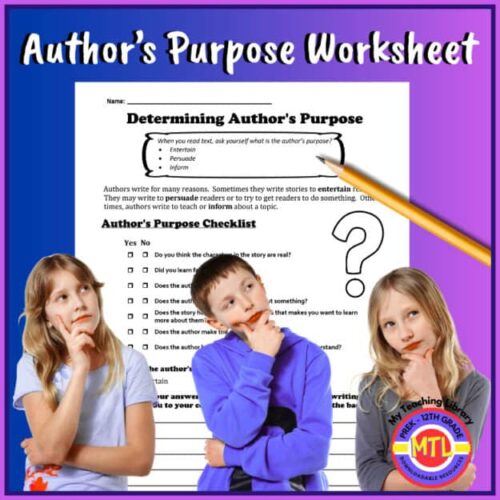
Author’s Purpose Worksheet | P.I.E.
Help your students gain understanding any written text by being able to determine an author’s purpose. Was the piece written to persuade, to inform or to entertain?
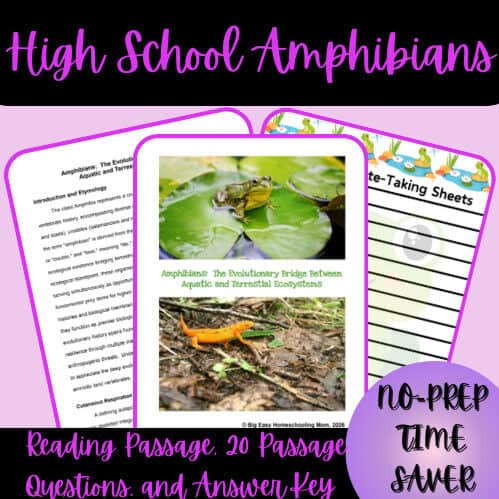
High School Amphibians Reading Passage, Q & A, and Note-Taking Sheets
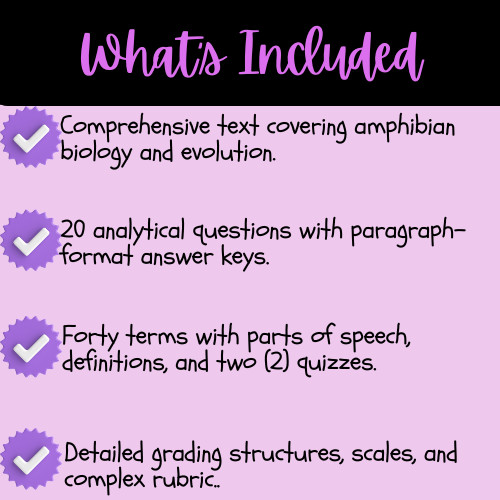
A complete high school science resource featuring an in-depth amphibian reading passage, twenty analytical questions, an answer key, and ten note-taking sheets.
Reviews
There are no reviews yet.