
Five Pillars Framework: Free Declaration of Independence Teaching Guide | 250th Anniversary
$0.00
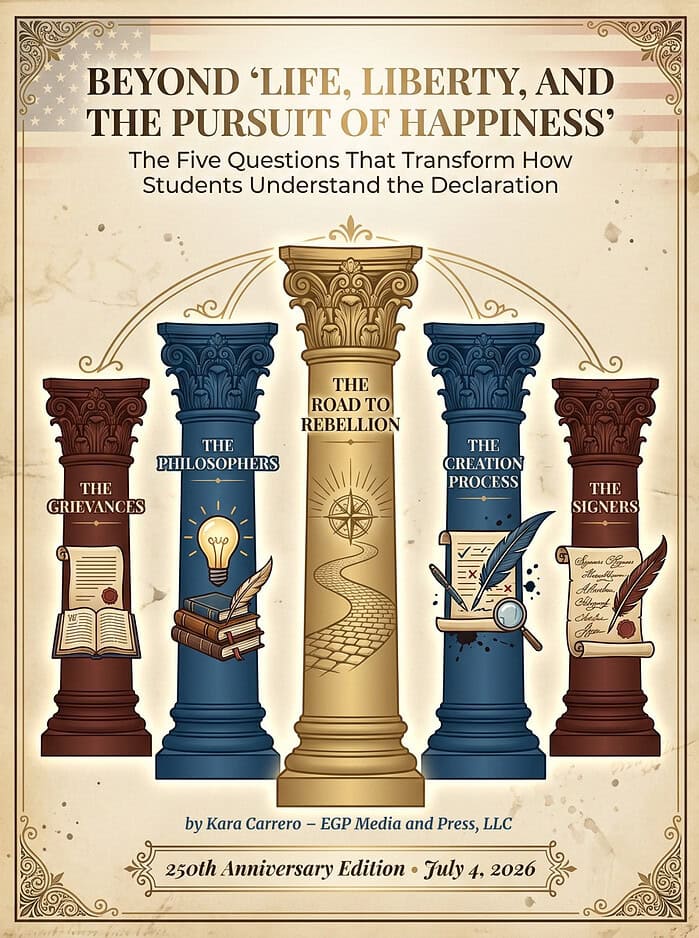
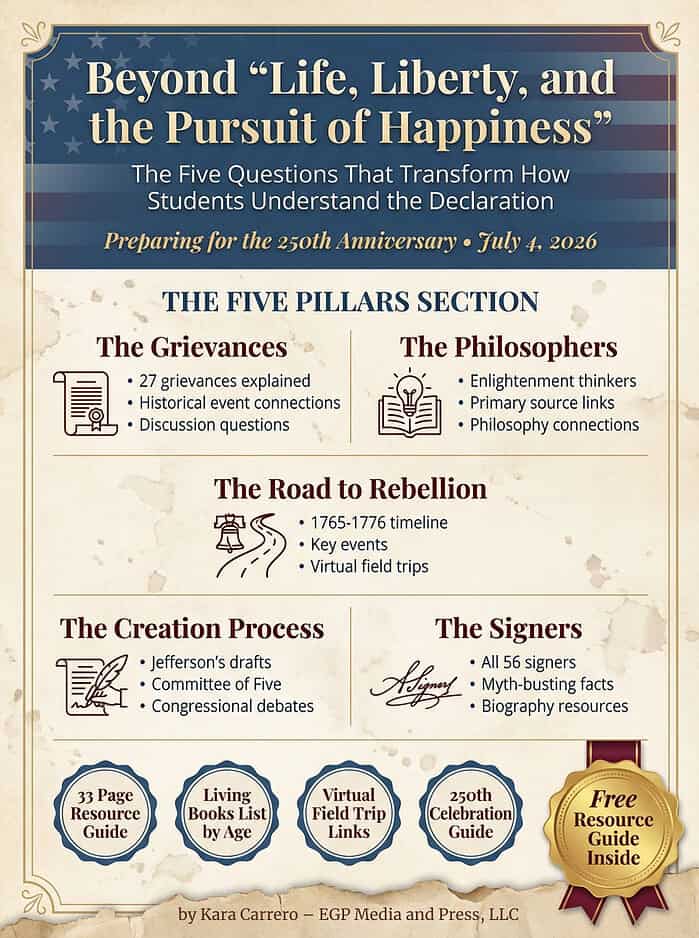
Free 33-Page teaching guide for the Declaration of Independence’s 250th anniversary (2026). Learn the Five Pillars framework: The Grievances, The Philosophers, The Road to Rebellion, The Creation Process, and The Signers.
Page count: 33 pages
- Grade
- Family Style, 1st, 2nd, 3rd, 4th, 5th, 6th, 7th, 8th, High School (9-12), Parent Product
- Homeschool Style
- Any Styles, Family Style, Charlotte Mason, Classical & Traditional, Eclectic, Montessori, Unit Study
- Parent Involvement
- Collaborative (Parent Guided), Parent Only, Self-Led for Students
- Product Format
- Digital Download
- Resource Type
- Core
- Worldview
- Neutral Worldview
Description
Move beyond “life, liberty, and the pursuit of happiness” with this comprehensive framework for teaching the Declaration of Independence.
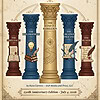
The Five Pillars Framework gives you a complete, multi-dimensional approach to teaching America’s founding document. Instead of reading the Declaration once and moving on, students examine it from five distinct angles that build deep historical understanding.
The Problem It Solves:
Most curricula reduce the Declaration to memorizing its date and famous phrases. Students read it once, identify the main idea, and think they’re done.
But the Declaration of Independence is far more complex than that. It’s a legal argument, a philosophical statement, a revolutionary manifesto, a product of intense debate, and a document signed by 56 men who risked everything.
Students deserve to understand all of that.
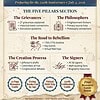
The Five Pillars:
PILLAR 1: THE GRIEVANCES
Were the colonists’ complaints justified? Students investigate the 27 grievances like detectives, evaluating whether accusations were based on real events, exaggerated for effect, or legitimate interpretations of British policy. They learn that the grievances represent the colonists’ ARGUMENT for independence, not neutral historical fact.
PILLAR 2: THE PHILOSOPHERS
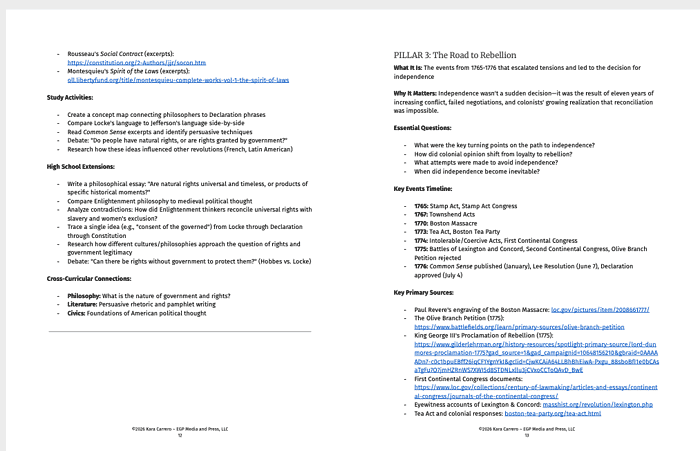
How did Enlightenment ideas shape revolutionary thinking? Students trace the “ancestral DNA” of liberty by examining how John Locke, Montesquieu, Rousseau, and others influenced Jefferson’s language and the colonists’ understanding of rights, government, and revolution.
PILLAR 3: THE ROAD TO REBELLION
What events transformed loyal British subjects into revolutionaries? Students explore the escalating conflicts from the Stamp Act through Lexington and Concord, understanding how each event built momentum toward independence.
PILLAR 4: THE CREATION PROCESS
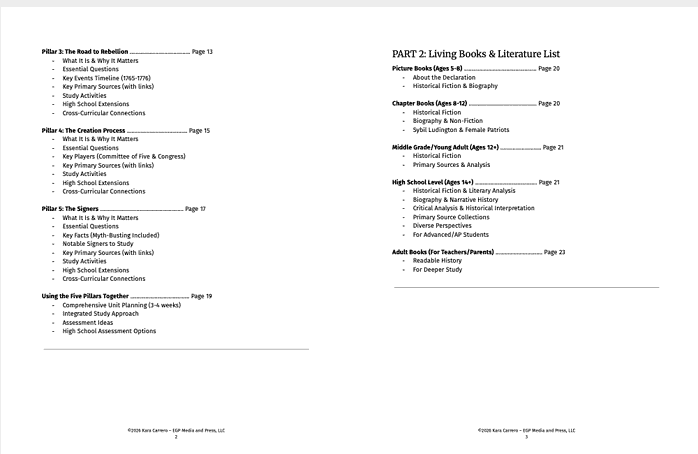
How was the Declaration actually written? Students discover that the document we read today is NOT Jefferson’s original draft. They analyze his rough draft, Adams’ and Franklin’s edits, and Congress’s revisions—including what was cut and why (like Jefferson’s anti-slavery passage).
PILLAR 5: THE SIGNERS
Who were these 56 men and what did they risk? Students move beyond “old white guys in wigs” to understand the signers as individuals: their backgrounds, motivations, sacrifices, and what they stood to lose (and did lose) by signing.
Why This Framework Works:
Each pillar addresses a different dimension of the Declaration:
- Intellectual history (philosophers)
- Political context (road to rebellion)
- Rhetorical analysis (grievances)
- Creation and revision (drafting process)
- Individual human stories (signers)
Together, they create students who understand the Declaration as a complex, contested, carefully crafted document created by real people in a specific historical moment.
Differentiated for All Grade Levels:
The framework adapts beautifully from elementary through high school:
Elementary (K-5): Simple introductions to each pillar with age-appropriate depth
Middle School (6-8): Deeper analysis with critical thinking about each dimension
High School (9-12): Sophisticated examination including contradiction, context, and complexity
What’s Included:
✓ Complete overview of the Five Pillars framework
✓ Explanation of how each pillar builds historical thinking skills
✓ Grade-level implementation suggestions
✓ Teaching strategies for each pillar
✓ Connections between pillars
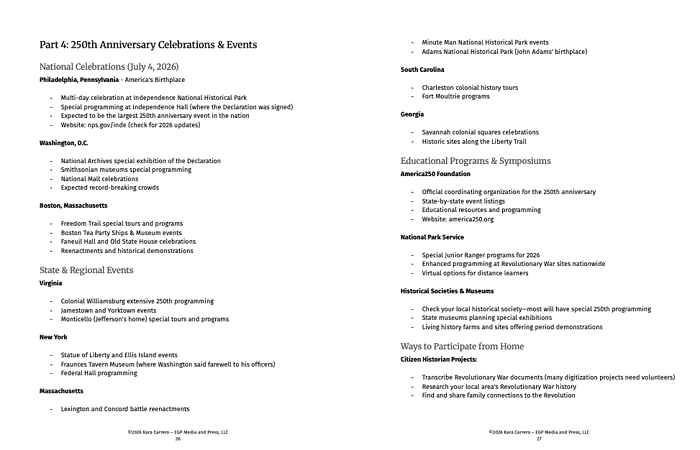
✓ Planning guide for the 250th anniversary (2026)
✓ Extension ideas for project-based learning
✓ Bibliography and additional resources
Perfect For:
- Comprehensive Declaration of Independence units
- Planning for the 250th anniversary in 2026
- Interdisciplinary studies (history, English, civics)
- Project-based learning
- Differentiated instruction across grade levels
- Homeschool curriculum planning
How to Use This Framework:
Option 1: Complete Unit
Teach all five pillars as a comprehensive multi-week Declaration study
Option 2: Strategic Selection
Choose the pillars most relevant to your curriculum (e.g., Philosophers + Grievances for intellectual history focus)
Option 3: Spiral Curriculum
Introduce all five pillars at introductory level, then revisit with increasing depth across grade levels
The 250th Anniversary Opportunity:
July 4, 2026 marks the Declaration’s 250th anniversary. This framework helps you create meaningful, rigorous commemoration that goes far beyond surface-level celebration.
Standards Addressed:
This framework supports standards around:
- Document analysis and primary source skills
- Understanding historical causation
- Analyzing point of view and purpose
- Evaluating competing interpretations
- Making connections across time and place
Pair It With:
This framework pairs perfectly with:
- “Whose Pen Is This?” (questioning sources and recognizing whose voices are missing)
- “The Time Machine Rule” (understanding historical context without excusing harm)
Ready to Transform Your Declaration Teaching:
Download this free framework today and give your students the multi-dimensional understanding they deserve.
Note: This is a teaching framework and implementation guide. For complete ready-to-use lessons for each pillar, explore our Revolutionary America curriculum collection
Additional information
| Grade | Family Style, 1st, 2nd, 3rd, 4th, 5th, 6th, 7th, 8th, High School (9-12), Parent Product |
|---|---|
| Homeschool Style | Any Styles, Family Style, Charlotte Mason, Classical & Traditional, Eclectic, Montessori, Unit Study |
| Parent Involvement | Collaborative (Parent Guided), Parent Only, Self-Led for Students |
| Product Format | |
| Resource Type | |
| Worldview |
Only logged in customers who have purchased this product may leave a review.
Vendor Information
- Store Name: EGP Media and Press
- Vendor: EGP Media and Press
- No ratings found yet!
-

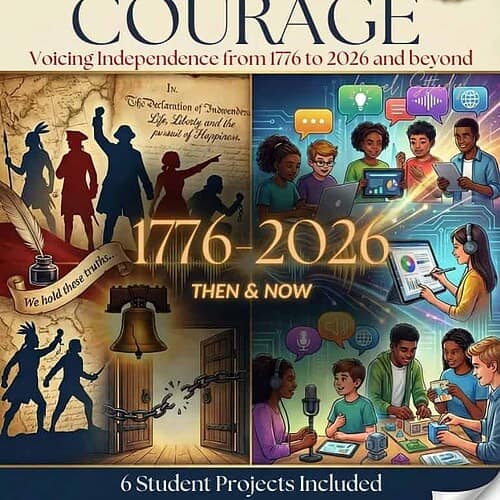
Revolutionary Courage: Voicing Independence from 1776 to 2026 and Beyond
Celebrate America’s 250th with this complete K-12 Revolutionary War project-based curriculum. Six differentiated student-choice projects explore courage and independence from 1776 to 2026 using primary sources and virtual field trips. Includes teacher guide with 12…
-
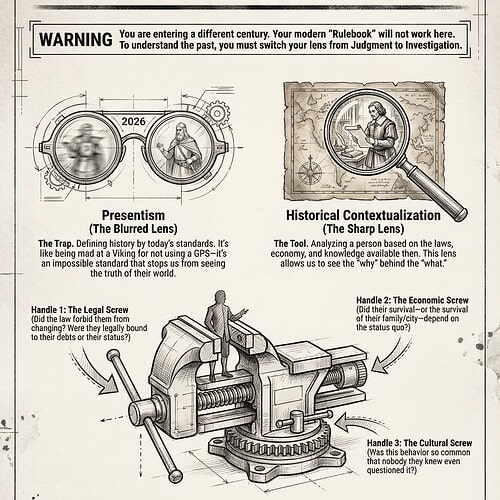
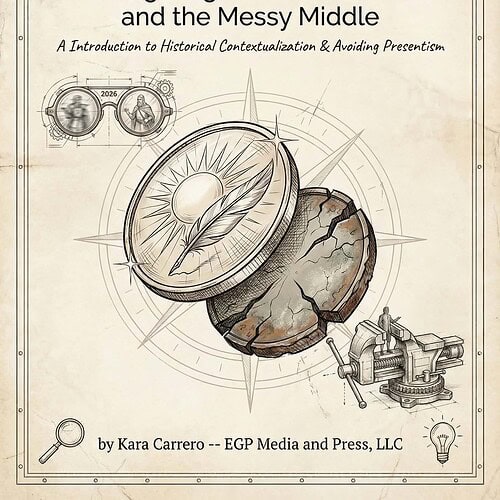
Time Machine Rule: Teach Historical Contextualization and avoid Presentism
The Master Data Table: A scholarly look at figures from Antiquity to the 20th Century (Aristotle, Charlemagne, Jefferson, and more). The “Vise-Grip” Audit: A student manual page to help kids analyze the pressures of any era. The…
-
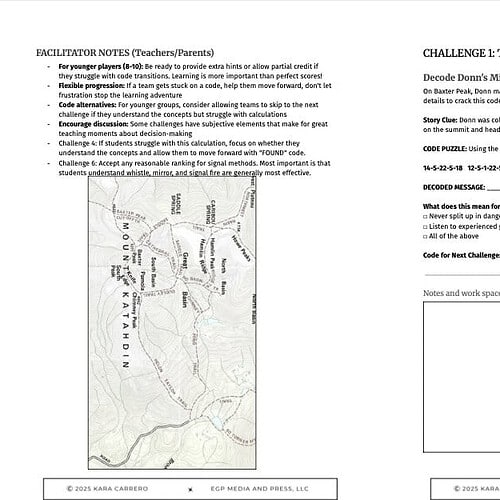
Lost on Katahdin: Novel Study Survival Escape Room + Lost on a Mountain in Maine
Transform “Lost on a Mountain in Maine” into an unforgettable survival adventure! This print-and-play escape room combines literature comprehension with real wilderness survival skills through 7 engaging challenges. Perfect for ages 8-14, homeschool families, classrooms,…
-
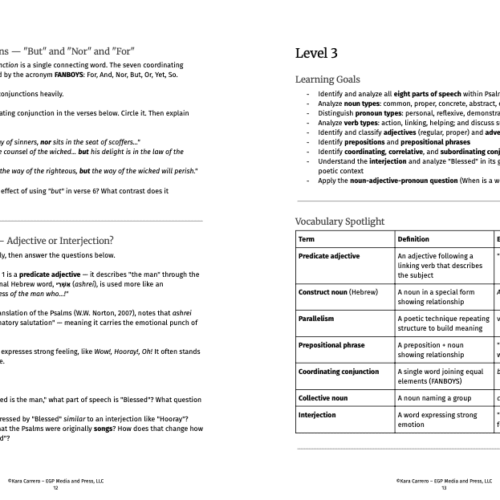
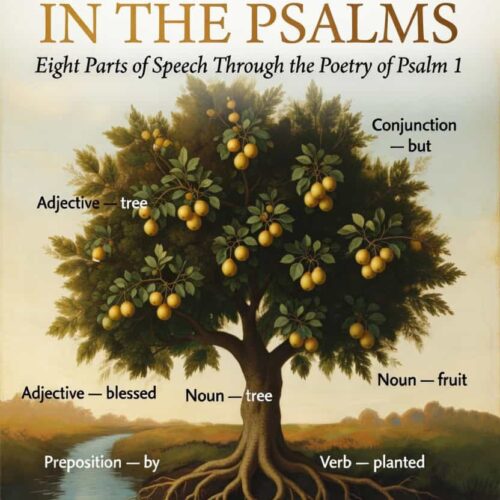
Grammar in the Psalms: Eight Parts of Speech Through Psalm 1 (Differentiated for Grades K-12)
Teach grammar through the beauty of ancient Hebrew poetry. This differentiated unit uses Psalm 1 to explore nouns, verbs, adjectives, and more across three levels, from elementary identification to high school literary analysis. Includes complete…
-
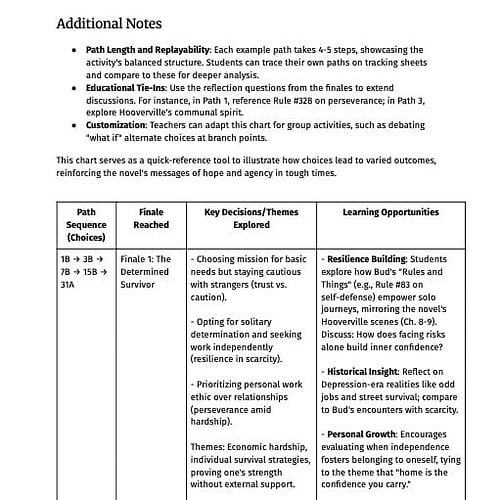
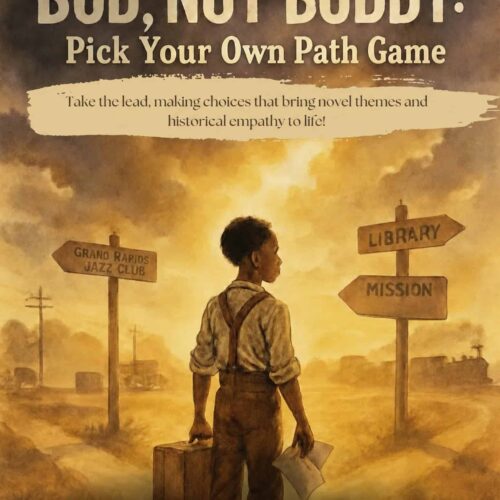
Bud, Not Buddy Pick Your Own Path Game to teach Great Depression Themes
Engage grades 4-7 with this interactive “Bud, Not Buddy” Pick Your Own Path Game PDF! Perfect for classroom or homeschool use, this 25-page resource includes 43 scenario cards, 3 finales, and reflection tools to explore Great…
-


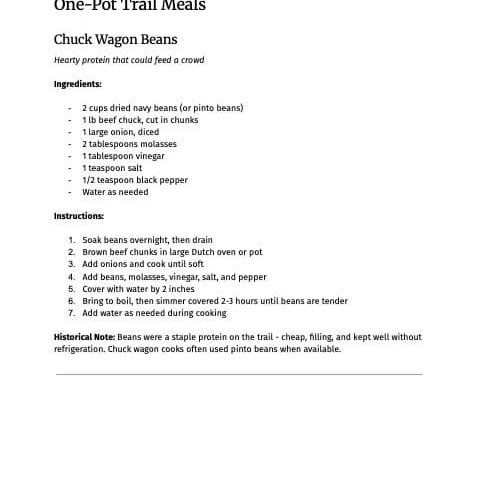
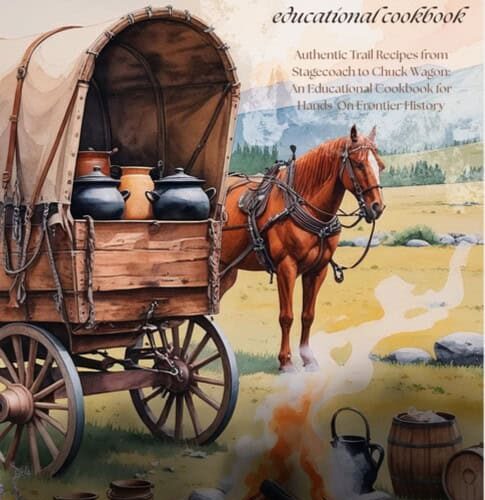
Westward Kitchen Educational Cookbook: Authentic Trail Recipes & Frontier History

DIGITAL PRODUCT REFUNDS
Digital products are not applicable for refunds. Any purchase of a digital product (audio, video, course, download, printable, etc.) is final because we cannot revoke your access to digital content.
PHYSICAL PRODUCT REFUNDS
- This is a multivendor marketplace. As such, each store owner maintains their own refund policy. When purchasing from one of our vendors, you should reach out to them directly to address product concerns. Each of our vendors has their contact information in their store profiles.
- Should you have an issue with a product, please email the store owner directly using the owner information found in their store.
- If you have a problem with an item and are not receiving an appropriate answer from a vendor, please contact our site at [email protected] to escalate the issue.
- Homeschool Resource Co. is not able to troubleshoot our vendor’s products as we do not own them. However, we can reach out to the store manager on your behalf.
Related products
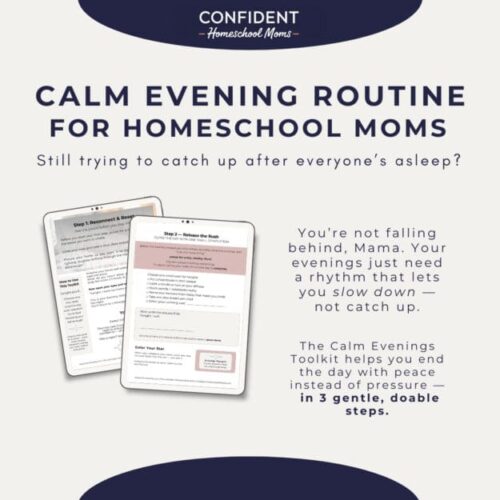
Calm Evenings Toolkit for Homeschool Moms
Feeling drained by the end of the day — and still trying to “catch up” after bedtime? You don’t need more productivity. You need rest that actually restores you. The Calm Evenings for Homeschool Moms…


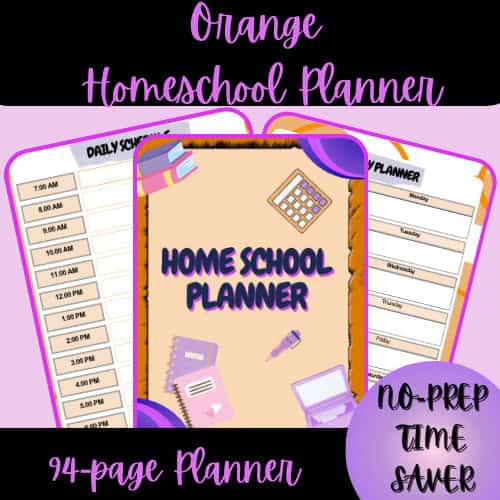
Orange Homeschool Planner (90+ pages)
The Orange Homeschool Planner offers 90+ printable pages including scheduling templates, lesson planners, student tracking, and goal-setting tools to organize your entire homeschool year while reducing planning stress and documenting educational progress.
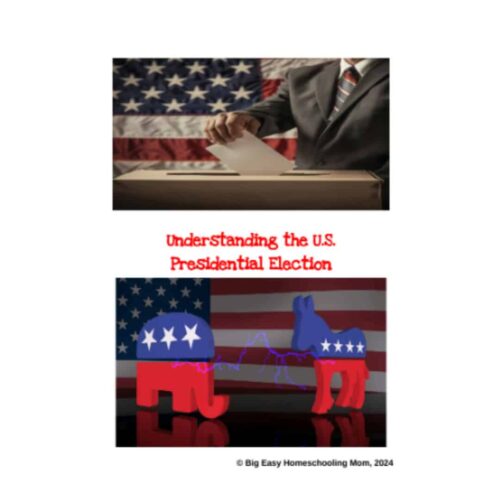
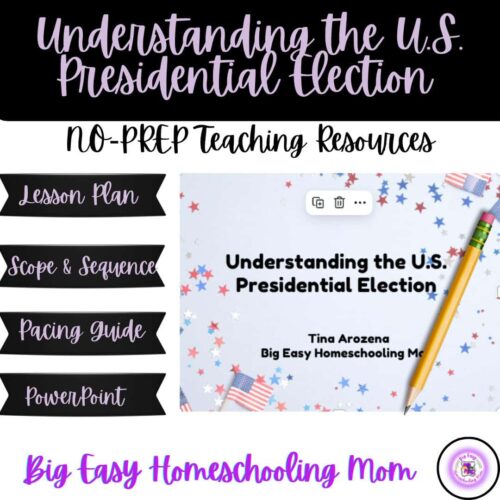
NO-PREP Teaching Resources Understanding the U.S. Presidential Election
Comprehensive 2-week detailed lesson plan, with a detailed two-week scope and sequence, and PowerPoint presentation NO-PREP Teaching Resources on Understanding the U.S. Presidential Election. Ideal for upper middle to high school students.
Resource List for Teaching Kids about Christ
These tools and resources are great ways to help wrap your children up in the Lord in all areas of their lives; worldview, education, friendships, discipleship, and more!


Blue Homeschool Planner (90+ pages)
The Blue Homeschool Planner offers 90+ printable pages including scheduling templates, lesson planners, student tracking, and goal-setting tools to organize your entire homeschool year while reducing planning stress and documenting educational progress.
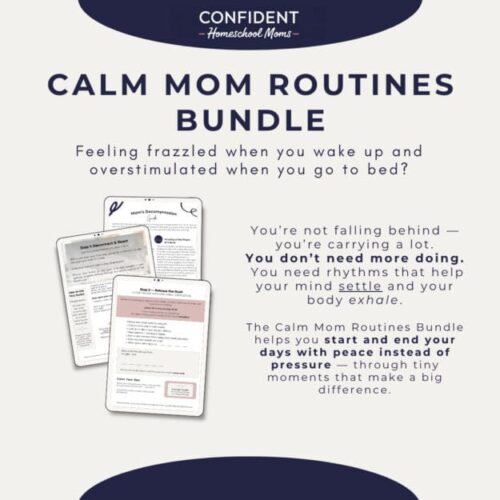
Calm Mom Routines Bundle for Homeschool Moms
Feeling frazzled when you wake up and overstimulated when you go to bed? You don’t need stricter routines or earlier alarms — you need tiny rhythms that help your nervous system feel safe again. The…


Green Homeschool Planner (90+ pages)
The Green Homeschool Planner offers 90+ printable pages including scheduling templates, lesson planners, student tracking, and goal-setting tools to organize your entire homeschool year while reducing planning stress and documenting educational progress.


How to be a Godly Homeschool Parent in an Ungodly World Guide
A Christ-centered homeschool parenting guide providing biblical foundations and practical strategies for integrating faith across all academic subjects while addressing the unique challenges of Christian home education.
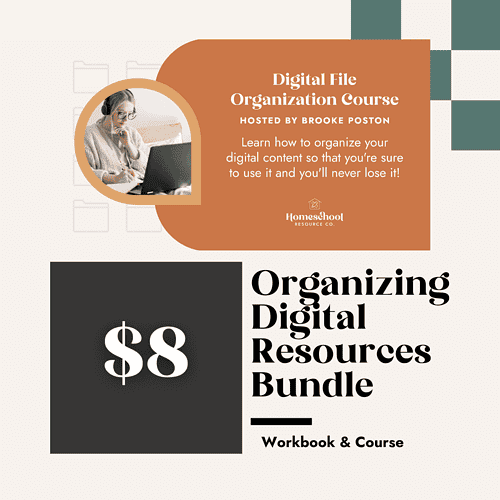
Organizing Digital Resources Bundle
Learn how to organize your digital resources to best utilize them in your homeschool. Bonus content includes how to use Google Classroom and Homeschool Planet for planning.
Reviews
There are no reviews yet.