❤️ Supporting homeschool families and individual content creators.


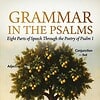
Grammar in the Psalms: Eight Parts of Speech Through Psalm 1 (Differentiated for Grades K-12)
$4.00
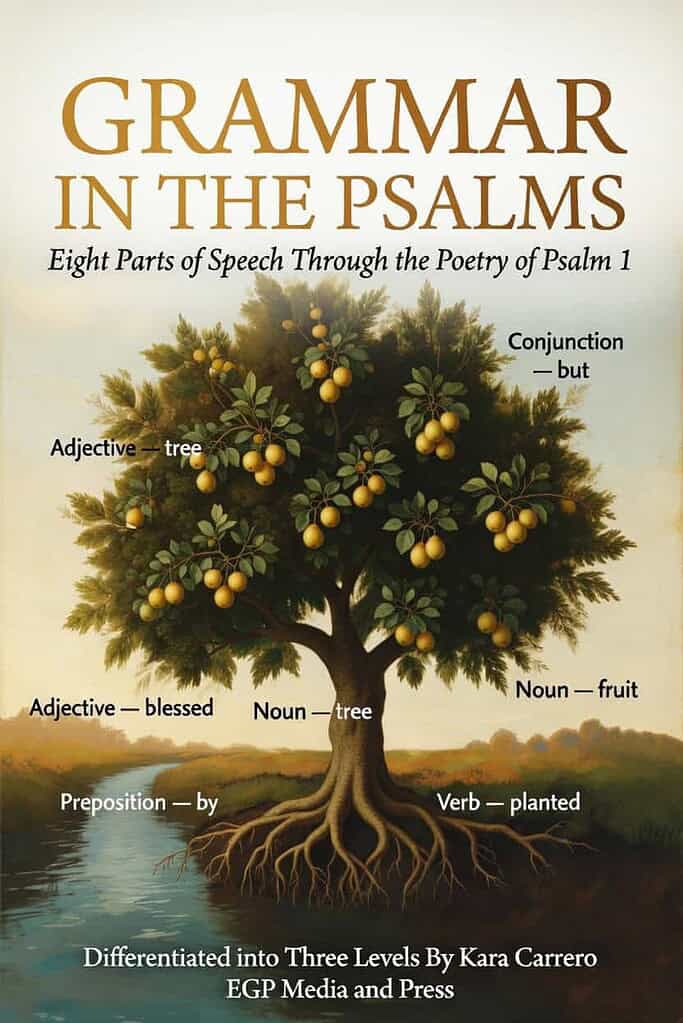
Teach grammar through the beauty of ancient Hebrew poetry. This differentiated unit uses Psalm 1 to explore nouns, verbs, adjectives, and more across three levels, from elementary identification to high school literary analysis. Includes complete answer key.
Page count: 36 pages
Highlights
- Grade
- Family Style, 1st, 2nd, 3rd, 4th, 5th, 6th, 7th, 8th, High School (9-12), Parent Product
- Homeschool Style
- Any Styles, Family Style, Charlotte Mason, Classical & Traditional, Eclectic, Montessori, Online, Virtual, & Subscription, Unit Study, Unschooling
- Parent Involvement
- Collaborative (Parent Guided)
- Product Format
- Digital Download
- Resource Type
- Core
- Worldview
- Christian Worldview
Description
What if grammar instruction felt less like drilling parts of speech and more like discovering the architecture of beautiful language?
Grammar in the Psalms takes students through all eight parts of speech using the rich, memorable text of Psalm 1. Instead of disconnected sentences from a workbook, your students will identify nouns, verbs, adjectives, adverbs, pronouns, prepositions, conjunctions, and interjections within a complete, meaningful poem, one that families have been reading and memorizing for thousands of years.
Three Differentiated Levels
This resource is designed for multi-age use, with activities progressing from foundational to advanced:
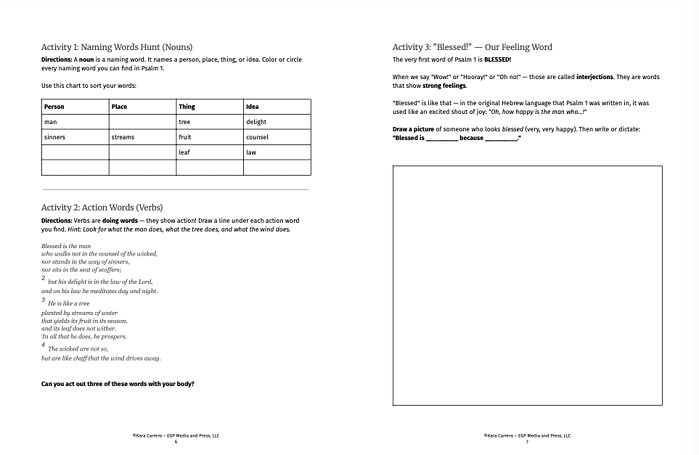
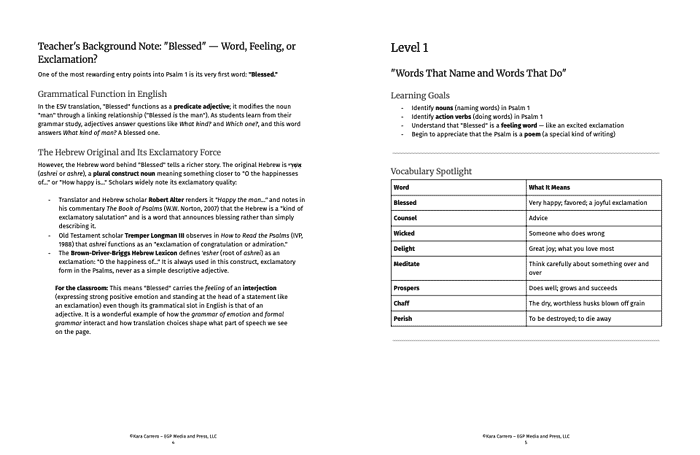
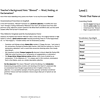
Level 1: “Words That Name and Words That Do” Young learners identify naming words (nouns) and action words (verbs), explore the feeling behind “Blessed,” and discover why the Psalm compares a good person to a tree planted by water. Perfect for introducing parts of speech in a concrete, visual way.
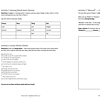
Level 2: “Eight Parts of Speech in Sacred Poetry” Middle schoolers sort nouns by type (common, proper, concrete, abstract, collective), distinguish action verbs from linking verbs, identify adjectives and conjunctions, and explore the unique grammar of “Blessed” as both adjective and exclamation. Students begin to see how grammar creates meaning.
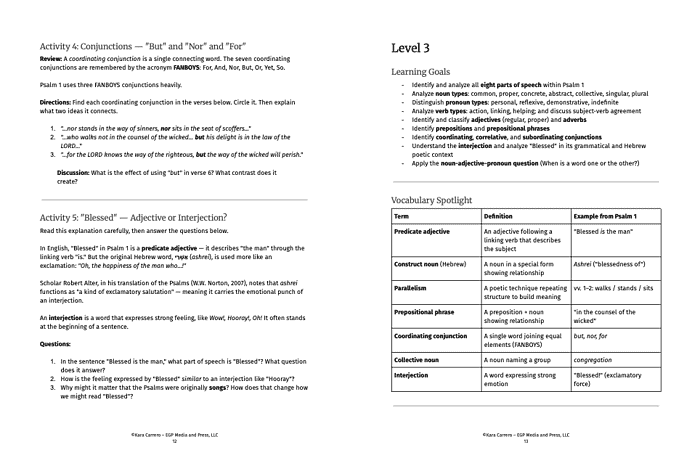
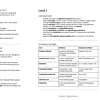
Level 3: “Advanced Grammar and Hebrew Poetic Context” High school students label every word in Psalm 1 by part of speech, analyze prepositional phrase structure, tackle the noun-adjective-pronoun question, and dive deep into the Hebrew origins of “Blessed” (ashrei) as an exclamatory construct noun. Includes written response options comparing grammar across translations, analyzing parallelism, and citing biblical scholars like Robert Alter and Tremper Longman III.
What’s Included
- Teacher background notes on the Hebrew word ashrei and its grammatical significance
- Complete vocabulary glossaries for each level
- Hands-on activities: noun sorts, verb identification, conjunction analysis, prepositional phrase diagramming
- Discussion prompts connecting grammar to meaning
- Drawing and acting exercises for kinesthetic learners
- High school-level written response options with scholarly citations
- Complete answer key with teaching notes for all three levels
- Parts of speech reference chart
Why This Works
Grammar taught in isolation rarely sticks. But when students encounter parts of speech within a text they can memorize, illustrate, and return to across years of learning, the grammar becomes part of how they see language everywhere. Psalm 1’s imagery (the tree, the chaff, the wind) makes abstract concepts like “abstract noun” suddenly concrete. Its parallelism (walks not / nor stands / nor sits) shows how grammar creates rhythm and emphasis. And its opening word, “Blessed,” becomes a case study in how translation, poetry, and grammar intersect.
This isn’t just parts of speech practice. It’s an invitation to see how language works at the deepest level, using a text that has shaped literature, law, and thought for millennia.
Perfect for:
- Homeschool families teaching multiple ages together
- Classical and Charlotte Mason educators integrating grammar with great texts
- Teachers looking for literature-rich grammar instruction
- Families who want grammar lessons rooted in meaningful content
What You’ll Need: Just this printable PDF and a Bible (ESV translation used, though others work with minor adjustments). No additional purchases required.
Additional information
| Grade | Family Style, 1st, 2nd, 3rd, 4th, 5th, 6th, 7th, 8th, High School (9-12), Parent Product |
|---|---|
| Homeschool Style | Any Styles, Family Style, Charlotte Mason, Classical & Traditional, Eclectic, Montessori, Online, Virtual, & Subscription, Unit Study, Unschooling |
| Parent Involvement | |
| Product Format | |
| Resource Type | |
| Worldview |
Only logged in customers who have purchased this product may leave a review.
Vendor Information
- Store Name: EGP Media and Press
- Vendor: EGP Media and Press
- No ratings found yet!
-

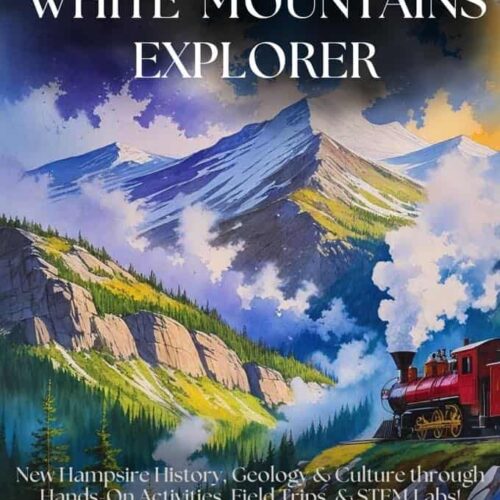
White Mountains Explorer: New Hampshire History, STEM Labs, and Mini Unit Study
Explore the White Mountains of New Hampshire through this immersive 5–7 day (can be easily expanded) mini unit packed with STEM labs, virtual hikes, and hands-on projects. Perfect for homeschoolers, classrooms, or families, this flexible…
-
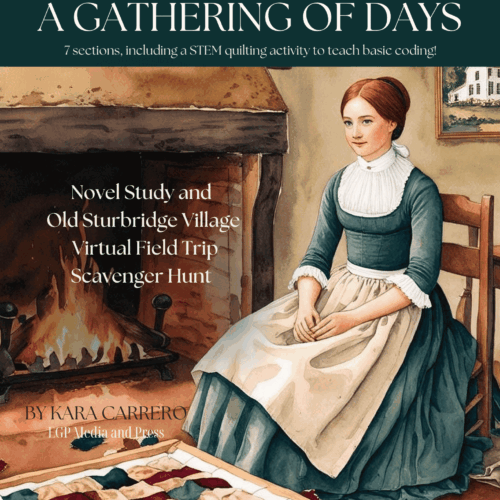
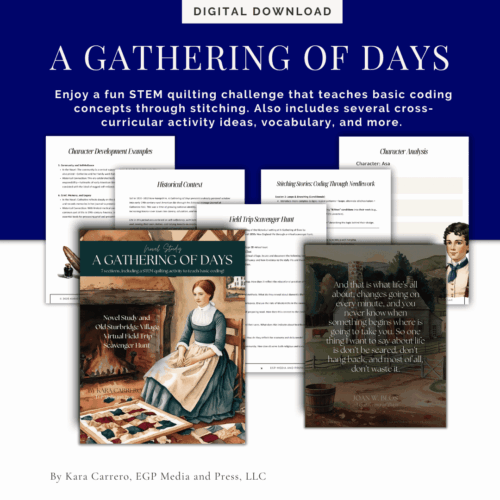
A Gathering of Days Novel Study + Virtual Old Sturbridge Village Scavenger Hunt
Perfect For: Homeschoolers studying early America or textile arts Teachers pairing literature with women’s history Scouting clubs exploring coding and textile arts Format: Printable PDF | Grade Level: 3-12 More Than a Book—A Thread to…
-

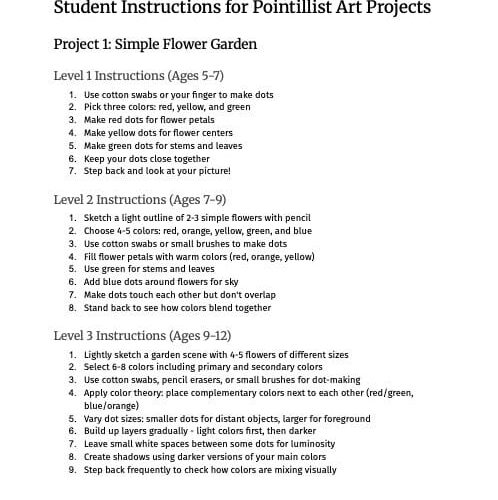
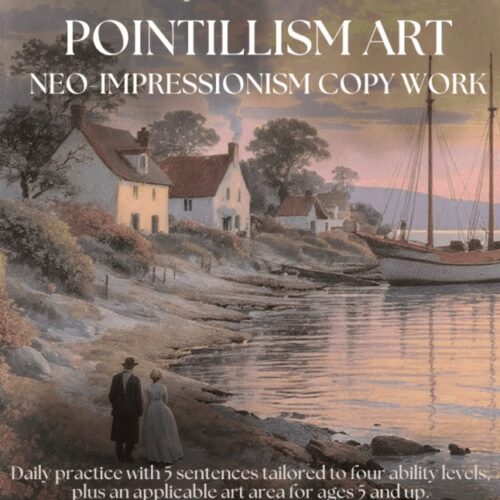
Pointillism Neo-Impressionist Art Copywork Pack
Explore Pointillism and Neo-Impressionism with this five-day copywork pack for ages 5+. Includes leveled handwriting sentences on art history, step-by-step instructions for two differentiated art projects (flower garden and sunny landscape), four dot-coloring pages, and…
-
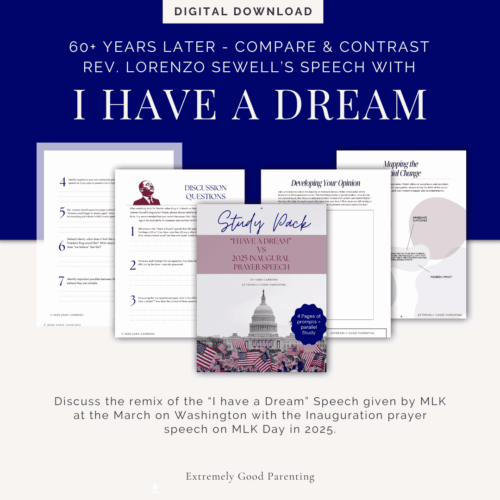
“I Have a Dream” speech Rhetorical Analysis And Comparision With Rev Lorenzo Sewell’s Inaugural Prayer
Use Rhetorical Analysis to compare and contrast the iconic “I have a Dream” Speech with Rev. Lorenzo Sewell’s remix of it during the Trump Inauguration of 2025.
-
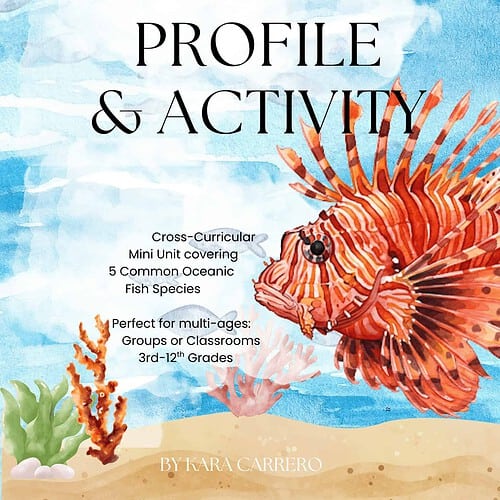
Red Lionfish Educational Activity Pack
This activity pack also has videos and other resources available at Diving into Danger! Exploring Invasive Fish with Kids. There you can explore all of the ways we learned about the Red Lionfish and Invasive Species!
-
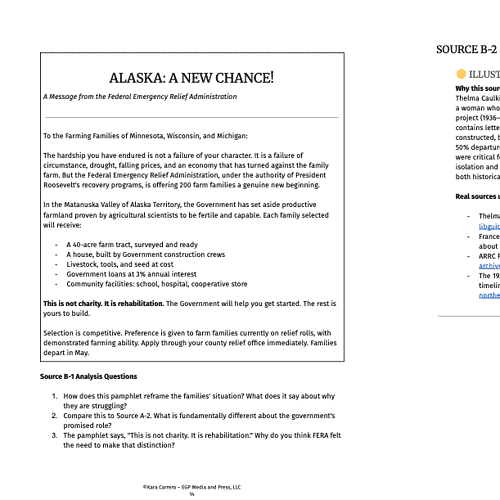
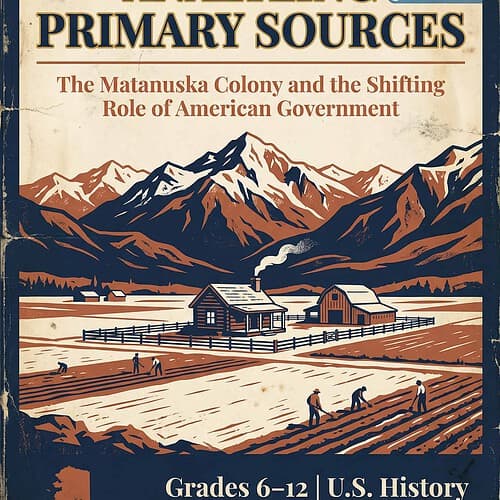
Analyzing Primary Sources: Alaska’s Matanuska Colony & U.S. Government
A 26-page primary source analysis unit exploring how the 1935 Matanuska Colony reflects the shifting role of American government, from Homestead-era individualism to New Deal federal intervention. Includes real, composite, and illustrative sources, each clearly…

DIGITAL PRODUCT REFUNDS
Digital products are not applicable for refunds. Any purchase of a digital product (audio, video, course, download, printable, etc.) is final because we cannot revoke your access to digital content.
PHYSICAL PRODUCT REFUNDS
- This is a multivendor marketplace. As such, each store owner maintains their own refund policy. When purchasing from one of our vendors, you should reach out to them directly to address product concerns. Each of our vendors has their contact information in their store profiles.
- Should you have an issue with a product, please email the store owner directly using the owner information found in their store.
- If you have a problem with an item and are not receiving an appropriate answer from a vendor, please contact our site at [email protected] to escalate the issue.
- Homeschool Resource Co. is not able to troubleshoot our vendor’s products as we do not own them. However, we can reach out to the store manager on your behalf.
Related products
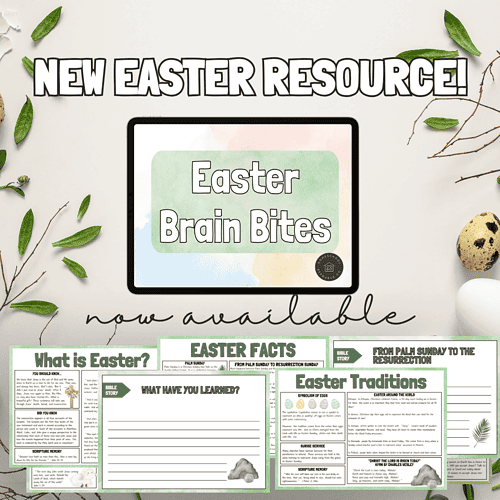
Brain Bites Placemats: Learn About Easter for Elementary Kids
The Brain Bites Placemats: Learn About Easter for Elementary Kids is a great way to introduce and cultivate a Christ-centered Easter celebration with your family.
Kids Bible Story Checklist
Not sure where to start when introducing your kids to Bible stories/characters? Stuck on the same Bible stories and aren’t sure where to go next? Try this Bible Story Checklist for Kids! It includes 60…
How to Study Your Bible for Kids
How to Study Your Bible for Kids will give your children the desire to study their Bibles and the confidence to do so by learning about different Bible study methods.
Build Your Own Nature Study
Build Your Own Nature Study will inspire you and provide you with the tools and resources to create your very own nature study adventures. By delving into the wonders of the natural world, your children…
Palm Sunday Study for Elementary Kids
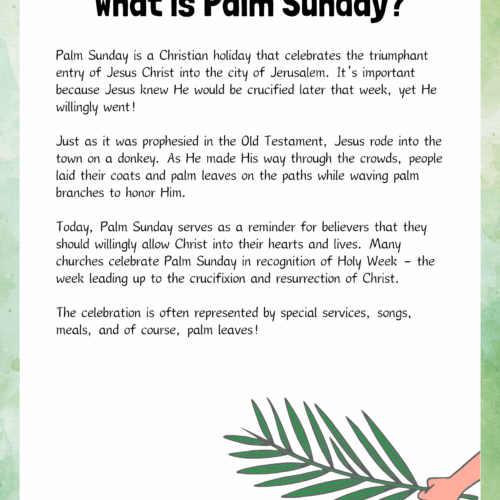
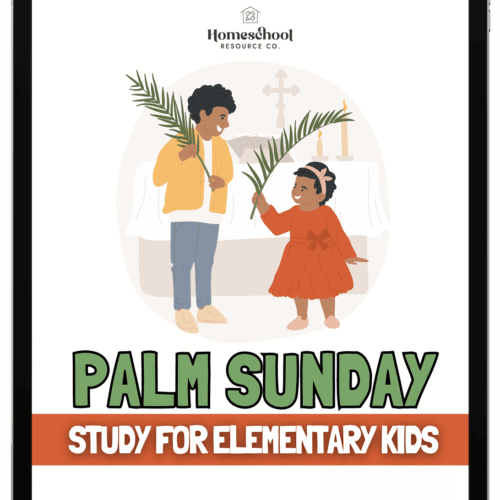
Dive into Holy Week with your elementary kids with our Palm Sunday Study! An 18-page study with Bible study materials, videos, object lessons and songs.
Ultimate Bible Study Guides Bundle for Kids
The Ultimate Bible Study Guides Bundle includes 5 different studies to help encourage your kids to study their Bible. Use them individually, or combine them to make your own study!
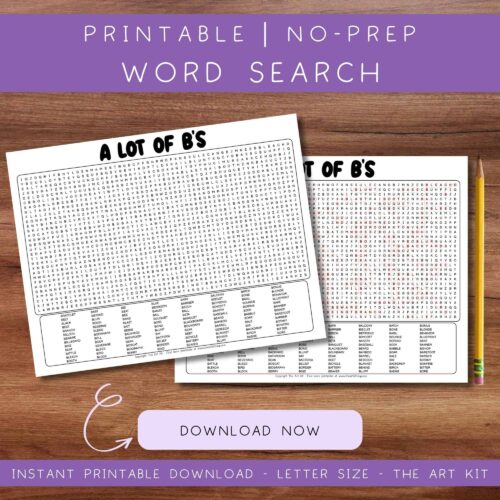
Word Search PDF, Letter B Printable, Vocabulary Activities, Word Find Games
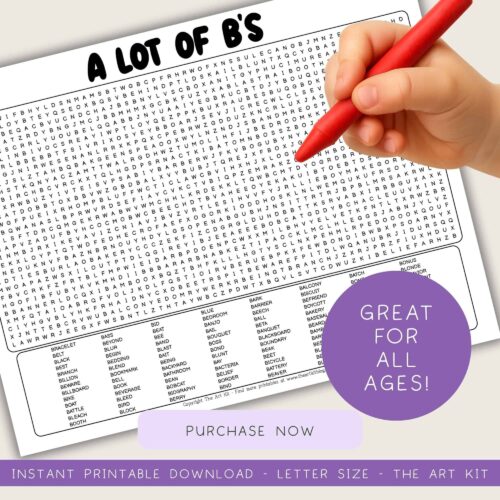
Kids love these Printable Letter B Word Searches! 📄 Instant Download | Printable Letter B Word Search Looking for a fun and educational activity for kids? This 104-word B-word word search is packed with words…

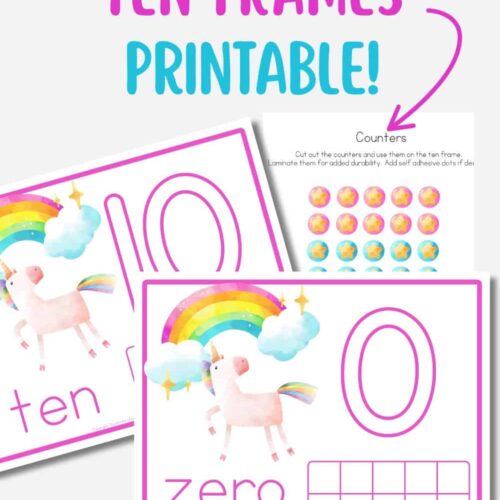
Unicorn Rainbow Ten Frame Printable – Counting Math Activity with Counters for Kids, Preschool & Homeschool Number Practice
Make math fun with this Unicorn Rainbow Ten Frame! 🦄🌈 Perfect for preschoolers, kindergarteners, and early elementary kids, this printable counting activity helps little learners practice numbers, subitizing, and one-to-one correspondence… all while having fun…
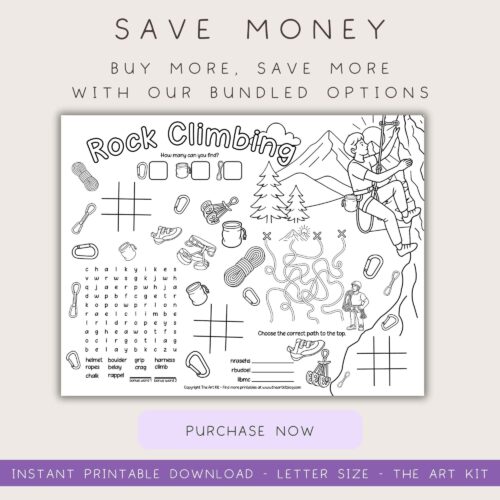
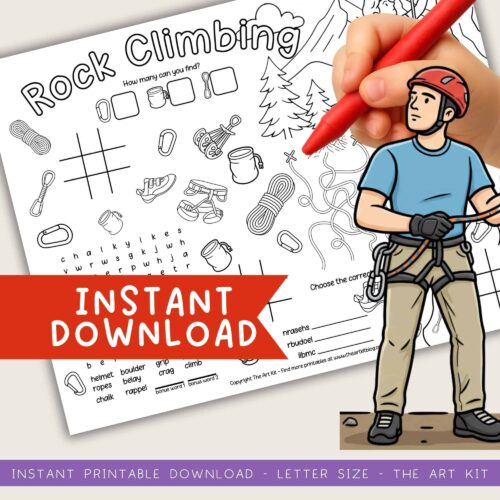
Rock Climbing Activity Sheet – Printable Placemat – Kids Coloring Page – Digital Download
Kids love these rock climbing placemat activity pages! Introducing our Rock Climbing Placemat Activity Printable, perfect for kids of all ages. This digital download features a variety of engaging resources. These instant download activities provide…
Reviews
There are no reviews yet.