❤ Supporting homeschool families and independent creators.

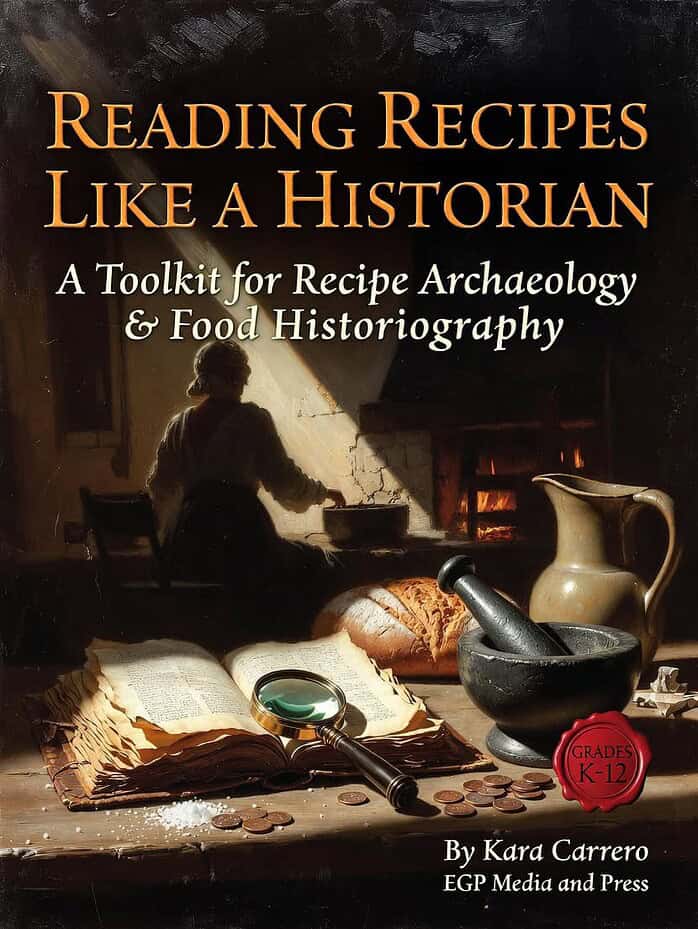
Reading Recipes Like a Historian: Recipe Archaeology and Food Historiography
$21.00
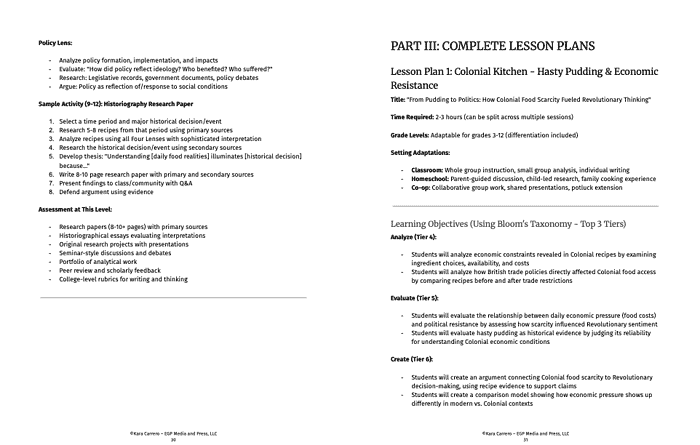
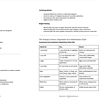
Teach sophisticated historical thinking through food historiography! This 106-page toolkit shows students grades K-12 how to analyze historical recipes as primary sources revealing economic pressure, daily realities, and the context behind historical decisions.
Includes complete theoretical framework, two ready-to-teach…
Teach sophisticated historical thinking through food historiography! This 106-page toolkit shows students grades K-12 how to analyze historical recipes as primary sources revealing economic pressure, daily realities, and the context behind historical decisions.
Includes complete theoretical framework, two ready-to-teach lesson plans (Colonial & Great Depression), grade-level adaptations K-12, student worksheets, assessment rubrics, and flexible implementation for classrooms, homeschools, and co-ops. Uses the Four Lenses framework (Economic, Technological, Social/Cultural, Policy) to develop critical thinking, primary source analysis, and evidence-based argumentation.
Description
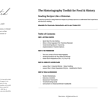
The Historiography Toolkit for Food & History: Reading Recipes Like a Historian
Transform how your students understand history by teaching them to read recipes as primary source documents that reveal the lived experiences, economic pressures, and daily realities that shaped historical decision-making.
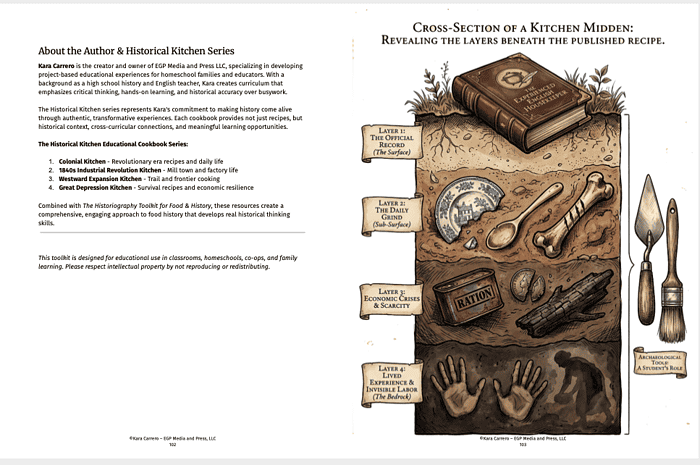
This comprehensive 102-page toolkit teaches sophisticated historical thinking skills through an accessible, hands-on approach that works for grades K-12 in classrooms, homeschools, and co-ops. Using the innovative Four Lenses framework (Economic, Technological, Social/Cultural, and Policy), students learn to analyze historical recipes to understand what life was actually like and not just what happened, but why people made the decisions they did.
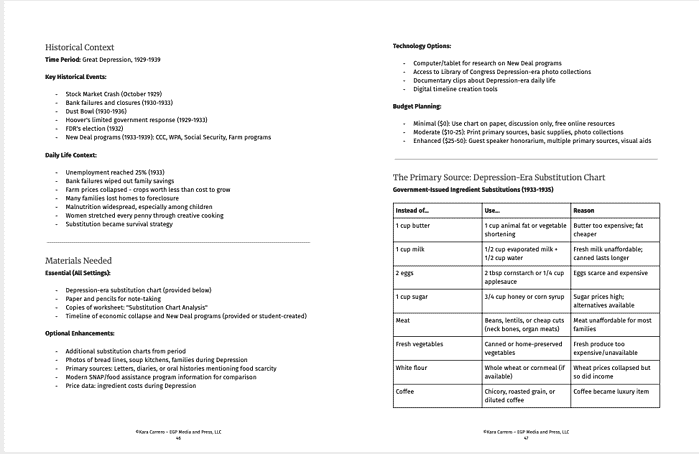
What Makes This Different: Unlike traditional history teaching that focuses on dates and battles, this toolkit uses food historiography to illuminate the daily stresses, time constraints, economic pressures, and physical realities that most people faced. When students understand that Colonial families spent hours cooking over open fires, or that Depression-era families couldn’t afford eggs and milk, historical events suddenly make visceral sense.
What’s Included:
- Complete theoretical framework for food historiography (with practical explanations for non-historians)
- Four Lenses analytical system that works with ANY historical recipe
- Grade-band adaptations for K-2, 3-5, 6-8, and 9-12
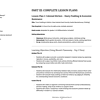
- Two complete, ready-to-teach lesson plans with all materials (Colonial Hasty Pudding & Great Depression Substitution Charts)
- Five ready-to-use student worksheets for recipe analysis
- Multiple implementation timelines (1 week to full year)
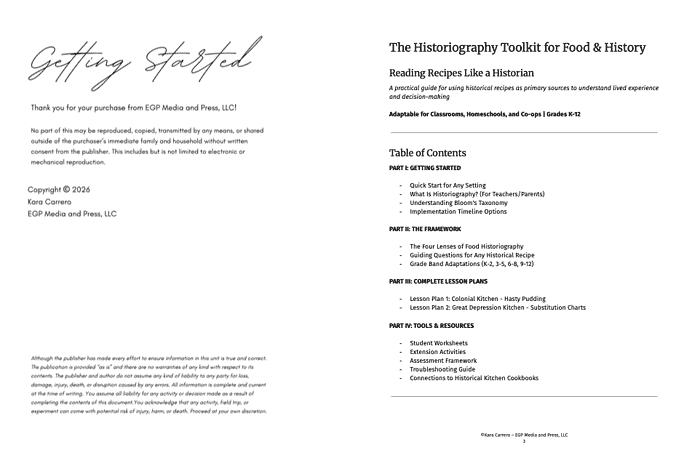
- Extension activities including Recipe Archaeology, Historical Decision Debates, and Modern Parallels
- Assessment framework with rubrics for essays, projects, and portfolios
- Troubleshooting guide for common challenges
- Integration guide for Historical Kitchen cookbook series
- Adaptations for classroom (25-30 students), homeschool (1-4+ students), and co-op (8-20 students) settings
Skills Students Develop:
- Primary source analysis and evidence-based argumentation
- Historical thinking and contextual reasoning
- Multiple perspective analysis and historical empathy
- Critical thinking at Bloom’s Taxonomy highest levels (Analyze, Evaluate, Create)
- Cross-curricular connections between history, economics, technology, and social studies
Perfect For:
- Homeschool families seeking Charlotte Mason-style living history approaches
- History teachers wanting to move beyond textbook teaching
- Co-op classes building critical thinking skills
- Educators integrating project-based learning
- Anyone studying Colonial America, Industrial Revolution, Westward Expansion, or Great Depression
- Families using the Historical Kitchen educational cookbook series
Flexible Implementation: Choose your approach based on time and goals—from a quick 1-week introduction (2-3 hours total) to a comprehensive semester-long exploration. Works standalone or integrated with existing curriculum.
This isn’t just about food history; it’s about teaching students to DO history the way historians do, asking “How do we know?” and “What does this evidence reveal?” These are sophisticated academic skills made accessible through the universal experience of food.
Includes connections to:
- Charlotte Mason methodology and living literature principles
- Project-based learning frameworks
- Common Core and state history standards
- Cross-curricular integration (reading, writing, math, science, social studies)
Perfect companion to the Historical Kitchen cookbook series (Colonial Kitchen, 1840s Industrial Revolution Kitchen, Westward Expansion Kitchen, Great Depression Kitchen) or use with any historical recipes from any source.
Additional information
| Grade | Family Style, Kindergarten, 1st, 2nd, 3rd, 4th, 5th, 6th, 7th, 8th, High School (9-12), Parent Product |
|---|---|
| Homeschool Style | Any Styles, Family Style, Charlotte Mason, Classical & Traditional, Eclectic, Montessori, Unit Study, Unschooling |
| Parent Involvement | |
| Product Format | |
| Resource Type | |
| Worldview |
Only logged in customers who have purchased this product may leave a review.
Vendor Information
- Store Name: EGP Media and Press
- Vendor: EGP Media and Press
- No ratings found yet!
-

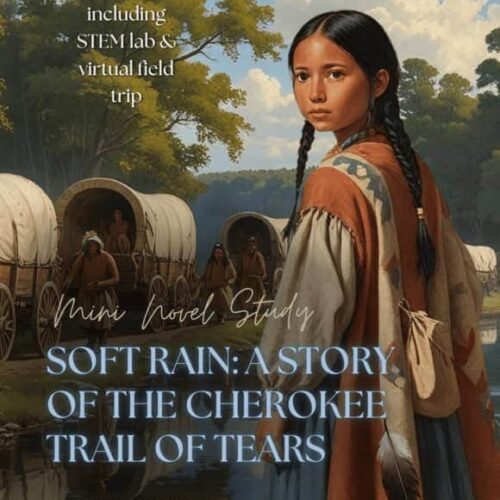
Soft Rain: A Story of the Cherokee Trail of Tears Mini Novel Study & STEM Lab

-
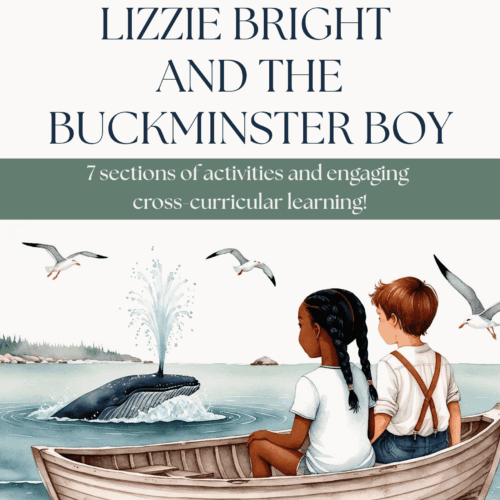
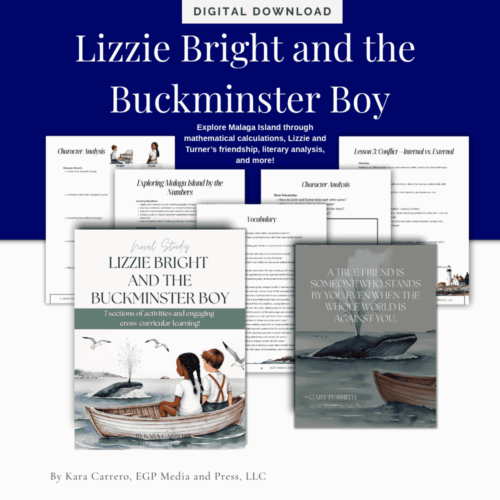
Lizzie Bright and the Buckminster Boy Novel Study
Why This Study Stands Out: ✅ Based on True Injustice – Connects to the 1912 eviction of Malaga Island’s Black community ✅ Ethics Meets STEM – Debate historical decisions while also mapping whale migrations ✅…
-
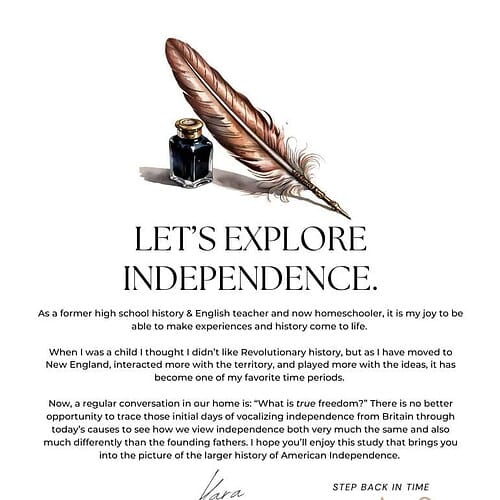
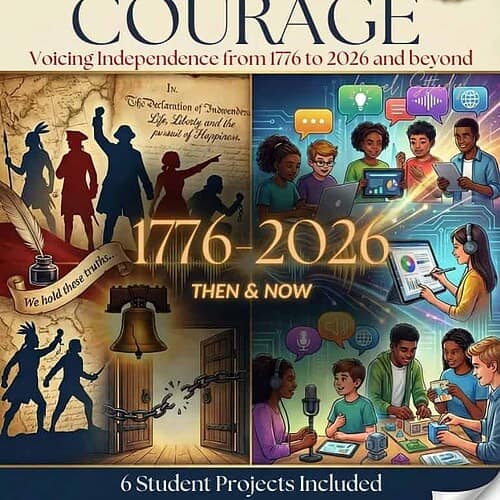
Revolutionary Courage: Voicing Independence from 1776 to 2026 and Beyond
Celebrate America’s 250th with this complete K-12 Revolutionary War project-based curriculum. Six differentiated student-choice projects explore courage and independence from 1776 to 2026 using primary sources and virtual field trips. Includes teacher guide with 12…
-
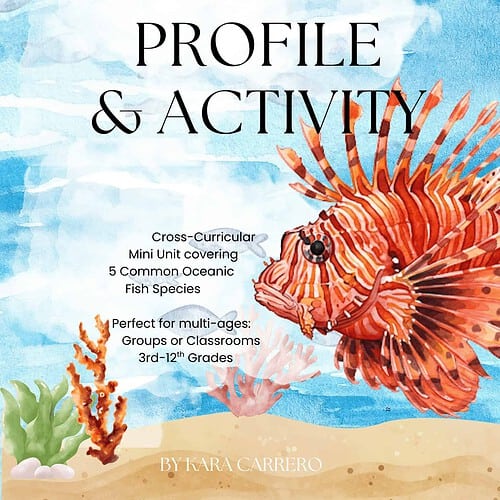
Red Lionfish Educational Activity Pack
This activity pack also has videos and other resources available at Diving into Danger! Exploring Invasive Fish with Kids. There you can explore all of the ways we learned about the Red Lionfish and Invasive Species!
-
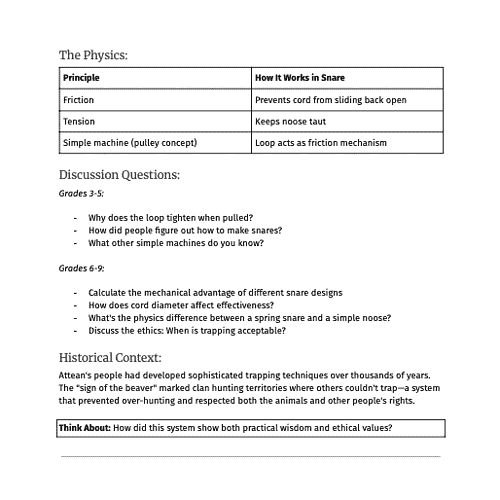
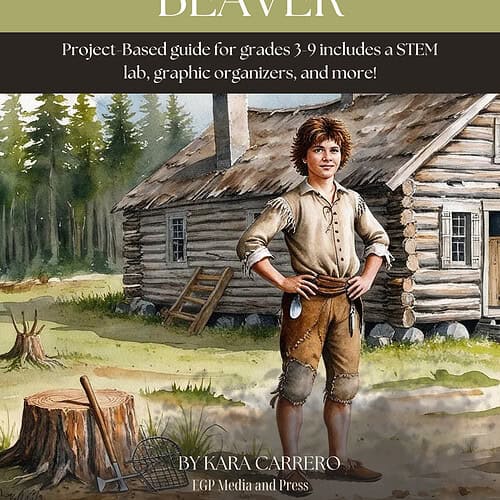
The Sign of the Beaver | Mini Project-Based Novel Study with Character Tracker
One to Three Sessions. Real learning. Transform a single afternoon into meaningful exploration of frontier friendship. Students analyze gift exchanges, research traditional plants, and build model snares to understand survival physics. What’s Included: 3 complete…
-


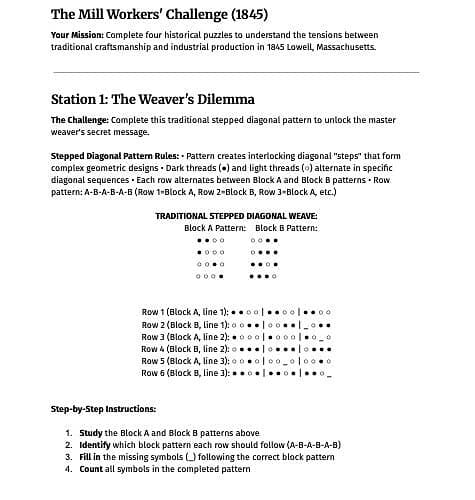
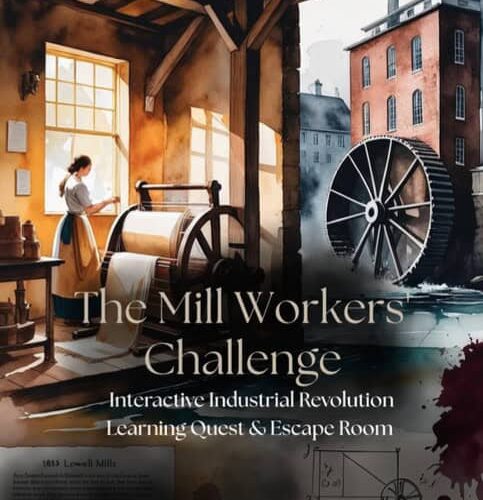
Mill Workers’ Challenge: Interactive Industrial Revolution Escape Room & Learning Quest
DIGITAL PRODUCT REFUNDS
Digital products are not applicable for refunds. Any purchase of a digital product (audio, video, course, download, printable, etc.) is final because we cannot revoke your access to digital content.
PHYSICAL PRODUCT REFUNDS
- This is a multivendor marketplace. As such, each store owner maintains their own refund policy. When purchasing from one of our vendors, you should reach out to them directly to address product concerns. Each of our vendors has their contact information in their store profiles.
- Should you have an issue with a product, please email the store owner directly using the owner information found in their store.
- If you have a problem with an item and are not receiving an appropriate answer from a vendor, please contact our site at [email protected] to escalate the issue.
- Homeschool Resource Co. is not able to troubleshoot our vendor’s products as we do not own them. However, we can reach out to the store manager on your behalf.
Related products
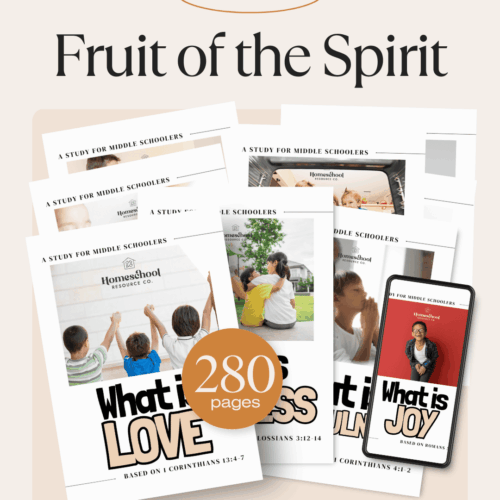
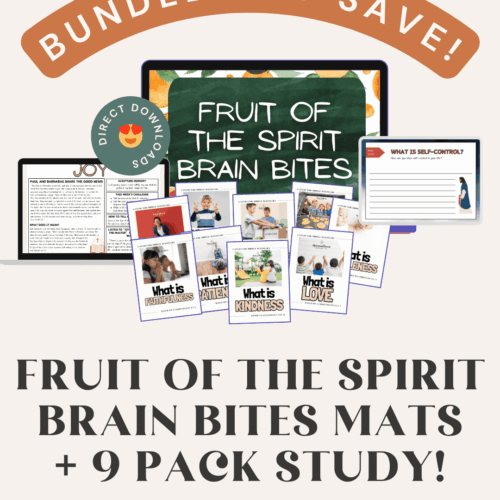
Fruit of the Spirit Bundle
Introducing the Fruit of the Spirit Bible Study Bundle, a comprehensive and engaging, 300-page Bible study designed specifically for middle schoolers and upper elementary kids.
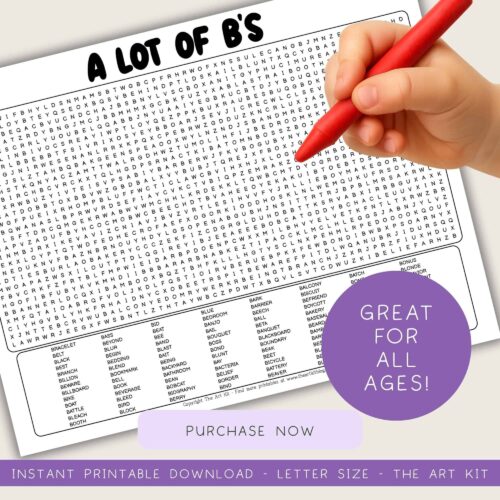
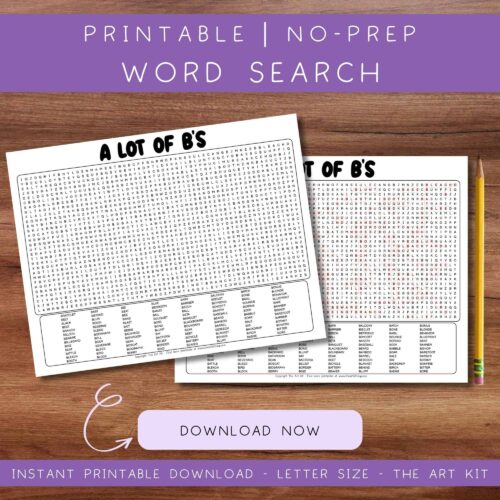
Word Search PDF, Letter B Printable, Vocabulary Activities, Word Find Games
Kids love these Printable Letter B Word Searches! 📄 Instant Download | Printable Letter B Word Search Looking for a fun and educational activity for kids? This 104-word B-word word search is packed with words…
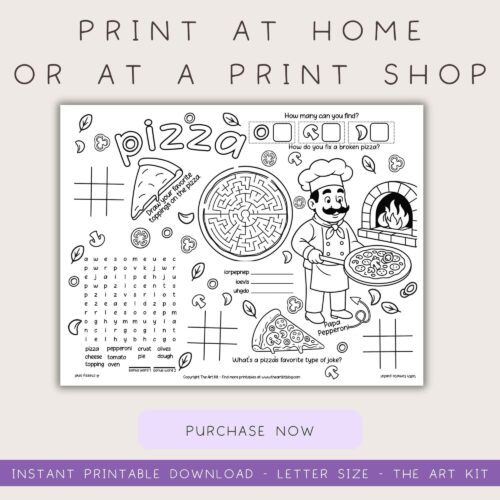
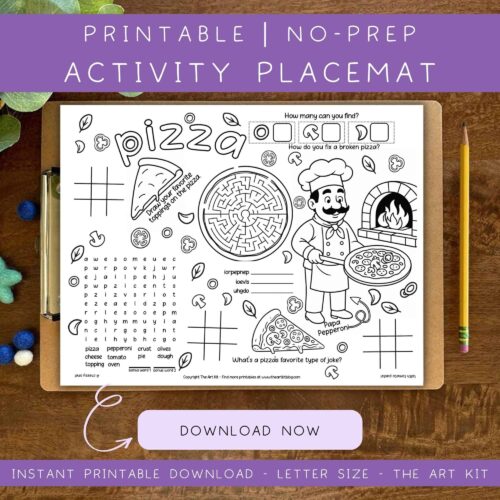
Pizza Placemat for Kids, Printable Restaurant Activity, Pizza Party Activity, No Prep Activity, Pizza Birthday Party, Digital Download
Kids love these pizza placemat activity pages! 🍕 Introducing our printable pizza activity placement for kids, the perfect addition to keep young diners entertained while they wait for their meals! This one page download is…

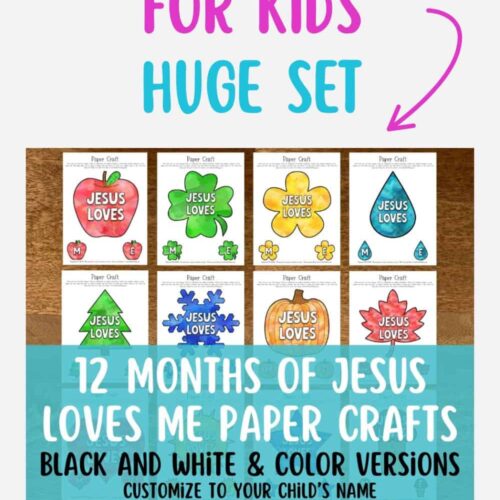
12 Months Jesus Loves Me Paper Crafts, CUSTOMIZE to child’s name! Coloring Page and Colored Version, PDF, Sunday School Printable, Preschool
The Art Kit’s “12 Months of Jesus Loves Me Paper Crafts” is a great way to remind your child that Jesus loves them! Create personalized mobiles with your child’s name or simply use the letters…
How to Study Your Bible for Kids
How to Study Your Bible for Kids will give your children the desire to study their Bibles and the confidence to do so by learning about different Bible study methods.
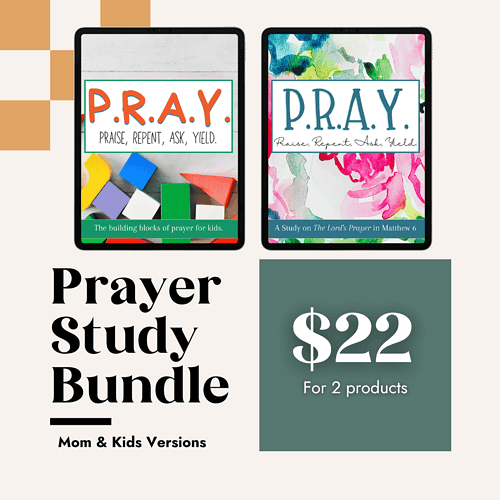
P.R.A.Y. Study Bundle
When should we pray? How should we pray? Why do we pray? Answer these questions, and so many more, through this prayer study bundle for adults with a companion study for Kids.
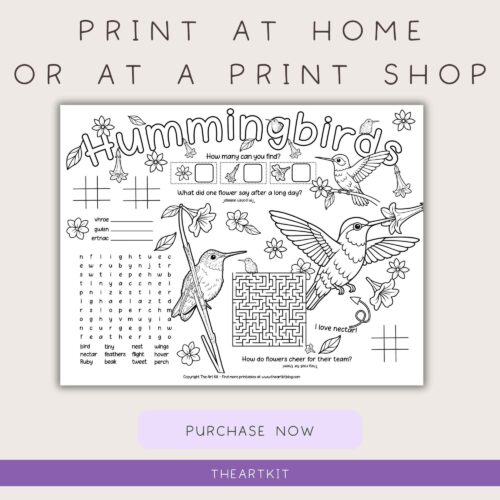
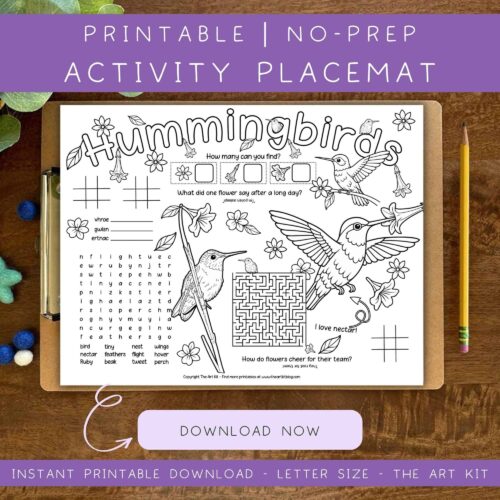
Hummingbird Placemat, Activity Placemat, Printable Nature Activity, Hummingbird Coloring Sheet, Teacher Resources, Homeschool Activity
Make learning about hummingbirds fun with this hummingbird activity placemat! 🐦🎉 This printable hummingbird activity placemat is great for kids! You can use it at home, at restaurants, on a road trip, and more. It’s…
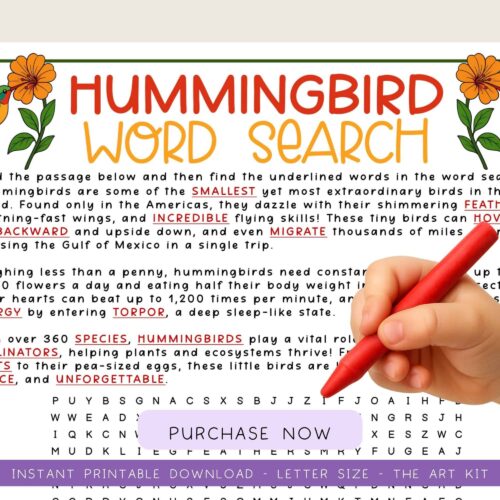
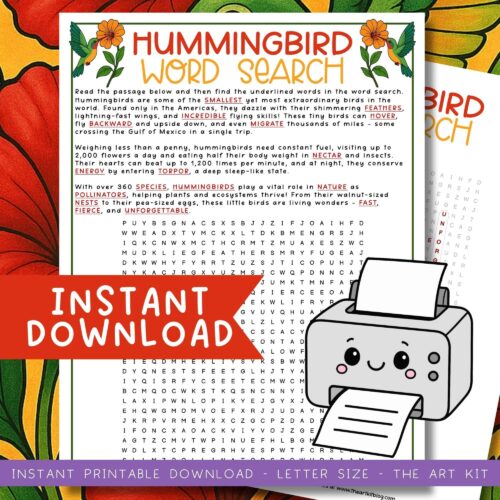
Word Search PDF, Hummingbird Printable, Vocabulary Activities, Word Find Games
Kids love these Printable Hummingbird Word Searches with Fun Facts! 📄 Instant Download | Printable Hummingbird Word Search Looking for a fun and educational activity for kids? This hummingbird word search includes interesting facts and…
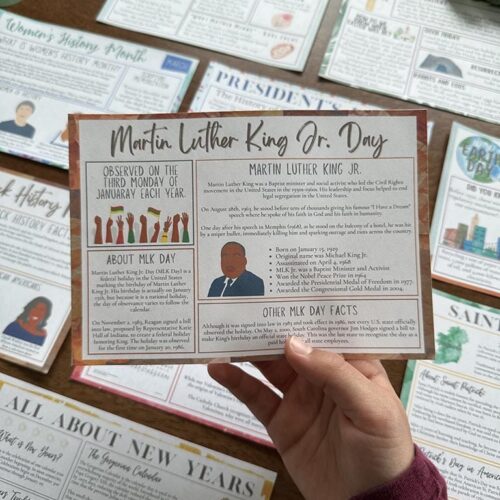
Celebration & Holiday Brain Bites
The Celebration and Holiday Brain Bites includes 21 pages of educational placemats that cover at least one holiday in each month of the year to learn in your homeschool.
Reviews
There are no reviews yet.