❤️ Supporting homeschool families and individual content creators.


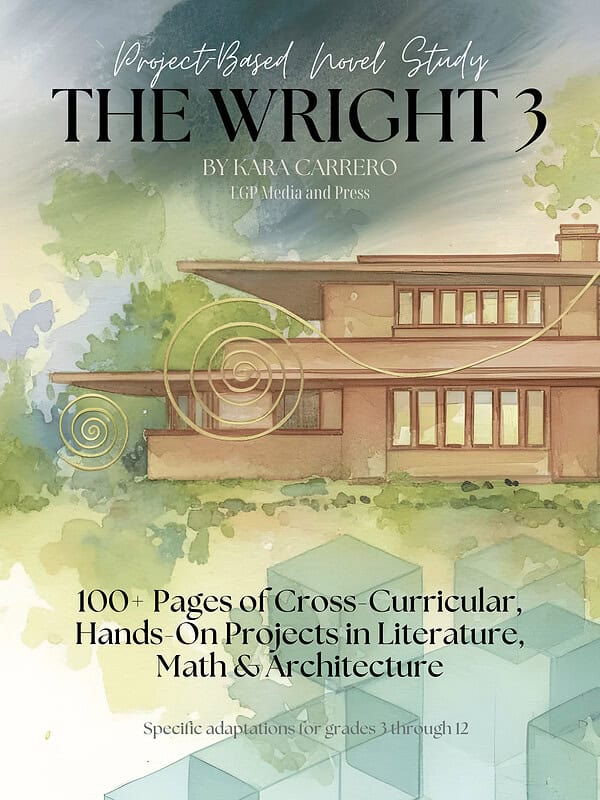
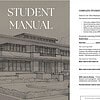
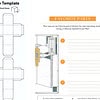
The Wright 3 Novel Study | Frank Lloyd Wright Architecture Projects | Fibonacci Math STEAM Activities
$21.00
Complete project-based novel study transforming “The Wright 3” into hands-on exploration of Frank Lloyd Wright architecture, Fibonacci mathematics, and philosophical thinking.
126 pages include building projects, virtual field trips, differentiated activities for ages 8-18, and comprehensive teacher resources.…
Complete project-based novel study transforming “The Wright 3” into hands-on exploration of Frank Lloyd Wright architecture, Fibonacci mathematics, and philosophical thinking.
126 pages include building projects, virtual field trips, differentiated activities for ages 8-18, and comprehensive teacher resources. No comprehension questions, just pure authentic learning through creation, investigation, and real-world application. Ready for homeschool, co-op, or classroom implementation.
Page count: 126 pages
Highlights
- Grade
- Family Style, 3rd, 4th, 5th, 6th, 7th, 8th, High School (9-12), Parent Product
- Homeschool Style
- Any Styles, Family Style, Charlotte Mason, Classical & Traditional, Eclectic, Montessori, Unit Study, Unschooling
- Parent Involvement
- Collaborative (Parent Guided), Self-Led for Students
- Product Format
- Digital Download
- Resource Type
- Core, Supplemental
- Worldview
- Neutral Worldview
Description
Art, Architecture & Identity: A Complete Project-Based Novel Study for “The Wright 3” by Blue Balliett
Transform literature education into hands-on exploration of art, architecture, philosophy, and mathematics with this comprehensive 100+ page interdisciplinary curriculum. Unlike traditional novel studies focused on reading comprehension questions, this innovative resource engages students in authentic investigation and creation projects that bring Blue Balliett’s architectural mystery to life.
What Makes This Different: Students don’t just read about pentomino puzzles and Frank Lloyd Wright’s architecture—they build, design, and philosophically investigate these concepts themselves. Through hands-on projects, learners explore the Fibonacci sequence in architectural proportions, investigate the golden ratio in famous buildings, construct models to understand spatial relationships, and grapple with real philosophical questions about art preservation and authenticity.
Complete Implementation Flexibility:
- Multiple timeline options: 2-week intensive, 4-5 week standard, or 8-10 week extended implementation
- Four activity levels: Core Activities (essential), Enrichment Activities (STEM connections), Extension Activities (independent research), and Family/Community Connections (real-world application)
- Age-differentiated projects: Scaffolded activities for ages 8-18, from simple hands-on building to sophisticated architectural design challenges
Core Learning Experiences Include:
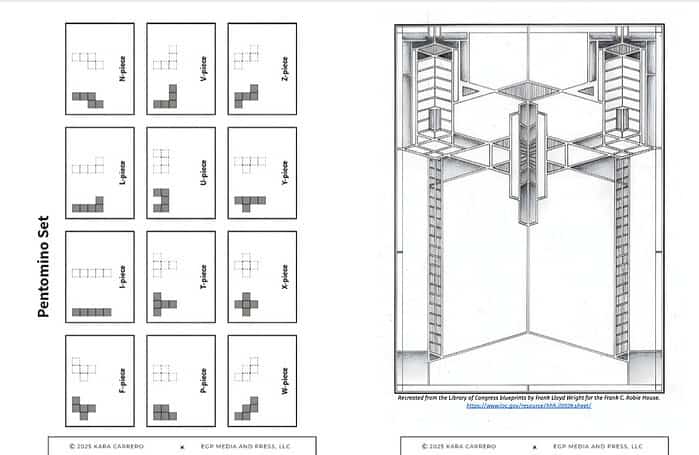
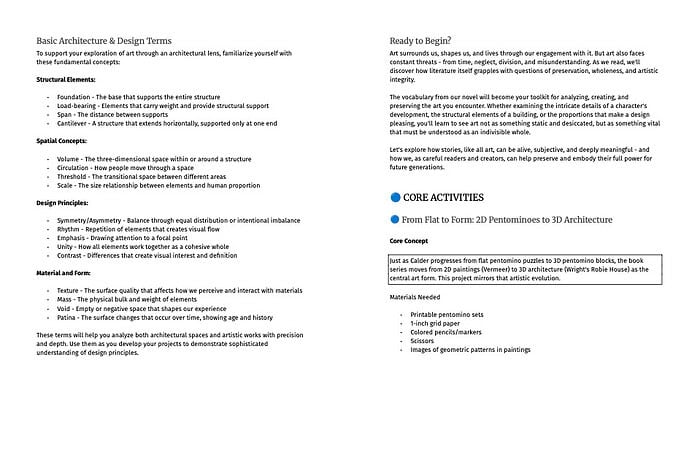
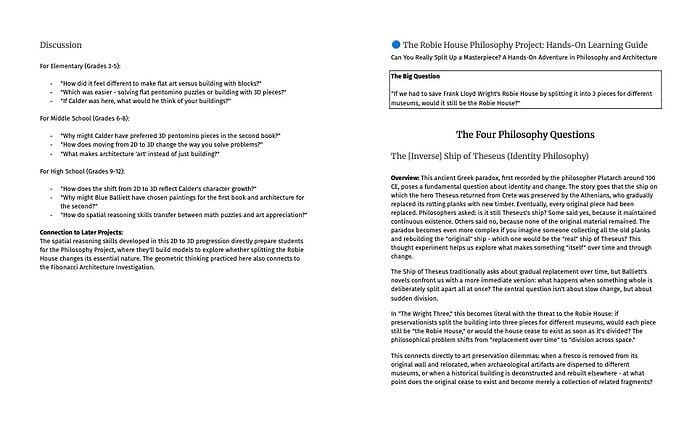
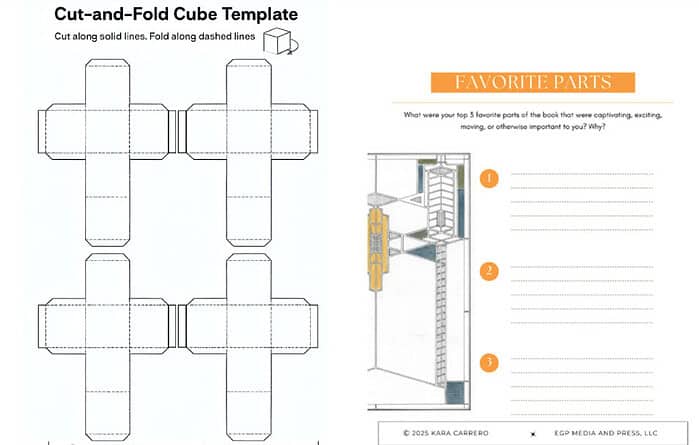
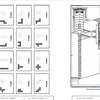
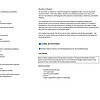
- 2D to 3D Transformation Project: Students progress from flat pentomino puzzles to three-dimensional architectural building, mirroring the series’ evolution from Vermeer’s paintings to Wright’s Robie House
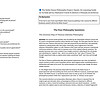
- Philosophy Investigation: Hands-on exploration of identity questions using four philosophical frameworks: Ship of Theseus, Mereology, Part-Whole Problem, and Aura theory applied to architectural preservation
- Fibonacci Architecture Study: Mathematical investigation of golden ratio proportions in famous buildings, from basic pattern recognition to advanced architectural analysis
- Capstone Design Project: Students create original architectural works reflecting contemporary American values while incorporating mathematical principles and Wright’s design philosophy
Rich Cross-Curricular Integration: Mathematics concepts include Fibonacci sequences, golden ratio applications, geometric relationships, and proportional reasoning. Science connections explore structural engineering, materials science, and sustainable design. Social studies elements examine American architectural movements, cultural identity, and historic preservation. Art education covers design principles, color theory, and spatial analysis.
Comprehensive Resource Package:
- Quick-start implementation guides with strategic activity selection by timeline
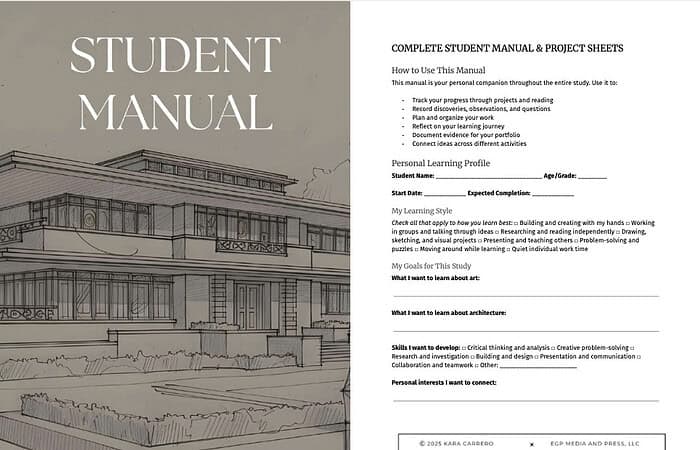
- Complete student manual with vocabulary tracking, project worksheets, and reflection tools
- Detailed teacher resources including assessment rubrics, differentiation strategies, and troubleshooting guides
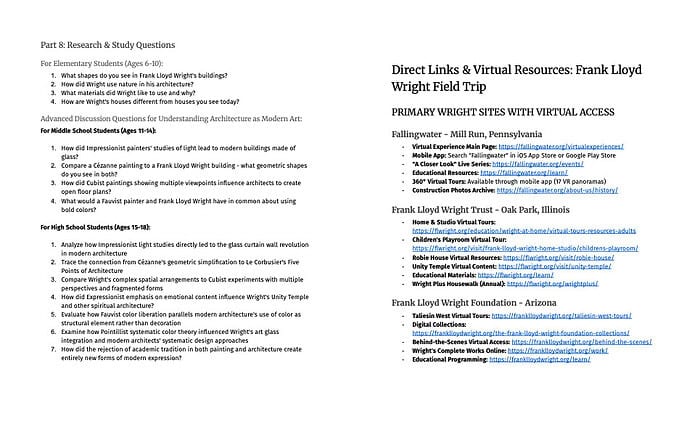
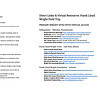
- Virtual field trip resources with direct links to Frank Lloyd Wright Foundation virtual tours, museum collections, and architectural archives
- Community connection templates for engaging local architects, historians, and craftspeople
- Multiple material options guides from budget-friendly cardboard construction to advanced 3D modeling software
Assessment Innovation: Portfolio-based evaluation system measures authentic learning through project artifacts, reflection journals, peer collaboration evidence, and community impact documentation. No traditional tests—only meaningful demonstration of understanding through creation and application.
Professional Development Support: Extensive teacher resources include grant proposal templates, community partnership agreements, troubleshooting common implementation challenges, and long-term impact assessment tools. Perfect for educators seeking to integrate STEAM learning with literature study.
Age-Appropriate Differentiation:
- Ages 8-10: “Museum kit” creation with simple philosophical concepts and hands-on building
- Ages 11-13: “Architecture detective” investigations with measurement and analysis
- Ages 14-16: Comprehensive preservation proposals with alternative solutions
- Ages 17-18: Professional-level innovation projects suitable for portfolio presentation
Technology Integration Options: Supports various tech comfort levels from simple digital documentation to advanced architectural modeling software (SketchUp, Fusion 360, 3D printing). Includes free and paid software recommendations with implementation guidance.
Homeschool and Classroom Ready: Designed for flexible implementation across diverse learning environments. Works excellently for individual students, mixed-age family learning, co-op groups, or traditional classroom settings. All materials ready for immediate use with minimal preparation required.
This curriculum transforms students into active creators, philosophers, and community members who understand how literature, mathematics, and spatial design intersect to create meaning. Students gain sophisticated vocabulary for analyzing built environments, develop spatial reasoning skills, and learn to approach complex preservation and authenticity questions with multiple philosophical frameworks.
Keywords: Frank Lloyd Wright, Fibonacci sequence, golden ratio, architectural education, project-based learning, pentomino puzzles, Robie House, philosophy for children, STEAM integration, spatial reasoning, Prairie School architecture, mathematical proportions, design thinking, authentic assessment
Additional information
| Grade | Family Style, 3rd, 4th, 5th, 6th, 7th, 8th, High School (9-12), Parent Product |
|---|---|
| Homeschool Style | Any Styles, Family Style, Charlotte Mason, Classical & Traditional, Eclectic, Montessori, Unit Study, Unschooling |
| Parent Involvement | |
| Product Format | |
| Resource Type | |
| Worldview |
Only logged in customers who have purchased this product may leave a review.
Vendor Information
- Store Name: EGP Media and Press
- Vendor: EGP Media and Press
- No ratings found yet!
-

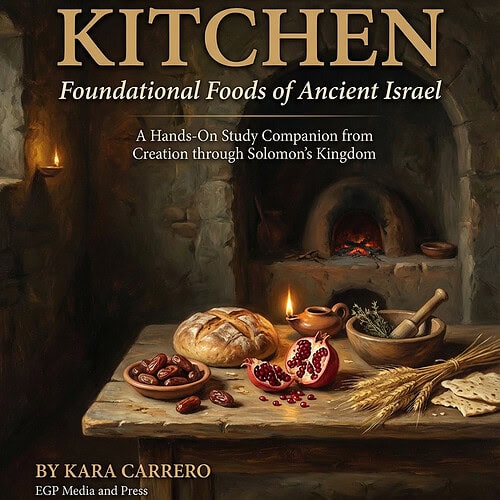
The Biblical Kitchen: Foundational Foods of Ancient Israel
A hands-on K–12 study companion exploring biblical food culture through 12 historically grounded recipes, 3 Biblical Food Labs, and 7 comprehensive reference appendices — from Creation through Solomon’s Kingdom. Includes grade-differentiated teaching tips, Scripture connections,…

-

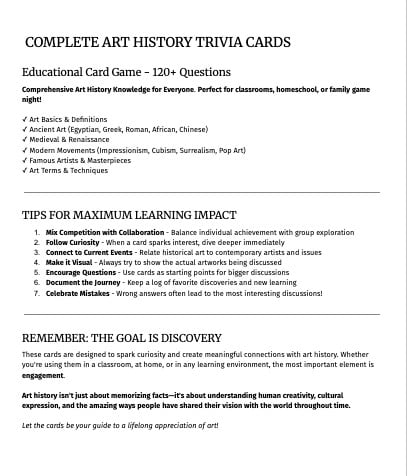
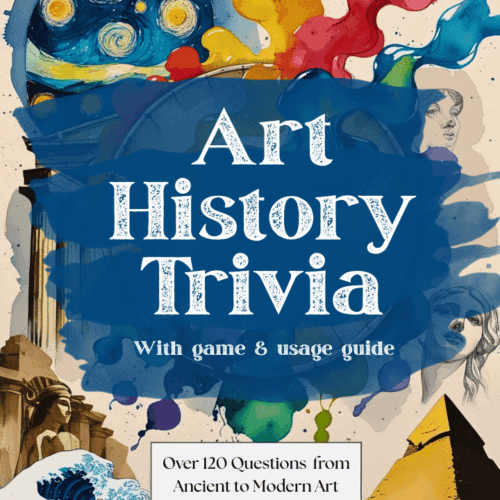
Art History Trivia: 120+ Interactive Cards & Game Guide
120+ trivia cards covering 16 art history topics: Art Basics & Definitions, Ancient Egyptian, Greek, Roman, African, Chinese, Medieval, Renaissance, Impressionism, Cubism, Surrealism, Pop Art, Famous Artists, Masterpieces, Art Terms & Techniques, and Artist Biographies…
-
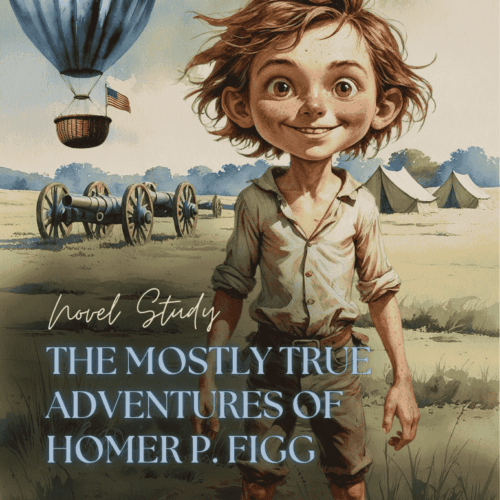
The Mostly True Adventures of Homer P. Figg: Cross-Curricular Novel Study
-
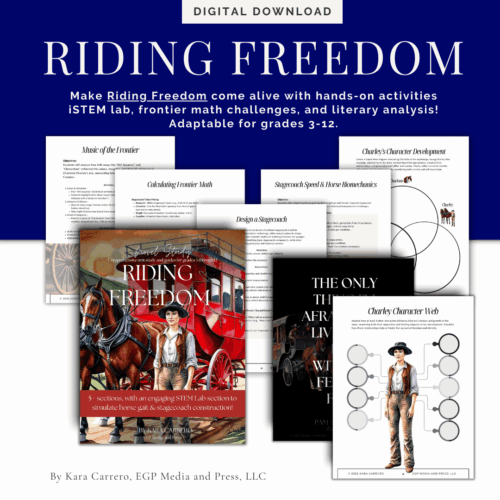
Riding Freedom Novel Study – A Cross-Curricular Journey
Perfect For: Homeschoolers studying women’s history or the 1800s Teachers pairing literature with social studies and STEM education Girl Scout Groups and Book Clubs Kids who love horses, adventure, and engineering Format: 37 Page Printable…
-
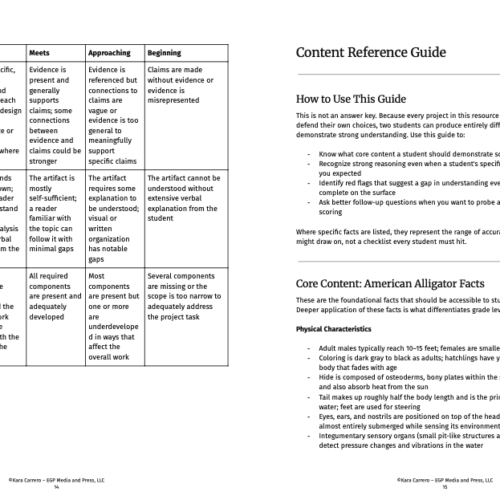
American Alligator: A Complete Project-Based Learning Unit differentiated K-12
Eleven hands-on projects for Grades K–12, fully differentiated across four grade bands. Students build, illustrate, and analyze using 9 print-ready handouts, with rubrics and a teacher/parent reference guide included. Works with any American Alligator study…
-
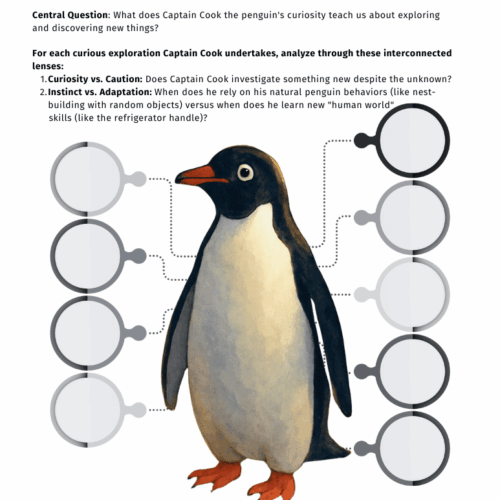
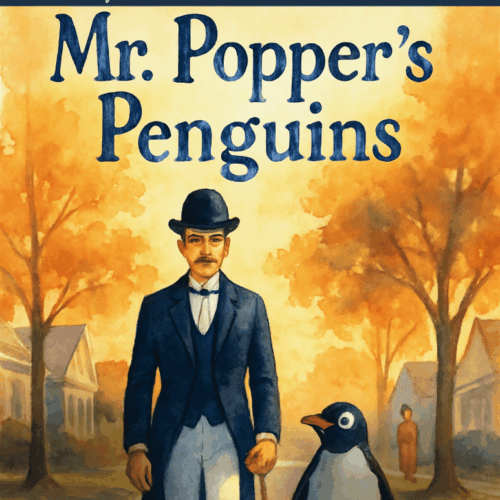
Mr. Popper’s Penguins PK-5 Novel Study: Project Based Novel Study and Literature Unit
Transform your literature instruction with this comprehensive novel study designed for homeschool families and elementary teachers. This complete unit includes differentiated activities for grades PK-5, cross-curricular extensions, character analysis tools, and flexible lesson plans. Perfect…
DIGITAL PRODUCT REFUNDS
Digital products are not applicable for refunds. Any purchase of a digital product (audio, video, course, download, printable, etc.) is final because we cannot revoke your access to digital content.
PHYSICAL PRODUCT REFUNDS
- This is a multivendor marketplace. As such, each store owner maintains their own refund policy. When purchasing from one of our vendors, you should reach out to them directly to address product concerns. Each of our vendors has their contact information in their store profiles.
- Should you have an issue with a product, please email the store owner directly using the owner information found in their store.
- If you have a problem with an item and are not receiving an appropriate answer from a vendor, please contact our site at [email protected] to escalate the issue.
- Homeschool Resource Co. is not able to troubleshoot our vendor’s products as we do not own them. However, we can reach out to the store manager on your behalf.
Related products
Kids Bible Story Checklist
Not sure where to start when introducing your kids to Bible stories/characters? Stuck on the same Bible stories and aren’t sure where to go next? Try this Bible Story Checklist for Kids! It includes 60…
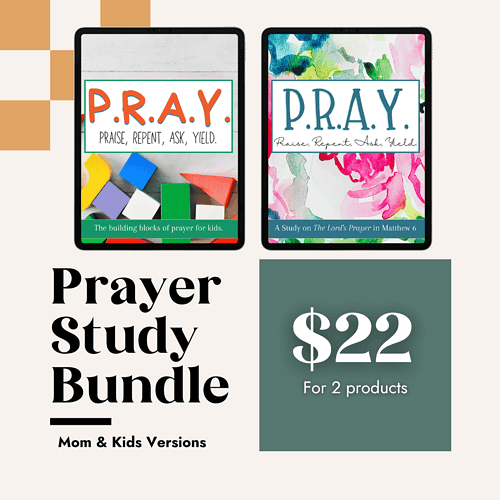
P.R.A.Y. Study Bundle
When should we pray? How should we pray? Why do we pray? Answer these questions, and so many more, through this prayer study bundle for adults with a companion study for Kids.
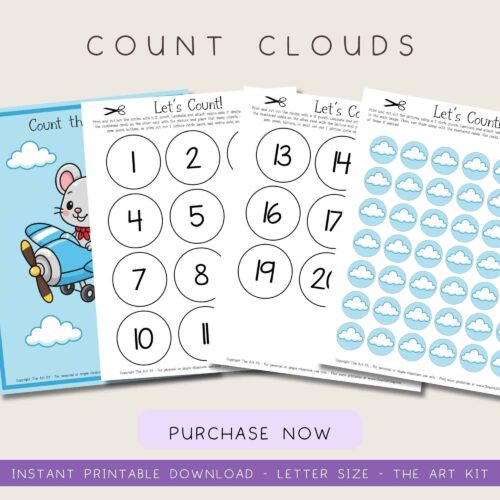
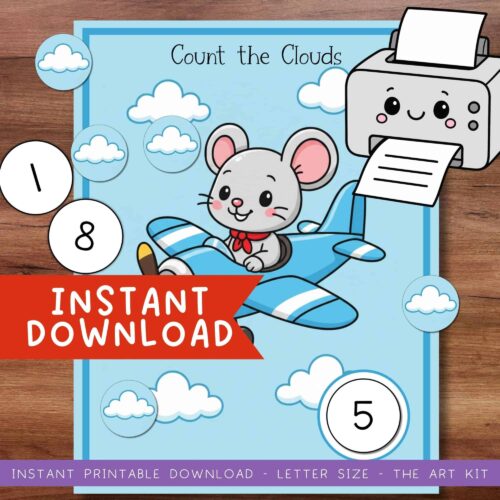
Counting Number Printable Worksheets for Kids, Fun Learning Activities, Preschool Math, Digital Download, Mouse in Airplane, Counting Clouds
Make math fun with this Counting Clouds Printable! ✈️🐁 Introducing our Counting Number Printable, the perfect resource for preschool and kindergarten math activities! This engaging printable is designed to help your little ones learn to…
Palm Sunday Study for Elementary Kids
Dive into Holy Week with your elementary kids with our Palm Sunday Study! An 18-page study with Bible study materials, videos, object lessons and songs.
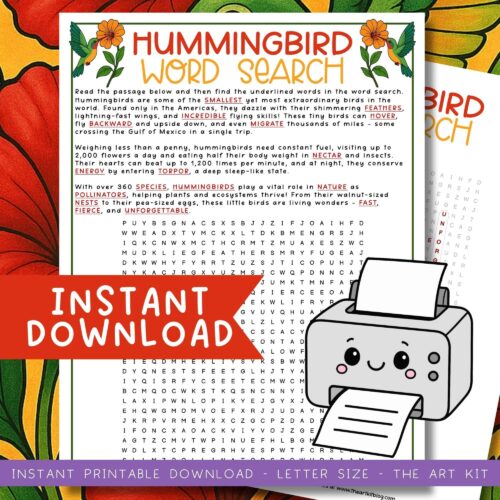
Word Search PDF, Hummingbird Printable, Vocabulary Activities, Word Find Games
Kids love these Printable Hummingbird Word Searches with Fun Facts! 📄 Instant Download | Printable Hummingbird Word Search Looking for a fun and educational activity for kids? This hummingbird word search includes interesting facts and…
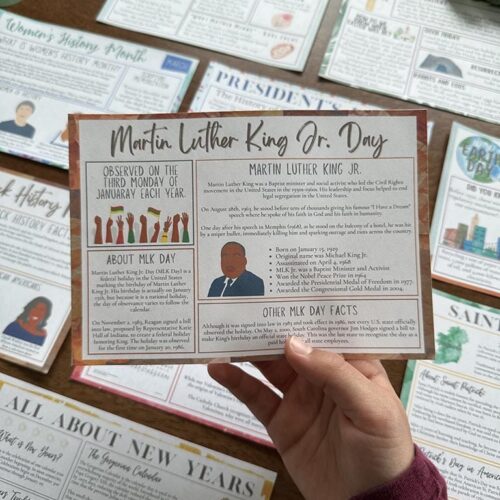
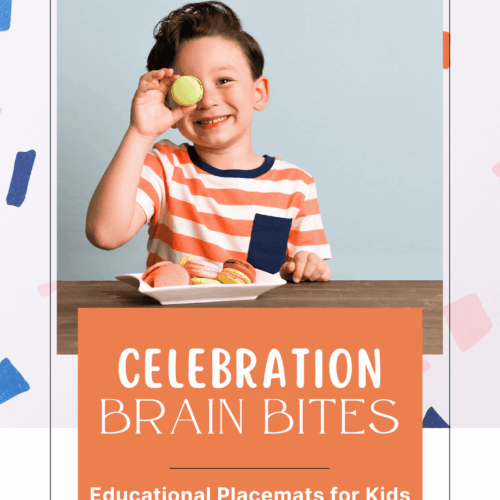
Celebration & Holiday Brain Bites
The Celebration and Holiday Brain Bites includes 21 pages of educational placemats that cover at least one holiday in each month of the year to learn in your homeschool.

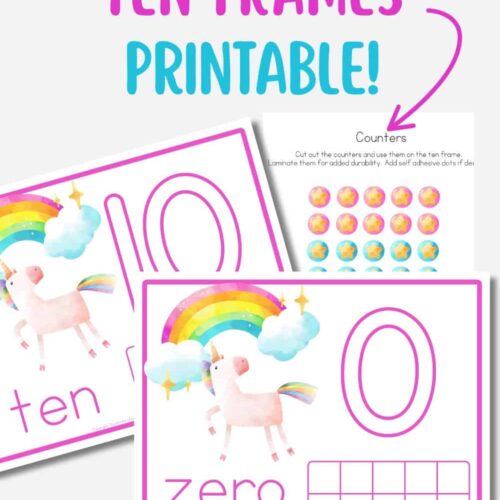
Unicorn Rainbow Ten Frame Printable – Counting Math Activity with Counters for Kids, Preschool & Homeschool Number Practice
Make math fun with this Unicorn Rainbow Ten Frame! 🦄🌈 Perfect for preschoolers, kindergarteners, and early elementary kids, this printable counting activity helps little learners practice numbers, subitizing, and one-to-one correspondence… all while having fun…
Ultimate Bible Study Guides Bundle for Kids
The Ultimate Bible Study Guides Bundle includes 5 different studies to help encourage your kids to study their Bible. Use them individually, or combine them to make your own study!
Hymn Brain Bites
Our Hymn Brain Bites Placemats will help you introduce your children to the history and lyrics of classic and timeless hymns around your dinner table.
Reviews
There are no reviews yet.