

Muscle Twitch, Summation, Tetanus, Motor Unit Recruitment Practice Questions
$3.50
Reviewing muscle physiology with a whole class usually means re-teaching everything, because a single graph question does not tell you whether the group is shaky on the phases of a twitch, on wave summation, on the diffe. AI note: The written content of this resource was drafted with AI tools, then reviewed by the author.
- Grade
- 9-12
- Homeschool Style
- Unit Study
- Parent Involvement
- Independent
- Product Format
- Resource Type
- Supplemental
- Worldview
- Neutral Worldview

Description
Reviewing muscle physiology with a whole class usually means re-teaching everything, because a single graph question does not tell you whether the group is shaky on the phases of a twitch, on wave summation, on the difference between incomplete and complete tetanus, or on motor unit recruitment. Review time gets spread evenly over material some students already hold and misses the part that is actually weak. This resource is built to show you where the group stands before you decide what to re-teach. Inside you will find a 7-question diagnostic (Form A), a matched 7-question retest (Form B), and 2 practice questions grouped by content area, 16 questions in all. The four areas are the single muscle twitch (latent, contraction and relaxation periods), wave summation and stimulus frequency, incomplete and complete tetanus, and motor unit recruitment and graded force. A scoring table maps each missed question to its content area, so a stack of marked Form A papers turns into a short list of topics. A fact sheet of common misconceptions gives you wording to reuse at the board. The answer key explains every option, including the wrong ones. A typical run takes one to two weeks. Hand out Form A at the start of the unit review, mark it with the key, and tally misses by area using the scoring table. Spend your class time on the one or two areas where the group lost the most points, and use the practice questions for those areas as warm-ups or exit tickets. Share the fact sheet where it applies. Later in the week, or the following one, give Form B and compare area by area. Because the two forms are matched, a gain on Form B reflects a shift in understanding, not recall of Form A answers. What sets it apart is the answer key. Each wrong option is explained and tied to the misconception that makes it tempting, for example reading the latent period as a time of no activity at all, or assuming a stronger contraction means each fiber contracts harder. That lets you correct the reasoning, not just the answer. Every answer was independently verified before publication. Of the questions drafted, 16 passed, and those that failed were removed rather than reworded. It suits instructors of Anatomy and Physiology I, introductory physiology and dual-enrollment or high school anatomy courses who want a quick, scoreable read on a class, and homeschool parents who want a key they can mark against. It is not a full unit, a lecture, or a lab, and it does not cover the cellular mechanism of contraction in depth or other muscle topics such as fiber types or muscle metabolism. It is a focused check on one set of graph-based concepts.
AI note: The written content of this resource was drafted with AI tools, then reviewed by the author.
Additional information
| Grade | |
|---|---|
| Homeschool Style | |
| Parent Involvement | |
| Product Format | |
| Resource Type | |
| Worldview |
Only logged in customers who have purchased this product may leave a review.
Vendor Information
- Store Name: Professor C's Academy
- Vendor: Professor C's Academy
- No ratings found yet!
-

Legacies: What the Ancient World Left Behind: Social Studies Unit 8, Grade 6 (Letters & Devotion)
Unit 8 of The Ancient World: Peoples, Power, and Place (Grade 6): 9 lessons with check-up and answer key, 57 printable pages. AI note: The written content of this resource was drafted with AI tools,…

-

5th Grade: Math : Budgeting & Credit (Financial Literacy) Weekly Bundle
This 5th Grade Math Financial Literacy Weekly Bundle provides a comprehensive set of resources focused on budgeting, credit management, savings, income, taxes, and interest concepts. Designed to support skill development over several weeks, these materials…
-

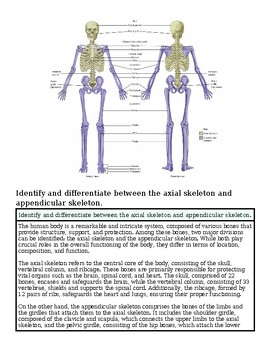
Axial and Appendicular Skeleton Comparison | Daily Lesson | Anatomy
Explore the differences between the axial and appendicular skeletons with this comprehensive daily lesson. Students will learn the structure, function, and key bones within each part of the human skeleton. This printable lesson includes detailed…
-
Citizen Participation in Government Change | World History | Daily Lesson
Explore the various ways people have influenced and shaped their governments throughout history in this engaging daily lesson. Students will analyze key historical events, movements, and revolutions where citizens actively supported or challenged their governments,…
-
English 2: Week 9 Workbook – Audience Awareness and Text Analysis Skills
This Week 9 workbook for English 2 focuses on helping students become thoughtful, effective communicators and critical readers. Students will learn to identify and analyze their audience when writing, making choices about language, tone, and…
-

Science | Grade 3 | Traits and Families: Who Are We? Grade 3 | Lesson PowerPoint
Description: Dive into the fascinating world of traits and family connections with our engaging PowerPoint lesson designed for Grade 3 students! This resource aligns with the 3-LS3-2 standard, helping young learners explore how traits are…
DIGITAL PRODUCT REFUNDS
Digital products are not applicable for refunds. Any purchase of a digital product (audio, video, course, download, printable, etc.) is final because we cannot revoke your access to digital content.
PHYSICAL PRODUCT REFUNDS
- This is a multivendor marketplace. As such, each store owner maintains their own refund policy. When purchasing from one of our vendors, you should reach out to them directly to address product concerns. Each of our vendors has their contact information in their store profiles.
- Should you have an issue with a product, please email the store owner directly using the owner information found in their store.
- If you have a problem with an item and are not receiving an appropriate answer from a vendor, please contact our site at [email protected] to escalate the issue.
- Homeschool Resource Co. is not able to troubleshoot our vendor’s products as we do not own them. However, we can reach out to the store manager on your behalf.
Related products
Christian Mental Health and Anxiety Devotional and Prayer Journal
This Christian Mental Health and Anxiety Devotional and Prayer Journal is designed to guide you on a transformative journey towards inner peace and resilience through faith. Each day offers biblical insights, reflective devotions, heartfelt prayers,…
Word Search PDF, Hummingbird Printable, Vocabulary Activities, Word Find Games
Kids love these Printable Hummingbird Word Searches with Fun Facts! 📄 Instant Download | Printable Hummingbird Word Search Looking for a fun and educational activity for kids? This hummingbird word search includes interesting facts and…

P.R.A.Y. Study Bundle
When should we pray? How should we pray? Why do we pray? Answer these questions, and so many more, through this prayer study bundle for adults with a companion study for Kids.

Word Search PDF, Letter B Printable, Vocabulary Activities, Word Find Games
Kids love these Printable Letter B Word Searches! 📄 Instant Download | Printable Letter B Word Search Looking for a fun and educational activity for kids? This 104-word B-word word search is packed with words…
Scavenger Hunt Printable for Kids, Outdoor Activity Game, Nature Exploration, Fun Family Adventure, Instant Download
Get ready for endless fun with our Find and Draw Nature Scavenger Hunt Printable! Perfect for kids and adults alike, this versatile game is available as an instant download, making it easy to print and…
World History 1 | Student and Teacher Bundle
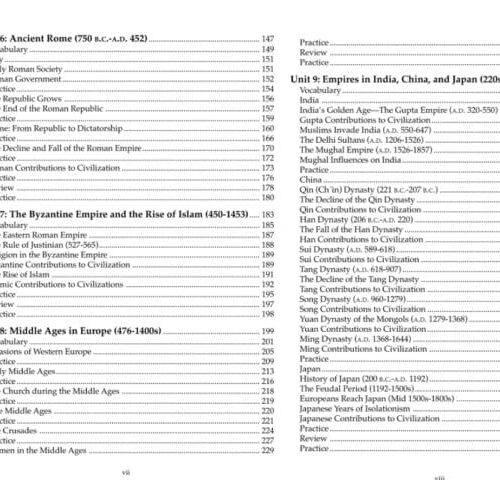
This BUNDLE includes both the student textbook and teacher’s guide for World History 1. It includes 21 units from Ancient Egypt to the rise of nationalism in the 1800’s. See unit details below in description.
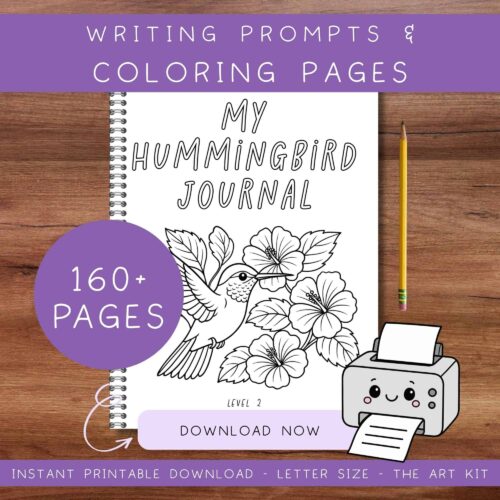
Hummingbird Journal Prompts, Digital Download, Printable Nature Diary, Hummingbird Coloring Pages, Homeschool Printable, Science Journal
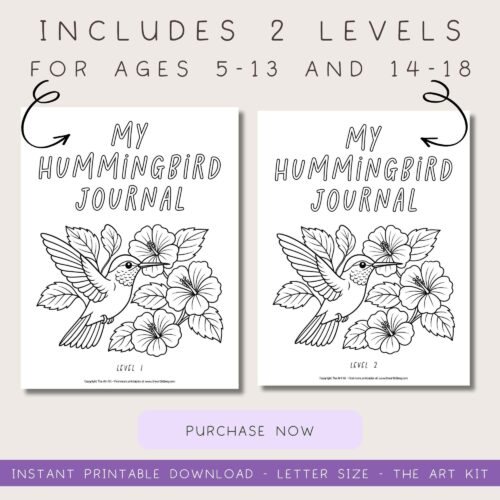
Encourage creative writing Instant Download | Hummingbird Journal Prompts Encourage creative writing with this hummingbird creative writing journal. Coloring pages are also included. Two levels are included, perfect for ages 5-18. Print as 8.5″ x…
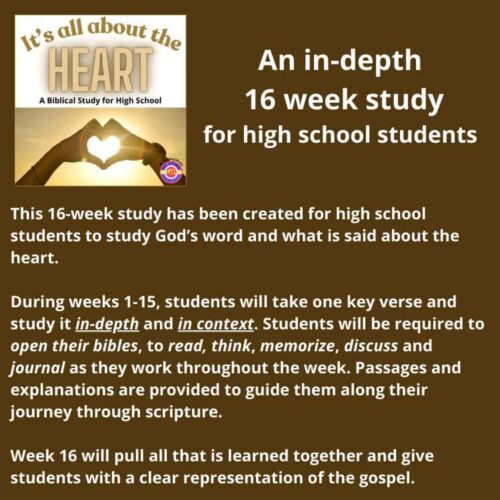

It’s All About the Heart | 16 Week Biblical Study for High School
What is the heart? What does God’s word say about the heart? How important is it that our youth…our teens…understand what the bible teaches us about the heart? Here is a 16-week bible study on…
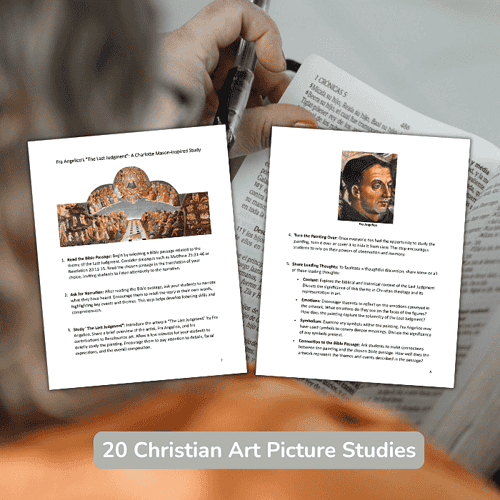
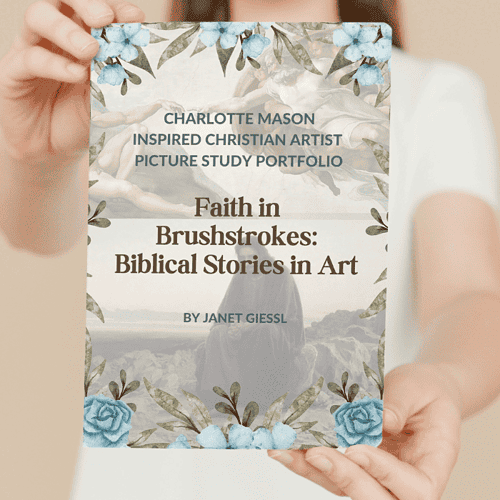
Faith in Brushstrokes: Biblical Stories in Art – Charlotte Mason Inspired Christian Artist Picture Study Portfolio
Unlock the treasures of faith and art with our “Faith in Brushstrokes: Biblical Stories in Art” Portfolio, meticulously crafted for those seeking spiritual enrichment and a deeper connection to Christian themes through the lens of…
Reviews
There are no reviews yet.