
Antihypertensive and Heart Failure Drugs: Pharmacology Practice Questions
$8.00
Cardiovascular pharmacology is one of those units where a class can look fine in discussion and then fall apart on an application question. AI note: The written content of this resource was drafted with AI tools, then reviewed by the author.
- Grade
- 9-12
- Homeschool Style
- Unit Study
- Parent Involvement
- Independent
- Product Format
- Resource Type
- Supplemental
- Worldview
- Neutral Worldview

Description
Cardiovascular pharmacology is one of those units where a class can look fine in discussion and then fall apart on an application question. The harder problem for the instructor is knowing where the group as a whole is weak. Beta blocker receptor selectivity, dihydropyridine versus non-dihydropyridine calcium channel blockers, diuretic sites of action along the nephron, and the preload and afterload logic behind heart failure therapy all sit close together in a textbook chapter, so review time tends to get spread evenly across all of it. This set is built to tell you, before you plan the review, which two or three areas actually need the class time. Inside are 39 multiple choice questions in three parts. A 10-question diagnostic (Form A) samples all five content areas. A matched retest (Form B) covers the same areas with the same structure but different stems and options. Between them sit 19 practice questions grouped by area so you can assign a single block of items on diuretics or on renin-angiotensin-aldosterone agents without hunting through a mixed set. You also get a scoring table that maps each missed item to its content area, a fact sheet of the misconceptions students most often bring to this material, and an answer key that explains every option, including the wrong ones. A typical run takes a week or two. Give Form A cold at the start of the unit or as a mid-unit checkpoint, score it against the table, and read off which areas the group missed most. Teach or reteach those areas, assign the matching blocks from the 19 grouped questions as homework or small group work, use the misconceptions fact sheet to run a short whole-class correction, then give Form B. Because the forms are matched rather than repeated, a gain on Form B reflects understanding of the underlying pharmacology rather than memory of Form A items. Two things set this apart from a generic question bank. First, the per-option explanations name the specific misconception behind each distractor, so when a student picks nifedipine for rate control or assumes all diuretics act at the same nephron site, you have language ready rather than having to improvise it. Second, every answer was independently verified before publication. Thirty-nine questions passed that check. Items that failed were removed rather than reworded, so the count reflects what survived review. This suits nursing and allied health instructors teaching an introductory or intermediate pharmacology unit, anatomy and physiology instructors covering cardiovascular drugs alongside circulation, and tutors or lab coordinators running review sessions for a small group. It also works in a homeschool or adult education setting because the answer key explains reasoning, not just letters. It is not a lecture package. There are no slides, no notes pages, and no drug tables to teach from, so you will need your own instruction or textbook alongside it. It also assumes students already know basic cardiovascular physiology and can read drug class names, which makes it a poor fit for a first-week introduction or for high school health courses below anatomy level. Delivered as printable PDFs.
AI note: The written content of this resource was drafted with AI tools, then reviewed by the author.
Additional information
| Grade | |
|---|---|
| Homeschool Style | |
| Parent Involvement | |
| Product Format | |
| Resource Type | |
| Worldview |
Only logged in customers who have purchased this product may leave a review.
Vendor Information
- Store Name: Professor C's Academy
- Vendor: Professor C's Academy
- No ratings found yet!
-

Exploring Industries: Agriculture, Retail, Manufacturing, and Services
Help your students understand the diverse industries that drive economies with this comprehensive worksheet! Students will learn to define and explore examples of agricultural, retail, manufacturing, and service industries, gaining insight into how each contributes…

-

Building the Evidence Case: Synthesis Across Scales: Science Unit 8, Grade 7 (Letters & Devotion)
Unit 8 of Life Science: Systems, Energy, and Change (Grade 7): 9 lessons with check-up and answer key, 57 printable pages. AI note: The written content of this resource was drafted with AI tools, then…
-
Spinal Tracts Practice Questions with Brown-Sequard Cases and Answer Key
Reviewing the spinal cord pathways with a whole class usually means giving every tract the same amount of time, even though a group is rarely weak across the board. AI note: The written content of…
-
Letters & Devotion Grade 5: The American Story Begins: Peoples, Contact, and a New Nation
“The American Story Begins: Peoples, Contact, and a New Nation” (Grade 5) is the Grade 5 social studies volume in the Letters & Devotion homeschool print curriculum. AI note: The written content of this resource…
-

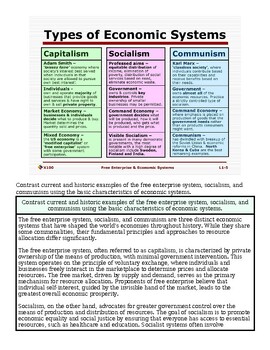
Comparing Economic Systems | Daily Lesson
This daily lesson contrasts current and historic examples of the free enterprise system, socialism, and communism using the basic characteristics of economic systems. Designed for middle and high school students, the lesson explores how property…
-
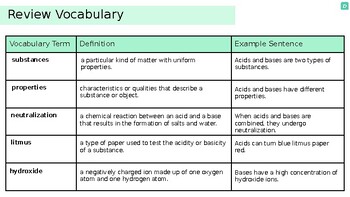
Acids, Bases, and Chemical Reactions: Properties and Conservation |Week Lessons|
“Acids, Bases, and Chemical Reactions: Properties and Conservation” offers educators a comprehensive framework to enrich teaching methodologies and deepen student understanding of fundamental chemical concepts. This resource equips educators with the tools and strategies to…
DIGITAL PRODUCT REFUNDS
Digital products are not applicable for refunds. Any purchase of a digital product (audio, video, course, download, printable, etc.) is final because we cannot revoke your access to digital content.
PHYSICAL PRODUCT REFUNDS
- This is a multivendor marketplace. As such, each store owner maintains their own refund policy. When purchasing from one of our vendors, you should reach out to them directly to address product concerns. Each of our vendors has their contact information in their store profiles.
- Should you have an issue with a product, please email the store owner directly using the owner information found in their store.
- If you have a problem with an item and are not receiving an appropriate answer from a vendor, please contact our site at [email protected] to escalate the issue.
- Homeschool Resource Co. is not able to troubleshoot our vendor’s products as we do not own them. However, we can reach out to the store manager on your behalf.
Related products
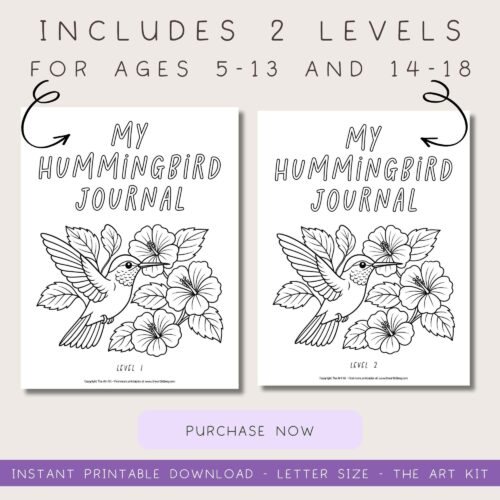
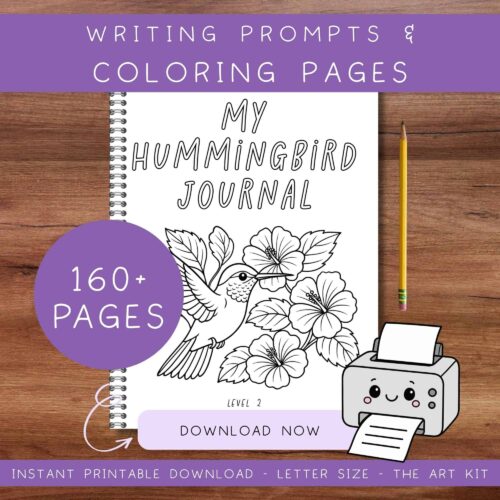
Hummingbird Journal Prompts, Digital Download, Printable Nature Diary, Hummingbird Coloring Pages, Homeschool Printable, Science Journal
Encourage creative writing Instant Download | Hummingbird Journal Prompts Encourage creative writing with this hummingbird creative writing journal. Coloring pages are also included. Two levels are included, perfect for ages 5-18. Print as 8.5″ x…


Printable November Banner, Fall Garland Decor, Thanksgiving Burlap Style Banner, Autumn Letters Sign, DIY Fall Homeschool Decor
🍂 Printable November Banner – Instant DownloadDecorate your home or homeschool space with this cozy November printable banner! This DIY fall garland features autumn colors, leaves, pumpkins & rustic textures—perfect for Thanksgiving decor, fall parties,…
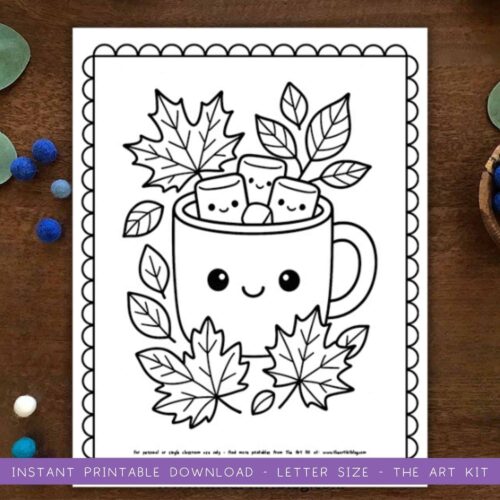
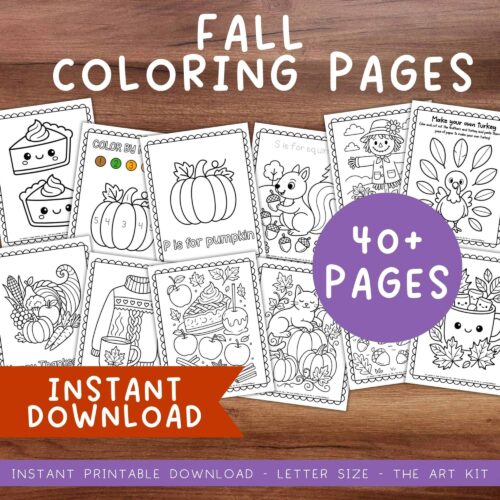
Fall Coloring Pages, Fall Coloring Book, Fall Coloring Sheets, Fall Activities
🍂 Fall Coloring Pages | Autumn & Thanksgiving Coloring Sheets for Kids 🍂 Bring the beauty of autumn right to your coloring table! This printable Fall Coloring Book is packed with 42 fun and…
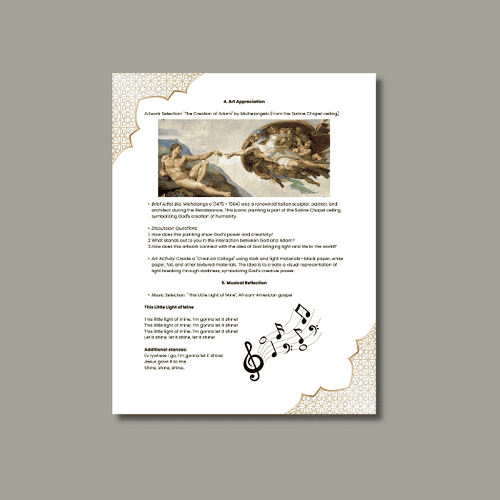
Creative Family Devotional: Finding God’s Presence in Nature, Art, and Music – A Year of Charlotte Mason-Inspired Devotions and Reflections
A 52-Week Charlotte Mason-Inspired Journey Discover a year-long journey that brings your family closer to God through nature, art, and music. This Charlotte Mason-inspired devotional invites families to explore God’s creation, engage in meaningful discussions,…
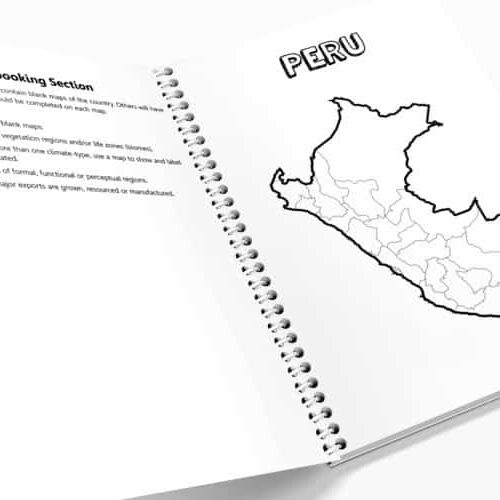
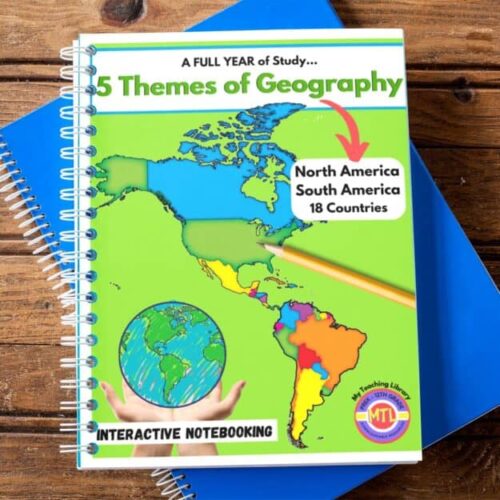
5 Themes of Geography | North and South America BUNDLE
This full-year notebooking project will have students ‘thinking like a geographer! They’ll research 18 different countries and record important information that will have them investigate and record using a 5 Themes of Geography lens: location, place, human environment…
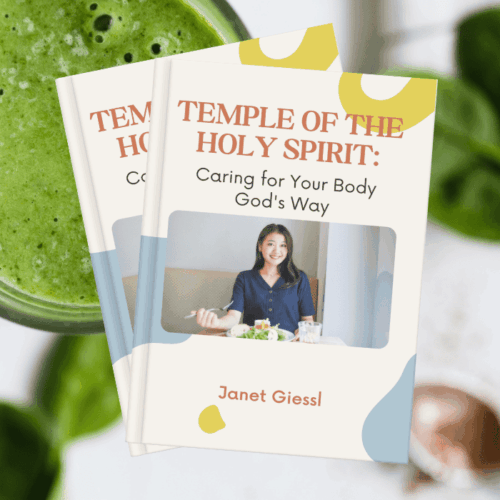
Temple of the Holy Spirit: Caring for Your Body God’s Way: A 50-Day Bible Study and Devotional
Your body is not just flesh and bones – it is the temple of the Holy Spirit. In this 50-day Bible study and devotional, you will discover how to care for your body according to God’s…
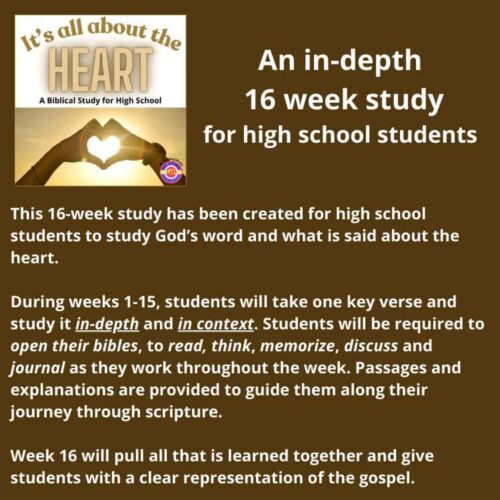

It’s All About the Heart | 16 Week Biblical Study for High School
What is the heart? What does God’s word say about the heart? How important is it that our youth…our teens…understand what the bible teaches us about the heart? Here is a 16-week bible study on…
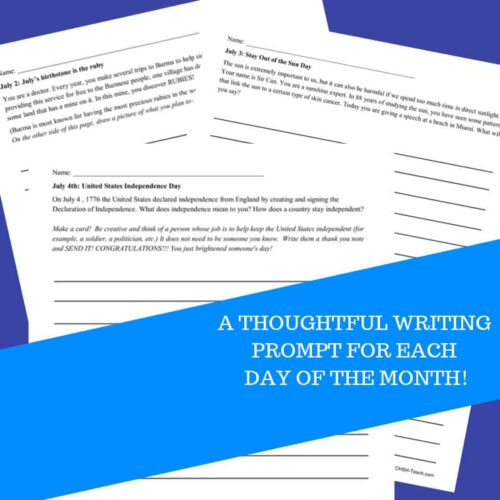
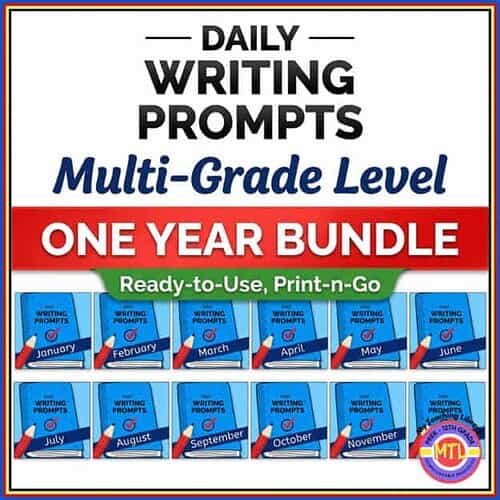
Daily Writing Prompt Journals – ONE YEAR BUNDLE
Daily Writing Prompt Journals – ONE YEAR BUNDLE ✍️ Stop the “I don’t know what to write about!” struggle before it starts. This comprehensive One Year Bundle provides a seamless, year-round solution for developing consistent writing…
All-Access Membership – Lifetime
⭐ LIFETIME ALL-ACCESS PASS: Every Resource, Every Grade, Forever! ⭐ Are you ready to stop paying for individual resources and start having an entire curriculum library at your fingertips? This is the ultimate “Buy the Store” opportunity for educators who want…
Reviews
There are no reviews yet.