❤️ Supporting homeschool families and individual content creators.

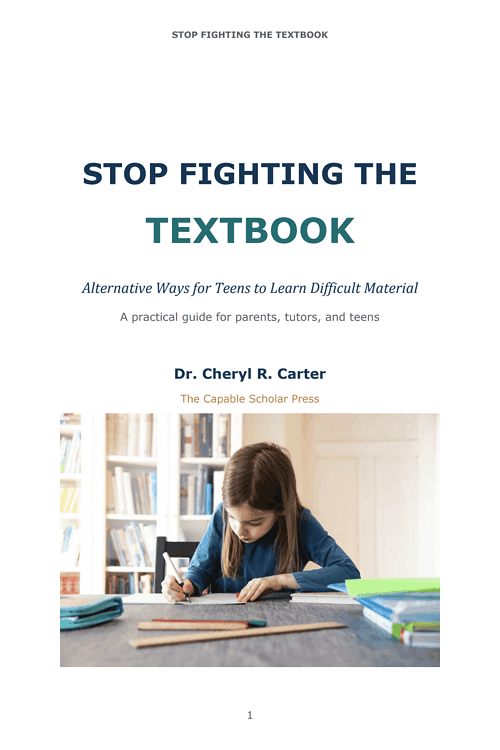
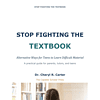
Stop Fighting the Textbook: Ways for Teens to Learn Difficult Material
$16.97
Help teens discover more effective ways to learn difficult subjects without relying entirely on traditional textbooks. This practical guide introduces alternative learning strategies such as videos, audiobooks, visual notes, graphic organizers, hands-on activities, and retrieval practice. Designed for homeschool families,…
Help teens discover more effective ways to learn difficult subjects without relying entirely on traditional textbooks. This practical guide introduces alternative learning strategies such as videos, audiobooks, visual notes, graphic organizers, hands-on activities, and retrieval practice. Designed for homeschool families, parents, tutors, and neurodiverse learners, it helps students build understanding, develop independent study skills, and approach challenging material with greater confidence.
Page count: 31 pages
Highlights
- Grade
- 9-12, High School (9-12)
- Homeschool Style
- Eclectic
- Parent Involvement
- Guided
- Product Format
- Digital Download, PDF
- Resource Type
- Supplemental
- Worldview
- Neutral Worldview
- AI Use
- Seller-created
Seller-created resource. The creator made this resource themselves. Any AI use was limited to brainstorming, outlining, spell-check or light editing.

Description
STOP FIGHTING THE TEXTBOOK Alternative Ways for Teens to Learn Difficult Material
A Practical Guide for Parents, Tutors, and Teens
When a teenager cannot learn effectively from a textbook, the problem is not always motivation, intelligence, or effort. Sometimes the textbook simply does not present information in a way the student can easily access, organize, understand, and remember.
Stop Fighting the Textbook is a practical guide for parents, tutors, and teens who need effective alternatives to traditional textbook-based learning. It helps families move beyond repeated reading, highlighting entire pages, copying definitions, and arguing over unfinished chapters.
Instead of asking, “Why won’t this student try harder?” this guide asks a more useful question:
What is another way this student can learn the same material?
Help Teens Learn Without Lowering Expectations
Alternative learning does not mean avoiding challenging subjects or making the work academically weak. It means changing the path to understanding while preserving the learning goal.
Students can still master biology, history, literature, algebra, psychology, government, and other demanding subjects—even when a dense textbook is not the most effective starting point.
This guide helps families identify the essential knowledge and then select learning methods that make the material clearer and more manageable.
Discover Alternatives Such As
- Short educational videos
- Audiobooks and text-to-speech
- Documentaries
- Podcasts
- Visual notes and sketch notes
- Graphic organizers
- Timelines and maps
- Models and demonstrations
- Experiments
- Interactive websites
- Real-world examples
- Discussion and oral explanation
- Projects and presentations
- Flashcards and retrieval practice
- Practice questions
- Guided notes
- Vocabulary previews
- Teacher-created summaries
- Primary sources
- Historical fiction and biographies
- Educational games
- Field trips and community resources
- Tutoring and collaborative learning
Learn How to Use the Textbook Differently
The goal is not necessarily to throw the textbook away. Students can learn to use it as a reference rather than treating every page as equally important.
Teens practice how to:
- Preview a chapter before reading
- Examine headings, diagrams, summaries, and review questions
- Identify what they are expected to learn
- Break long chapters into manageable sections
- Locate essential information
- Read selectively and purposefully
- Translate difficult passages into plain language
- Turn headings into questions
- Create useful notes instead of copying paragraphs
- Combine reading with video, audio, discussion, and practice
- Check whether they truly understand the material
Especially Helpful for Struggling and Neurodiverse Learners
This guide is ideal for teens who:
- Have ADHD or executive-function challenges
- Have dyslexia or another learning difference
- Read slowly
- Struggle with reading comprehension
- Become overwhelmed by dense pages
- Have difficulty remembering what they read
- Avoid long assignments
- Understand better through listening, seeing, discussing, or doing
- Need support becoming independent learners
- Have begun to believe they are “bad” at a difficult subject
The strategies honor different learning needs without labeling students as lazy or incapable.
Replace Battles with Better Questions
Parents and tutors learn to move away from questions such as:
- “Why haven’t you finished the chapter?”
- “Why weren’t you paying attention?”
- “How many times do you have to read this?”
- “Why can’t you just do the assignment?”
Instead, they learn to ask:
- What is the actual learning objective?
- Which part is creating the barrier?
- Does the student need background knowledge?
- Would a video or demonstration make the concept clearer?
- Can the material be divided into smaller steps?
- Could the student explain the idea aloud before writing?
- What evidence will show that the student has learned it?
These questions lead to problem-solving rather than conflict.
Build Independent Learning Skills
Stop Fighting the Textbook does more than offer short-term workarounds. It helps teens develop tools they can carry into high school, college, career training, and adult life.
Students learn how to:
- Recognize when a learning method is not working
- Select another appropriate resource
- Compare explanations
- Ask better questions
- Take usable notes
- Practice retrieving information
- Explain concepts in their own words
- Monitor their understanding
- Prepare for tests without cramming
- Advocate for the support they need
- Take increasing ownership of their education
Perfect For
- Homeschool families
- Middle and high school students
- Parents of struggling learners
- Students with ADHD or dyslexia
- Reluctant readers
- Tutors
- Academic coaches
- Special-education teachers
- Resource rooms
- Homeschool co-ops
- Study-skills courses
- College-preparation programs
- Families using online curricula
- Students facing difficult high school subjects
Learning Should Be Challenging—But It Should Also Be Accessible
A teenager should not have to spend years believing that difficulty with a textbook means an inability to learn.
Sometimes students need the information explained differently. Sometimes they need to see it, hear it, discuss it, build it, practice it, or connect it to something real. Once understanding begins, the textbook may become far less intimidating.
Stop repeating the same frustrating method and expecting a different result. Help your teen discover practical, effective, and academically meaningful ways to learn.
The textbook is one tool. It does not have to be the only path to understanding.
Additional information
| Grade | |
|---|---|
| Homeschool Style | |
| Parent Involvement | |
| Product Format | |
| Resource Type | |
| Worldview | |
| AI Use | Seller-created |
Only logged in customers who have purchased this product may leave a review.
Vendor Information
- Store Name: The Capable Scholar/ Collegiate Learning
- Vendor: The Capable Scholar/ Collegiate Learning
- No ratings found yet!
-

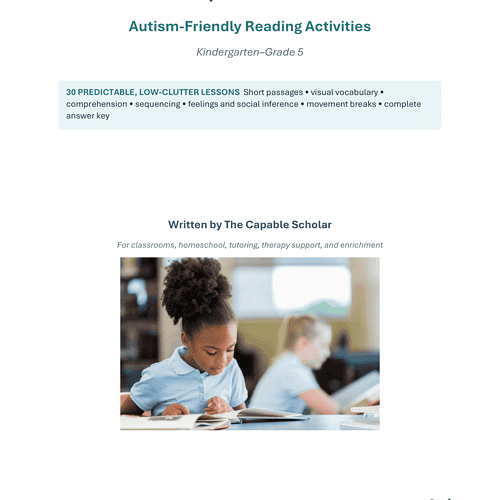
READ, THINK & DO Autism-Friendly Reading Activities Kindergarten–Grade 5
READ, THINK & DO Autism-Friendly Reading Activities K–5 Make reading comprehension more accessible and engaging for autistic and neurodivergent learners with 30 low-clutter reading activities for Kindergarten through Grade 5. Each activity includes a short…

-
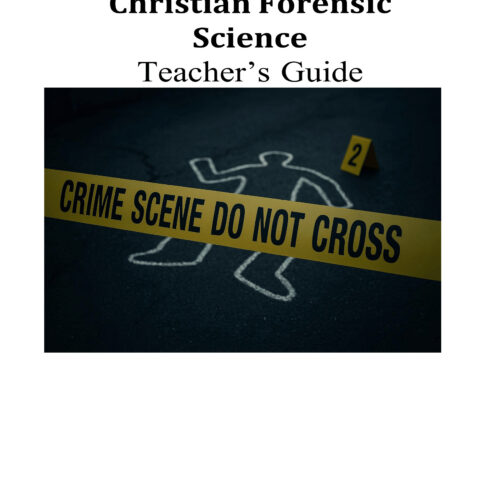
Teacher’s Guide Forensic
TEACHER’S GUIDE – FORENSIC SCIENCE CURRICULUM Bring science to life through hands-on investigations, mystery-solving, and real-world applications. This teacher’s guide introduces middle and high school students to forensic science topics such as crime scene investigation,…
-
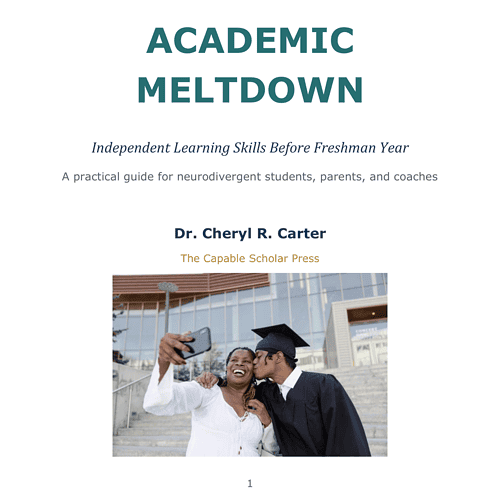
College Without the Academic Meltdown
College Without the Academic Meltdown is a practical, encouraging guide for students who want to succeed in college without becoming overwhelmed, exhausted, or discouraged. Written especially for struggling, anxious, ADHD, autistic, and other neurodivergent learners,…
-
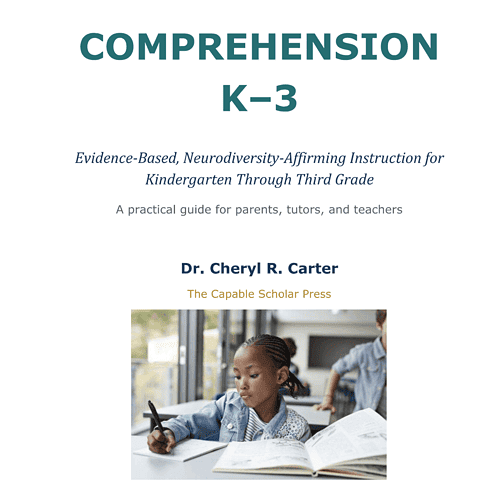
Teaching Reading Comprehension K-3
TEACHING READING COMPREHENSION K–3 Help young learners develop stronger reading comprehension with this practical, neurodiversity-affirming guide for Kindergarten through Grade 3. Designed for parents, tutors, and teachers, this resource provides evidence-informed strategies for teaching vocabulary,…
-
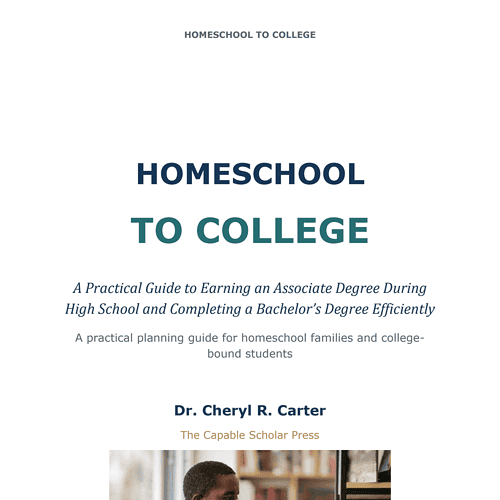
HOMESCHOOL TO COLLEGE A Practical Guide to Earning an Associate Degree at Home
Help your homeschooled student earn college credits and work toward an associate degree during high school with this practical family planning guide. Explore dual enrollment, AP and CLEP exams, community college pathways, transfer credits, financial…
-
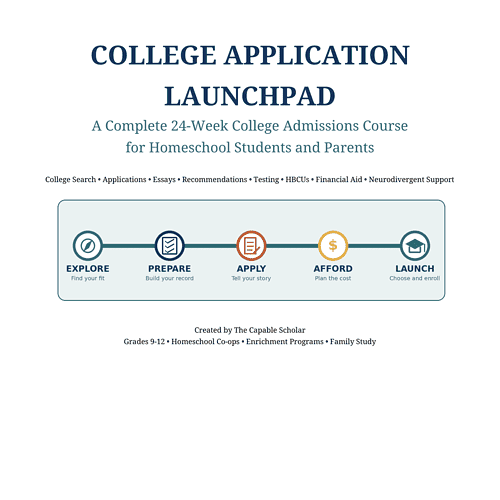
COLLEGE APPLICATION LAUNCHPAD A Complete 24-Week College Admissions Course
COLLEGE APPLICATION LAUNCHPAD Prepare your homeschool student for college with this comprehensive 24-week college admissions course for Grades 9–12. Designed for students and parents, this course breaks the college application process into manageable weekly lessons…
DIGITAL PRODUCT REFUNDS
Digital products are not applicable for refunds. Any purchase of a digital product (audio, video, course, download, printable, etc.) is final because we cannot revoke your access to digital content.
PHYSICAL PRODUCT REFUNDS
- This is a multivendor marketplace. As such, each store owner maintains their own refund policy. When purchasing from one of our vendors, you should reach out to them directly to address product concerns. Each of our vendors has their contact information in their store profiles.
- Should you have an issue with a product, please email the store owner directly using the owner information found in their store.
- If you have a problem with an item and are not receiving an appropriate answer from a vendor, please contact our site at [email protected] to escalate the issue.
- Homeschool Resource Co. is not able to troubleshoot our vendor’s products as we do not own them. However, we can reach out to the store manager on your behalf.
Related products
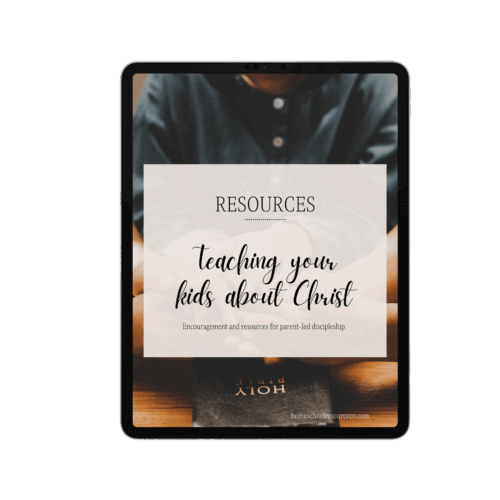
Resource List for Teaching Kids about Christ
These tools and resources are great ways to help wrap your children up in the Lord in all areas of their lives; worldview, education, friendships, discipleship, and more!


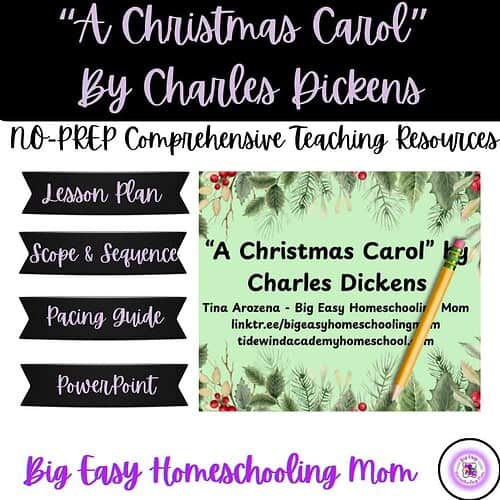
NO-PREP Comprehensive Teaching Resource on “A Christmas Carol”
A complete NO-PREP Comprehensive Teaching Resource for “A Christmas Carol” by Charles Dickens, featuring a lesson plan, scope & sequence, pacing guide, information on symbolism, and PowerPoint presentation. Ideal forhigh school students
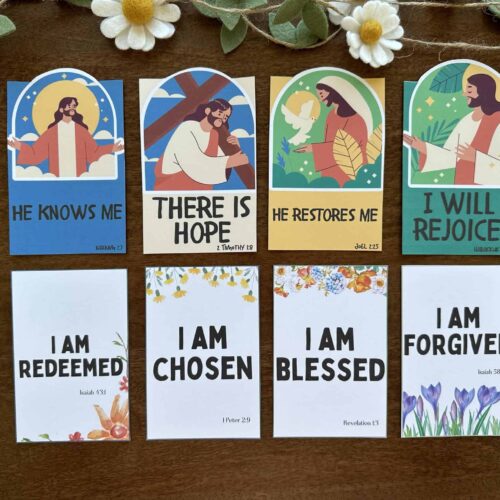

Biblical Affirmation Cards for Families
Help your family stay rooted in Christ with these Biblical Affirmation Cards. Each card features uplifting Bible verses and art to affirm your child’s identity in Christ.
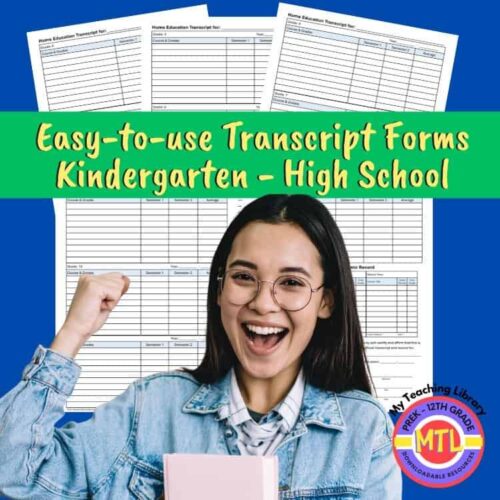
Transcript Forms | Home Education – Homeschooling
Easy-to-use transcript forms for recording keeping (Kindergarten through High School).
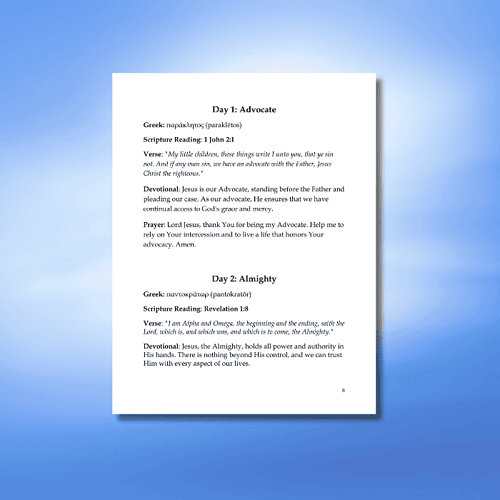

100 Names of Jesus Christ: A Devotional and Prayer Book
Each day in “100 Names of Jesus Christ: A Devotional and Prayer Book” is designed to provide a focused, reflective experience centered on one of the names of Jesus. The day begins with the presentation of the…
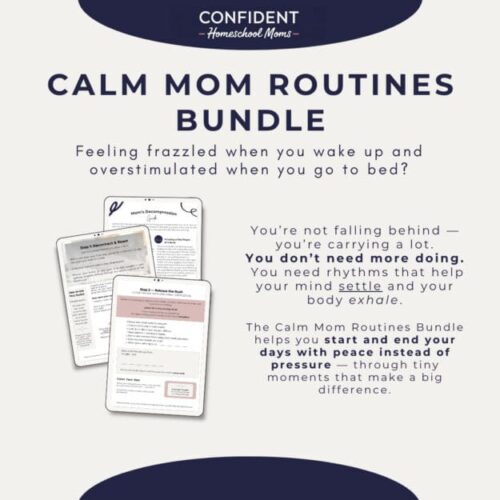
Calm Mom Routines Bundle for Homeschool Moms
Feeling frazzled when you wake up and overstimulated when you go to bed? You don’t need stricter routines or earlier alarms — you need tiny rhythms that help your nervous system feel safe again. The…

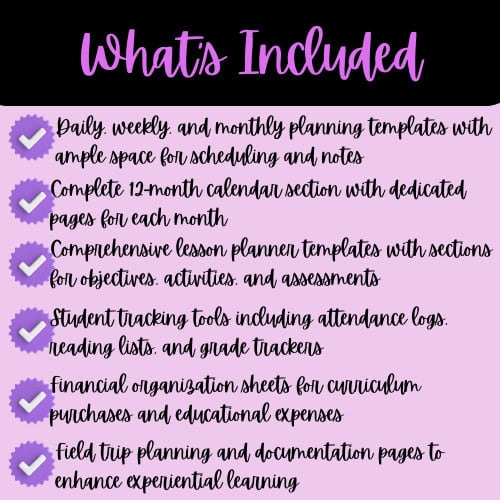
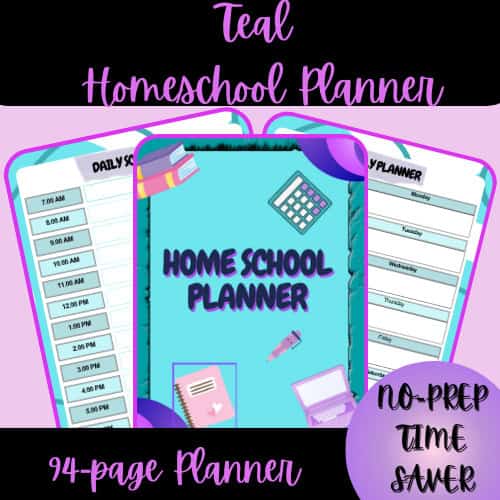
Teal Homeschool Planner (90+ pages)
The Teal Homeschool Planner offers 90+ printable pages including scheduling templates, lesson planners, student tracking, and goal-setting tools to organize your entire homeschool year while reducing planning stress and documenting educational progress.
Morning Routine for Homeschool Moms
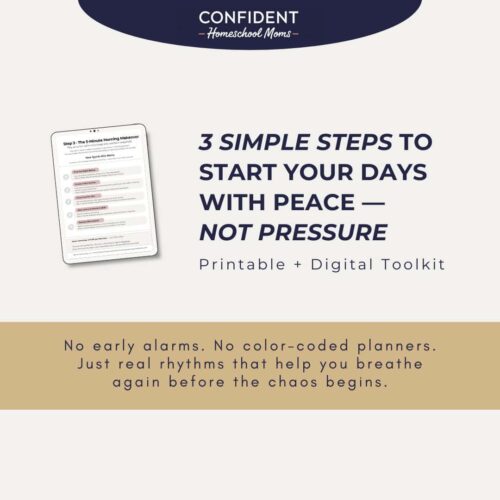
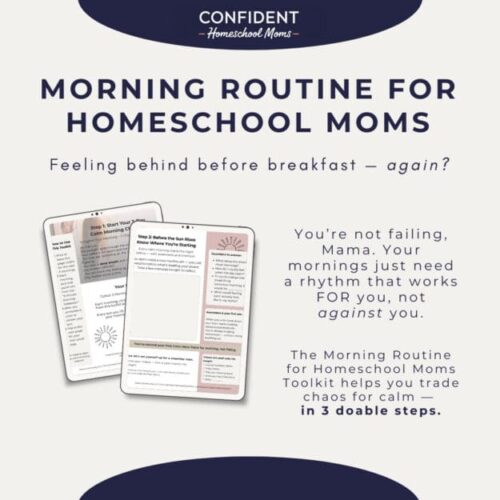
Feeling behind before breakfast — again? This 3-step quick-win toolkit helps you reset your mornings with simple prompts, doable habits, and real-life tools that actually fit homeschool life. You’ll find calm before the chaos —…
NO-PREP Teaching Resource on The History of Thanksgiving
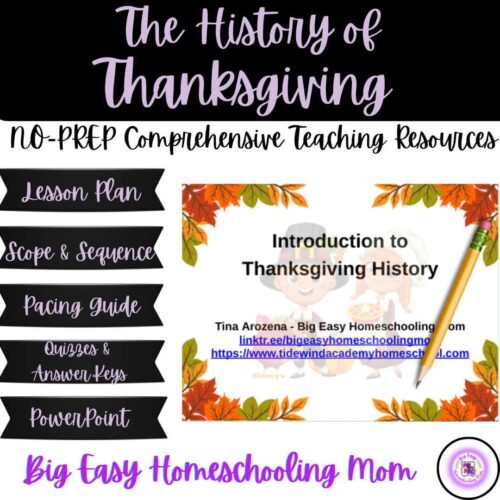
This NO-PREP Comprehensive Teaching Resource on The History of Thanksgiving includes a lesson plan, scope and sequence, pacing guide, four quizzes with answer keys, and a detailed PowerPoint presentation. Everything you need for a comprehensive…
Reviews
There are no reviews yet.