❤️ Supporting homeschool families and individual content creators.


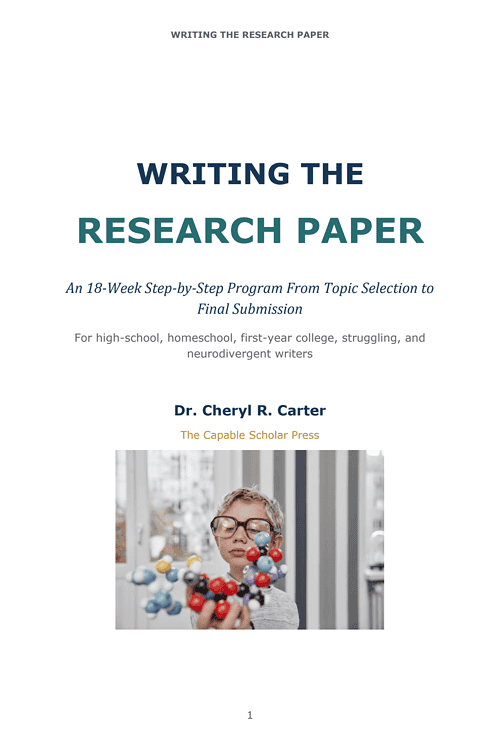
WRITING THE RESEARCH PAPER An 18-Week Step-by-Step Program
$29.97
Help students master academic research writing through this structured 18-week, step-by-step program. From choosing a research topic and evaluating credible sources to developing a thesis, organizing evidence, citing references, and revising a final paper, students learn to manage every stage of the research process.…
Help students master academic research writing through this structured 18-week, step-by-step program. From choosing a research topic and evaluating credible sources to developing a thesis, organizing evidence, citing references, and revising a final paper, students learn to manage every stage of the research process. Designed for high school and college students, this resource includes practical strategies and built-in supports for struggling and neurodivergent writers.
Page count: 56 pages
Highlights
- Grade
- 9-12, High School (9-12)
- Homeschool Style
- Eclectic
- Parent Involvement
- Guided
- Product Format
- Digital Download, PDF
- Resource Type
- Supplemental
- Worldview
- Neutral Worldview
- AI Use
- Seller-created
Seller-created resource. The creator made this resource themselves. Any AI use was limited to brainstorming, outlining, spell-check or light editing.

Description
WRITING THE RESEARCH PAPER
An 18-Week Step-by-Step Program From Topic Selection to Final Submission
For High School, Homeschool, First-Year College, Struggling, and Neurodivergent Writers
A research paper should not begin with a blank document, an approaching deadline, and a student who has no idea what to do first.
Many students are assigned research papers before they have been explicitly taught how to choose a manageable topic, develop a research question, evaluate sources, take organized notes, create a thesis, integrate evidence, cite information, and revise a long academic project.
Writing the Research Paper is a practical 18-week, step-by-step program that breaks the research process into clear, manageable stages. Students complete one meaningful task at a time while gradually building a well-supported final paper.
Instead of waiting until the final week to discover major problems, students receive structure, practice, and opportunities for feedback throughout the entire process.
From Overwhelmed to Organized
The phrase “write a research paper” can feel like one enormous assignment. This program helps students see it as a sequence of achievable decisions:
- Understand the assignment.
- Explore possible topics.
- Select a focused subject.
- Develop a research question.
- Locate credible sources.
- Read strategically.
- Take organized notes.
- Refine the question.
- Develop a working thesis.
- Group evidence into meaningful categories.
- Plan the paper.
- Draft one section at a time.
- Integrate quotations and paraphrases.
- Cite sources accurately.
- Revise ideas and organization.
- Edit sentences and documentation.
- Proofread the final paper.
- Submit and reflect.
This structure reduces procrastination and gives students a clear next step each week.
Students Learn How to:
- Understand the purpose of academic research
- Interpret a research-paper assignment
- Choose an interesting and manageable topic
- Move from a broad subject to a focused question
- Develop open-ended research questions
- Create useful search terms
- Use library databases and credible websites
- Distinguish scholarly, popular, and reference sources
- Evaluate an author’s expertise, evidence, purpose, date, and potential bias
- Recognize weak, misleading, or unreliable sources
- Read difficult sources strategically
- Annotate and summarize key ideas
- Take notes without copying
- Separate source material from personal thinking
- Organize digital and printed research
- Avoid accidental plagiarism
- Paraphrase accurately
- Summarize responsibly
- Select and integrate direct quotations
- Introduce, cite, and explain evidence
- Develop a clear working thesis
- Create a flexible outline
- Write focused body paragraphs
- Connect evidence to the paper’s central claim
- Use transitions to guide the reader
- Write an effective introduction and conclusion
- Address counterarguments when appropriate
- Use MLA or APA documentation
- Create a Works Cited or References page
- Revise, edit, proofread, and format the final paper
Research Is More Than Collecting Information
Students often believe a research paper is a collection of facts from several sources. This program teaches them that meaningful research begins with a question and develops through investigation, interpretation, and synthesis.
Students learn to ask:
- What am I trying to understand?
- What do credible sources say?
- Where do the sources agree or disagree?
- What patterns appear across the research?
- What evidence best answers my question?
- What conclusion can I support?
- What limitations or unanswered questions remain?
These questions move students beyond copying information and toward genuine academic thinking.
A Manageable 18-Week Process
Each week focuses on a specific stage of the research process. Students complete small assignments that become part of the final paper.
The program can support research papers in:
- English and literature
- History
- Psychology
- Sociology
- Education
- Government
- Environmental studies
- Health
- Science
- Business
- Theology
- Current issues
- Interdisciplinary studies
Teachers and parents can adjust the topic, paper length, number of sources, and citation style to match the student’s grade level and course requirements.
Especially Helpful for Struggling and Neurodivergent Writers
Long-term writing projects require planning, organization, working memory, time management, sustained attention, and flexible thinking. Students may understand their topic but still struggle to manage the process.
This program is designed to support students who:
- Have ADHD
- Have dyslexia or another learning difference
- Experience writing anxiety
- Struggle with executive functioning
- Become overwhelmed by large assignments
- Procrastinate because they do not know how to begin
- Lose track of sources and notes
- Copy too closely when paraphrasing
- Have difficulty organizing ideas
- Need explicit models and repeated practice
- Write better when assignments are divided into smaller steps
- Need support moving from research to original analysis
Helpful adaptations may include:
- Visual timelines
- Weekly checklists
- Short work sessions
- Topic menus
- Guided research questions
- Note-taking templates
- Color-coded source cards
- Speech-to-text
- Text-to-speech
- Oral rehearsal
- Graphic organizers
- Individual conferences
- Flexible intermediate deadlines
These supports maintain academic expectations while making the process more accessible.
Prevent Plagiarism Through Better Instruction
Students do not always plagiarize intentionally. They may copy because they do not understand the source, cannot remember where an idea came from, or have never been taught how to paraphrase and document information.
The program helps students develop ethical research habits from the beginning by teaching them to:
- Record citation information immediately
- Label quotations clearly
- Distinguish summaries, paraphrases, and personal ideas
- Close the source before drafting a paraphrase
- Compare the paraphrase with the original
- Cite ideas as well as exact words
- Use quotations selectively
- Explain how evidence supports the paper
- Maintain an organized source record
Academic integrity becomes part of the research process rather than a warning delivered just before submission.
Responsible Use of Artificial Intelligence
Students also need guidance for using AI and digital writing tools responsibly.
This program encourages students to follow the policies of their school, teacher, college, or program and to avoid submitting generated writing as their own. AI tools should never replace reading sources, evaluating evidence, developing a claim, or producing original analysis.
When permitted, students may use technology for limited support such as:
- Brainstorming search terms
- Creating planning questions
- Checking clarity
- Identifying possible organizational problems
- Generating practice examples
- Supporting proofreading
Students should verify all information, protect private data, disclose required assistance, and remain responsible for every claim and citation in the final paper.
Writing Support at Every Stage
The program emphasizes that revision is not merely correcting grammar.
Students revise in layers:
- Research Question: Is the paper answering a focused and meaningful question?
- Claim: Is the thesis clear, supportable, and appropriately qualified?
- Evidence: Are sources credible, relevant, and accurately represented?
- Analysis: Does the writer explain why the evidence matters?
- Organization: Do sections and paragraphs follow a logical progression?
- Source Integration: Are quotations, summaries, and paraphrases introduced and cited?
- Style: Is the writing clear, concise, and appropriate for an academic audience?
- Editing: Are grammar, punctuation, documentation, and formatting correct?
This layered approach helps students concentrate on the most important problems first.
Perfect For
- High school English
- Homeschool writing
- First-year college composition
- Research-writing courses
- College-preparatory programs
- Homeschool co-ops
- Tutoring
- Academic coaching
- Summer bridge programs
- Dual-enrollment students
- First-generation college students
- Students with ADHD
- Neurodivergent writers
- Struggling writers
- Independent study
- Writing intervention
- First-year seminars
Build Skills That Extend Beyond One Paper
Research writing teaches students how to ask questions, locate information, judge credibility, organize evidence, communicate responsibly, and support conclusions. These skills are essential for college, employment, civic participation, and informed decision-making.
The goal is not simply to help students survive one research assignment. It is to give them a process they can use whenever they face a complex academic project.
With clear stages, realistic deadlines, ethical research practices, and consistent support, students can move from uncertainty to a final paper they understand, can defend, and are proud to submit.
One question. One source. One paragraph. One manageable step at a time.
Additional information
| Grade | |
|---|---|
| Homeschool Style | |
| Parent Involvement | |
| Product Format | |
| Resource Type | |
| Worldview | |
| AI Use | Seller-created |
Only logged in customers who have purchased this product may leave a review.
Vendor Information
- Store Name: The Capable Scholar/ Collegiate Learning
- Vendor: The Capable Scholar/ Collegiate Learning
- No ratings found yet!
-

Using It Now: Real Life Algebra
Help students build confidence in algebra by connecting math concepts to real-life situations through storytelling. Using It Now: Real Life Algebra makes abstract math more relatable and engaging, especially for students who enjoy reading but…

-
Life Logic: Building Clear Thinking and Moral Reasoning for Today — A Timely Cur
Help students develop critical thinking, ethical reasoning, and confident decision-making with Life Logic, an engaging curriculum for Grades 8–12 and beyond. Through real-world scenarios, historical examples, thought-provoking discussions, and practical activities, students learn to evaluate…
-
The Capable Writer: For Students Who Know What They Want to Say but Can’t
The Capable Writer Method is a practical, encouraging guide for parents, tutors, homeschool educators, and teachers supporting students who have wonderful ideas but struggle to put them on paper. Written by Dr. Cheryl R. Carter,…
-
Stop Fighting the Textbook: Ways for Teens to Learn Difficult Material
Help teens discover more effective ways to learn difficult subjects without relying entirely on traditional textbooks. This practical guide introduces alternative learning strategies such as videos, audiobooks, visual notes, graphic organizers, hands-on activities, and retrieval…
-
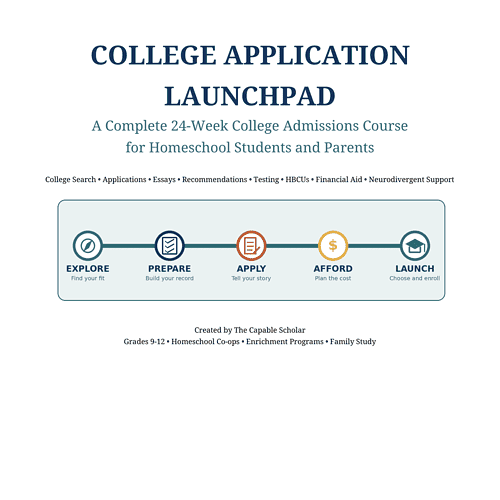
COLLEGE APPLICATION LAUNCHPAD A Complete 24-Week College Admissions Course
COLLEGE APPLICATION LAUNCHPAD Prepare your homeschool student for college with this comprehensive 24-week college admissions course for Grades 9–12. Designed for students and parents, this course breaks the college application process into manageable weekly lessons…
-
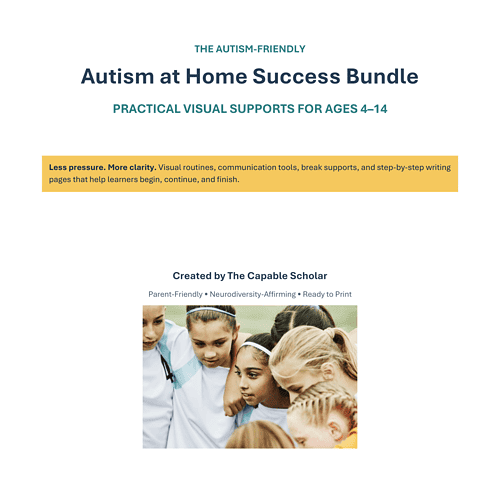
The Autism at Home Success Bundle
The Autism at Home Success Bundle Support everyday routines, communication, learning, and independence with this 83-page collection of printable visual supports and practical tools for autistic children ages 4–14. Created for parents, homeschool families, special…

DIGITAL PRODUCT REFUNDS
Digital products are not applicable for refunds. Any purchase of a digital product (audio, video, course, download, printable, etc.) is final because we cannot revoke your access to digital content.
PHYSICAL PRODUCT REFUNDS
- This is a multivendor marketplace. As such, each store owner maintains their own refund policy. When purchasing from one of our vendors, you should reach out to them directly to address product concerns. Each of our vendors has their contact information in their store profiles.
- Should you have an issue with a product, please email the store owner directly using the owner information found in their store.
- If you have a problem with an item and are not receiving an appropriate answer from a vendor, please contact our site at [email protected] to escalate the issue.
- Homeschool Resource Co. is not able to troubleshoot our vendor’s products as we do not own them. However, we can reach out to the store manager on your behalf.
Related products
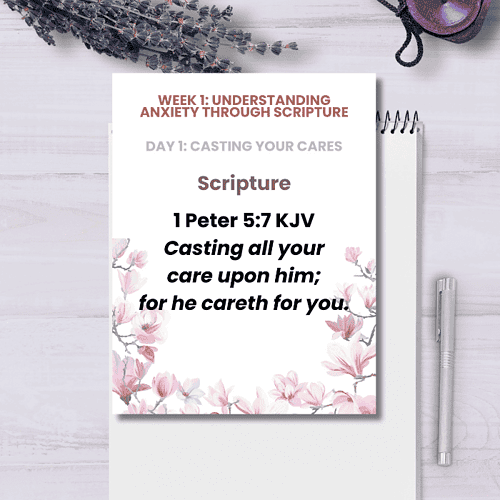
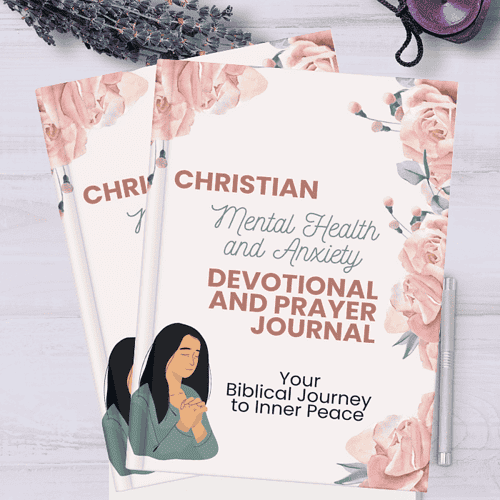
Christian Mental Health and Anxiety Devotional and Prayer Journal
This Christian Mental Health and Anxiety Devotional and Prayer Journal is designed to guide you on a transformative journey towards inner peace and resilience through faith. Each day offers biblical insights, reflective devotions, heartfelt prayers,…

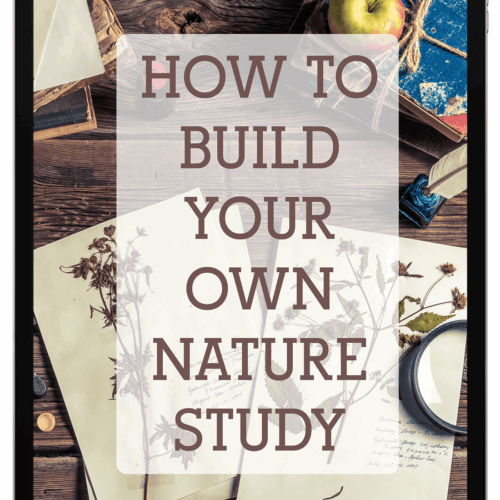
Build Your Own Nature Study
Build Your Own Nature Study will inspire you and provide you with the tools and resources to create your very own nature study adventures. By delving into the wonders of the natural world, your children…

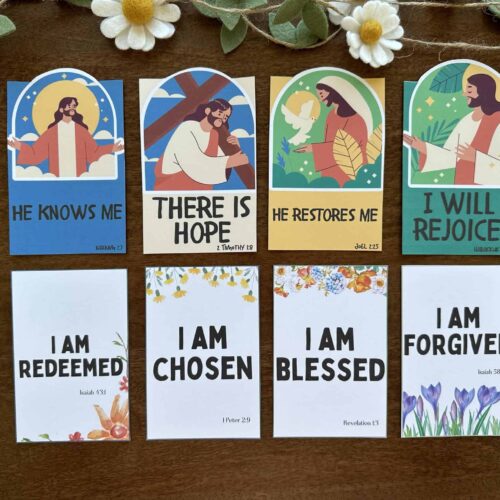
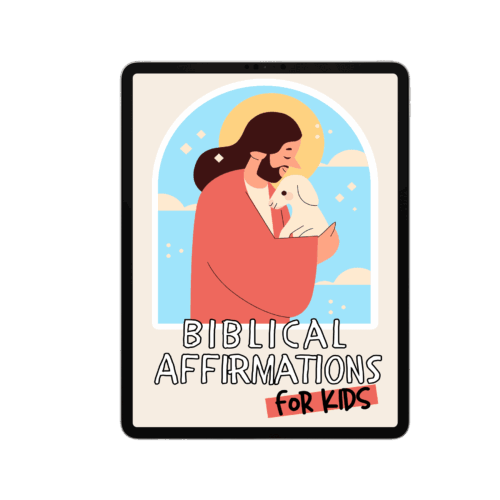
Biblical Affirmation Cards for Families
Help your family stay rooted in Christ with these Biblical Affirmation Cards. Each card features uplifting Bible verses and art to affirm your child’s identity in Christ.
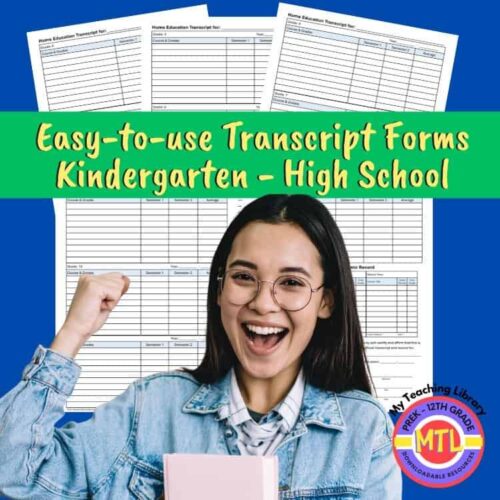
Transcript Forms | Home Education – Homeschooling
Easy-to-use transcript forms for recording keeping (Kindergarten through High School).
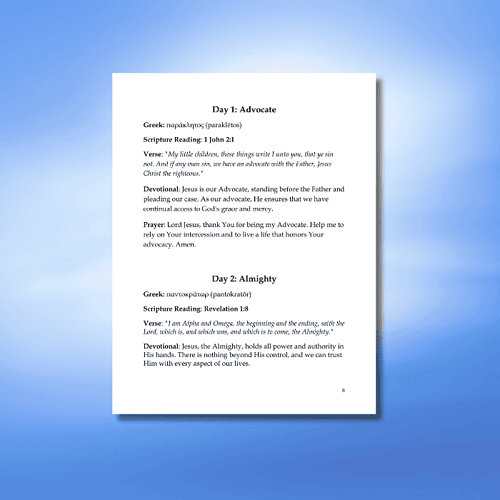
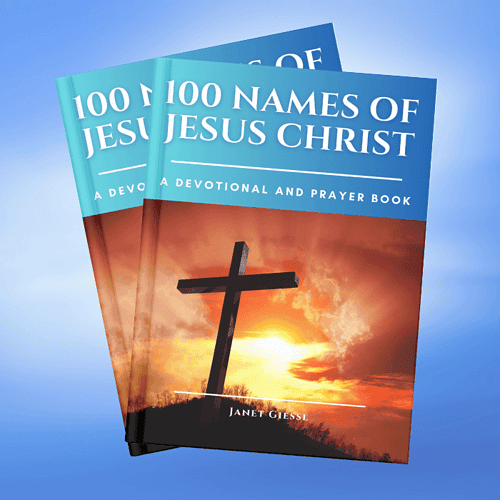
100 Names of Jesus Christ: A Devotional and Prayer Book
Each day in “100 Names of Jesus Christ: A Devotional and Prayer Book” is designed to provide a focused, reflective experience centered on one of the names of Jesus. The day begins with the presentation of the…


Yellow Homeschool Planner (90+ pages)
The Yellow Homeschool Planner offers 90+ printable pages including scheduling templates, lesson planners, student tracking, and goal-setting tools to organize your entire homeschool year while reducing planning stress and documenting educational progress.

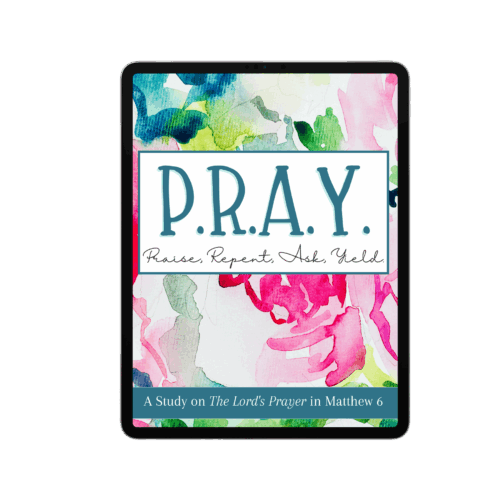
P.R.A.Y. Study for Adults
When should we pray? How should we pray? Why do we pray? Answer these questions, and so many more, through this P.R.A.Y. Study for Adults using the P.R.A.Y. acronym.


Green Homeschool Planner (90+ pages)
The Green Homeschool Planner offers 90+ printable pages including scheduling templates, lesson planners, student tracking, and goal-setting tools to organize your entire homeschool year while reducing planning stress and documenting educational progress.

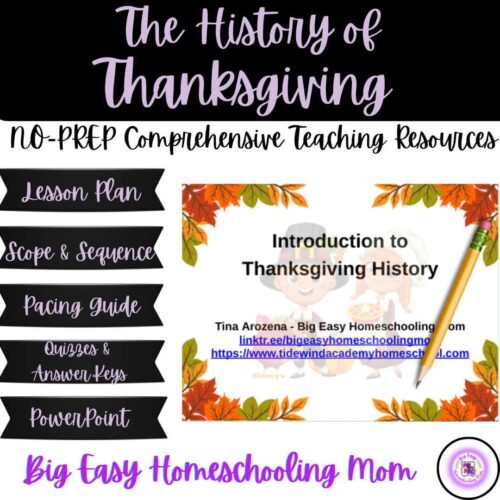
NO-PREP Teaching Resource on The History of Thanksgiving
This NO-PREP Comprehensive Teaching Resource on The History of Thanksgiving includes a lesson plan, scope and sequence, pacing guide, four quizzes with answer keys, and a detailed PowerPoint presentation. Everything you need for a comprehensive…
Reviews
There are no reviews yet.