

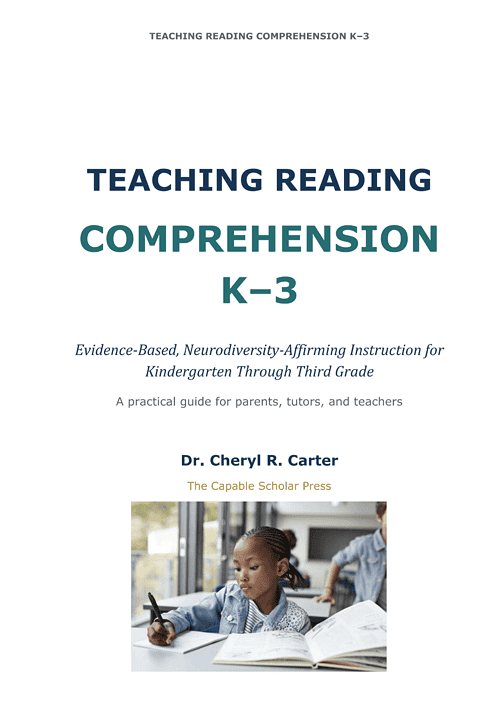
Teaching Reading Comprehension K-3
$22.97
TEACHING READING COMPREHENSION K–3
Help young learners develop stronger reading comprehension with this practical, neurodiversity-affirming guide for Kindergarten through Grade 3.
Designed for parents, tutors, and teachers, this resource provides evidence-informed strategies for teaching vocabulary, predictions, sequencing, retelling, main idea, inferences, cause and effect, summarizing, and more. It includes flexible ways for children to demonstrate understanding through speaking, drawing, movement, acting, writing, and other responses.
The guide also shows adults how to use read-alouds, think-alouds, guided practice, discussion, and gradual support to build confident, independent readers.
Perfect for homeschool, tutoring, reading intervention, special education, small groups, literacy centers, and classroom instruction.
Give young readers the tools to understand, discuss, and connect with what they read. Get Teaching Reading Comprehension K–3 and bring meaningful comprehension instruction into your lessons.
Page count: 44 pages
- Grade
- 1-5, PreK, 1st, 2nd, 3rd, 4th, 5th
- Homeschool Style
- Eclectic
- Parent Involvement
- Guided
- Product Format
- Resource Type
- Supplemental
- Worldview
- Neutral Worldview

Description
TEACHING READING COMPREHENSION K–3
Evidence-Based, Neurodiversity-Affirming Instruction for Kindergarten Through Third Grade
A Practical Guide for Parents, Tutors, and Teachers
Reading comprehension begins long before children can read an entire book independently.
Young learners build comprehension when they listen to stories, discuss ideas, develop vocabulary, connect events, make predictions, retell important information, and explain their thinking. Yet many children are asked comprehension questions without first being explicitly taught how understanding works.
Teaching Reading Comprehension K–3 gives parents, tutors, and teachers a practical framework for helping young children understand, remember, discuss, and respond to what they read and hear.
This guide moves beyond repeatedly asking, “What happened in the story?” It shows adults how to model comprehension strategies, think aloud, provide appropriate support, and gradually help children become more independent readers and thinkers.
Comprehension and Word Reading Work Together
Strong reading instruction should not force families and educators to choose between phonics and comprehension.
Children need explicit instruction in foundational reading skills, including phonemic awareness, decoding, and fluency. They also need rich language experiences, vocabulary, background knowledge, meaningful discussion, and frequent opportunities to make sense of text.
This resource helps adults teach comprehension alongside—not instead of—systematic foundational reading instruction.
Skills and Strategies Include
- Listening comprehension
- Oral language development
- Vocabulary instruction
- Building background knowledge
- Previewing a book or passage
- Using titles, illustrations, and text features
- Setting a purpose for reading
- Making and revising predictions
- Asking and answering questions
- Identifying characters and setting
- Recognizing problems and solutions
- Sequencing important events
- Retelling a story
- Identifying the main idea
- Locating supporting details
- Making inferences
- Drawing simple conclusions
- Understanding cause and effect
- Comparing and contrasting
- Recognizing an author’s purpose
- Distinguishing fiction from informational text
- Visualizing
- Making meaningful connections
- Summarizing
- Monitoring understanding
- Repairing confusion
- Responding through speaking, drawing, acting, and writing
Evidence-Informed Instruction Made Practical
This guide translates important principles of reading development into manageable teaching practices.
Parents, tutors, and teachers learn how to:
- Model thinking with short, clear think-alouds
- Teach one strategy at a time
- Use explicit instruction
- Provide guided practice
- Ask questions at different levels of complexity
- Build knowledge before introducing difficult texts
- Teach vocabulary before, during, and after reading
- Select age-appropriate fiction and informational texts
- Use discussion to deepen understanding
- Support retelling and summarizing
- Check comprehension without turning every reading experience into a test
- Gradually release responsibility to the child
- Observe progress and adjust instruction
Neurodiversity-Affirming and Strengths-Based
Children do not all demonstrate comprehension in the same way. A child may understand a story but struggle to sit still, answer quickly, write a complete response, organize a retelling, or explain ideas in the format an adult expects.
This guide encourages adults to separate comprehension from the method used to demonstrate it.
Children may show understanding through:
- Oral responses
- Drawings
- Story maps
- Sequencing cards
- Acting and movement
- Puppets
- Building models
- Selecting pictures
- Dictating answers
- Writing short responses
- Using speech-to-text
- Creating simple presentations
These options maintain meaningful learning expectations while reducing unnecessary barriers.
Especially Helpful for Children With:
- ADHD
- Dyslexia
- Autism
- Language-processing differences
- Speech and language needs
- Working-memory challenges
- Executive-function difficulties
- Anxiety
- Delayed reading development
- Strong listening comprehension but weak decoding
- Strong decoding but weak comprehension
The goal is not to “fix” the child. The goal is to identify barriers, provide effective instruction, build on strengths, and help every learner access meaningful reading experiences.
Appropriate for Kindergarten Through Third Grade
The guide recognizes that reading instruction should look different across the early elementary years.
- Kindergarten: oral language, listening comprehension, story structure, vocabulary, sequencing, and discussion
- First grade: supported retelling, prediction, main idea, basic inference, and comprehension of decodable and read-aloud texts
- Second grade: stronger use of details, text evidence, cause and effect, comparison, vocabulary, and informational text
- Third grade: increasingly independent comprehension, summarizing, inference, text structure, written responses, and deeper discussion
Activities can be adjusted according to a child’s reading ability, language
development, attention, and background knowledge—not merely chronological age.
Use Read-Alouds to Build Knowledge
Children should not be limited to the ideas contained in books they can decode independently.
Reading aloud allows adults to introduce:
- Rich vocabulary
- Complex sentence structures
- Science and social-studies knowledge
- Diverse characters and experiences
- Interesting historical topics
- Humor, poetry, and imaginative language
- Books above the child’s independent reading level
Read-aloud discussion gives children access to sophisticated ideas while their word-reading skills are still developing.
Practical, Engaging Activities
Comprehension practice can be active, enjoyable, and meaningful through:
- Picture walks
- Prediction games
- Story-sequencing races
- Character interviews
- Puppet retellings
- Story maps
- Beginning-middle-end activities
- Mystery inference bags
- Vocabulary acting
- Cause-and-effect matching
- Draw-what-you-heard activities
- Main-idea sorting
- Compare-and-contrast games
- Informational-text scavenger hunts
- Build-the-setting challenges
- Oral storytelling
- Reader’s theater
- Comprehension conversations
These activities help young learners participate without depending entirely on worksheets or lengthy written answers.
Perfect For
- Homeschool families
- Kindergarten through third-grade classrooms
- Reading intervention
- Tutoring
- Special-education instruction
- Literacy centers
- Small-group reading
- Read-aloud lessons
- Summer learning
- After-school programs
- Homeschool co-ops
- Parents supporting reading at home
- Children with learning differences
- Reluctant or developing readers
Help Children Become Active Meaning Makers
The goal of reading is not simply to pronounce the words correctly. Children read to understand ideas, enter stories, learn about the world, ask questions, and communicate what they have discovered.
When adults explicitly model comprehension and give children many ways to participate, young readers begin to understand that confusion is not failure. It is a signal to slow down, ask a question, reread, look for clues, or request support.
Give children more than comprehension questions. Give them the strategies, language, knowledge, encouragement, and confidence they need to become thoughtful readers.
Teach children not only how to read the words—but how to build meaning from them.
Additional information
| Grade | |
|---|---|
| Homeschool Style | |
| Parent Involvement | |
| Product Format | |
| Resource Type | |
| Worldview |
Only logged in customers who have purchased this product may leave a review.
Vendor Information
- Store Name: The Capable Scholar/ Collegiate Learning
- Vendor: The Capable Scholar/ Collegiate Learning
- No ratings found yet!
-

READ, THINK & DO Autism-Friendly Reading Activities Kindergarten–Grade 5
READ, THINK & DO Autism-Friendly Reading Activities K–5 Make reading comprehension more accessible and engaging for autistic and neurodivergent learners with 30 low-clutter reading activities for Kindergarten through Grade 5. Each activity includes a short…

-
Autism Writing Success: An 18-Week Multisensory Writing Curriculum
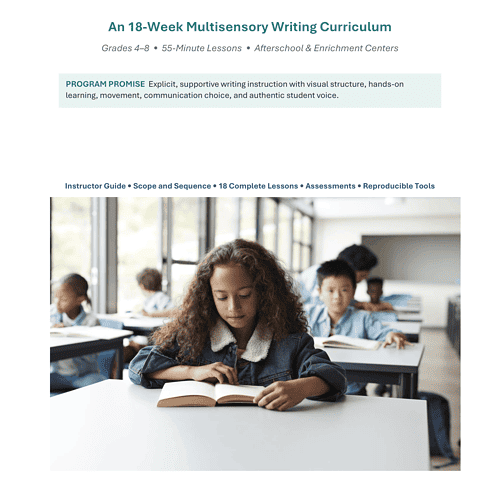
AUTISM WRITING SUCCESS: GRADES 4–8 Build stronger, more confident writing skills with this 18-week multisensory writing curriculum designed for autistic and neurodivergent learners. The curriculum includes 18 complete 55-minute lessons with predictable routines, visual modeling,…
-
The Autism at Home Success Bundle
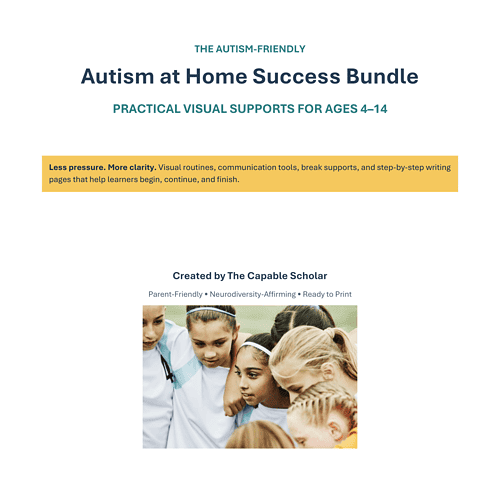
The Autism at Home Success Bundle Support everyday routines, communication, learning, and independence with this 83-page collection of printable visual supports and practical tools for autistic children ages 4–14. Created for parents, homeschool families, special…
DIGITAL PRODUCT REFUNDS
Digital products are not applicable for refunds. Any purchase of a digital product (audio, video, course, download, printable, etc.) is final because we cannot revoke your access to digital content.
PHYSICAL PRODUCT REFUNDS
- This is a multivendor marketplace. As such, each store owner maintains their own refund policy. When purchasing from one of our vendors, you should reach out to them directly to address product concerns. Each of our vendors has their contact information in their store profiles.
- Should you have an issue with a product, please email the store owner directly using the owner information found in their store.
- If you have a problem with an item and are not receiving an appropriate answer from a vendor, please contact our site at [email protected] to escalate the issue.
- Homeschool Resource Co. is not able to troubleshoot our vendor’s products as we do not own them. However, we can reach out to the store manager on your behalf.
Related products

Ultimate Bible Study Guides Bundle for Kids
The Ultimate Bible Study Guides Bundle includes 5 different studies to help encourage your kids to study their Bible. Use them individually, or combine them to make your own study!


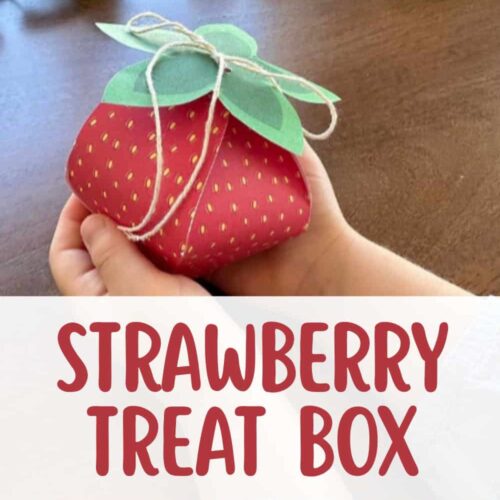
DIY Strawberry Paper Box Printable – Cute Fruit Treat Box Template, Summer Party Favor Box, Kids Craft Activity, Gift Box Download
Sweeten up your party favors with this adorable DIY Strawberry Paper Box Printable! 🍓 This easy-to-make paper craft is perfect for birthdays, summer parties, classroom treats, or just a fun kids’ activity. Simply download, print,…

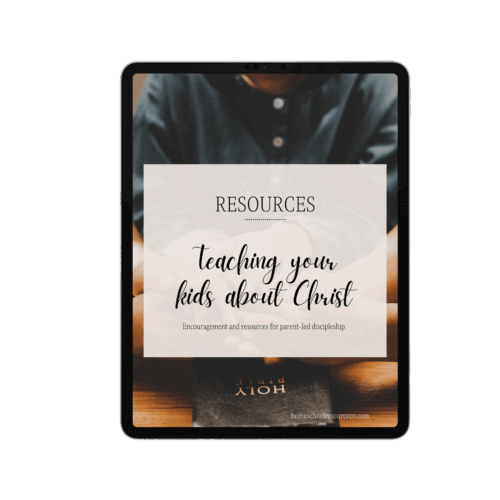
Resource List for Teaching Kids about Christ
These tools and resources are great ways to help wrap your children up in the Lord in all areas of their lives; worldview, education, friendships, discipleship, and more!
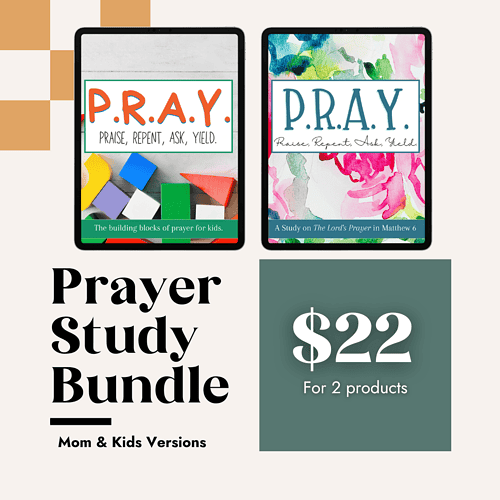
P.R.A.Y. Study Bundle
When should we pray? How should we pray? Why do we pray? Answer these questions, and so many more, through this prayer study bundle for adults with a companion study for Kids.
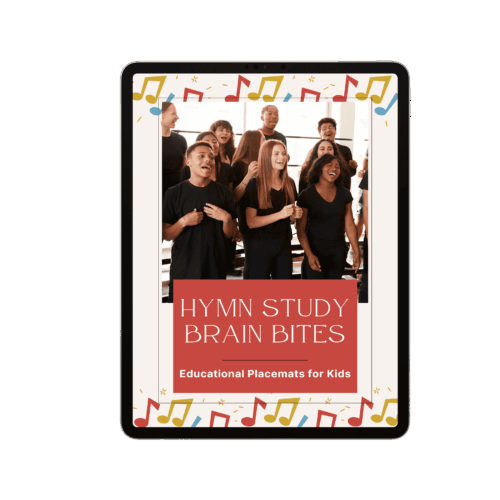
Hymn Brain Bites
Our Hymn Brain Bites Placemats will help you introduce your children to the history and lyrics of classic and timeless hymns around your dinner table.
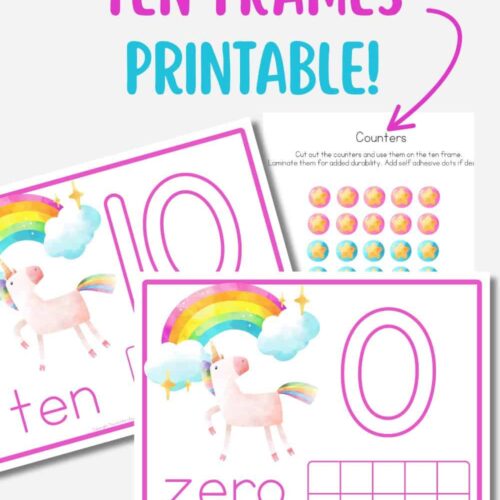
Unicorn Rainbow Ten Frame Printable – Counting Math Activity with Counters for Kids, Preschool & Homeschool Number Practice
Make math fun with this Unicorn Rainbow Ten Frame! 🦄🌈 Perfect for preschoolers, kindergarteners, and early elementary kids, this printable counting activity helps little learners practice numbers, subitizing, and one-to-one correspondence… all while having fun…
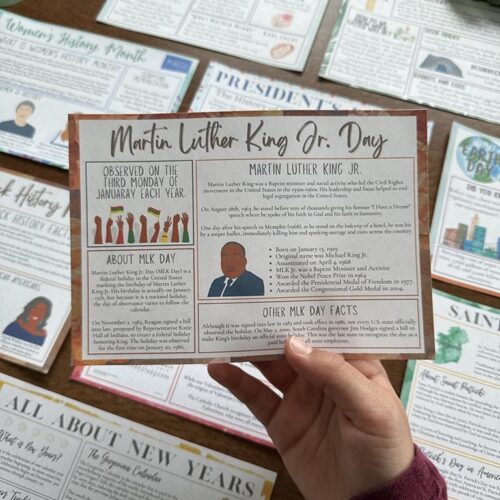
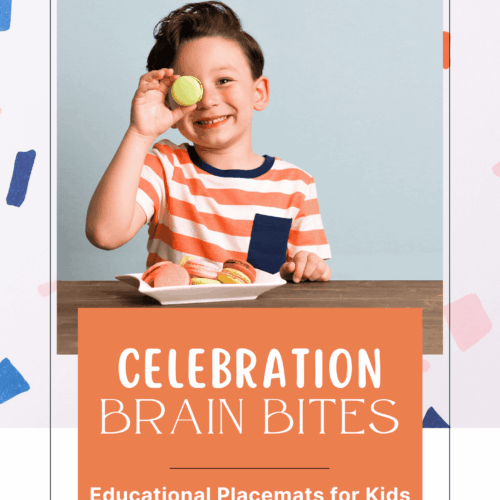
Celebration & Holiday Brain Bites
The Celebration and Holiday Brain Bites includes 21 pages of educational placemats that cover at least one holiday in each month of the year to learn in your homeschool.
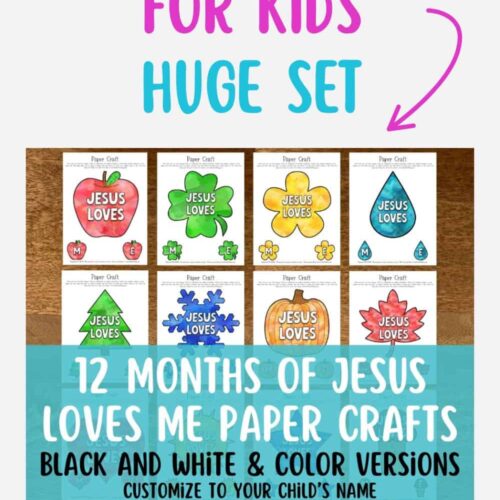
12 Months Jesus Loves Me Paper Crafts, CUSTOMIZE to child’s name! Coloring Page and Colored Version, PDF, Sunday School Printable, Preschool
The Art Kit’s “12 Months of Jesus Loves Me Paper Crafts” is a great way to remind your child that Jesus loves them! Create personalized mobiles with your child’s name or simply use the letters…

Ten Frames Printable, Fish Math Resources for Counting, Teacher Tools, Homeschool Activities, Digital Downloads, Aquarium Printable Kids
Make math fun with this Fish Ten Frame! 🐟🫧 Perfect for preschoolers, kindergarteners, and early elementary kids, this printable counting activity helps little learners practice numbers, subitizing, and one-to-one correspondence… all while having fun with…
Reviews
There are no reviews yet.