❤️ Supporting homeschool families and individual content creators.



CM-Style: Addictive Game Design 9+
$8.75
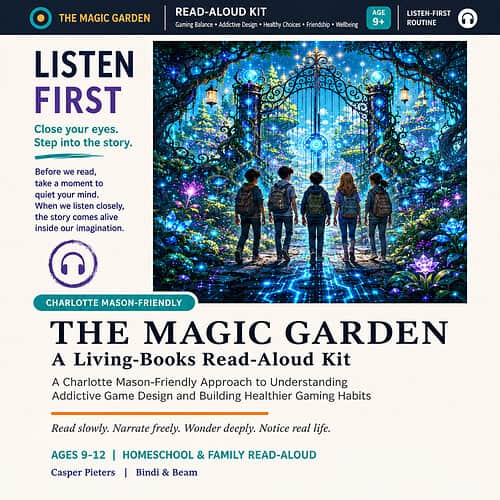
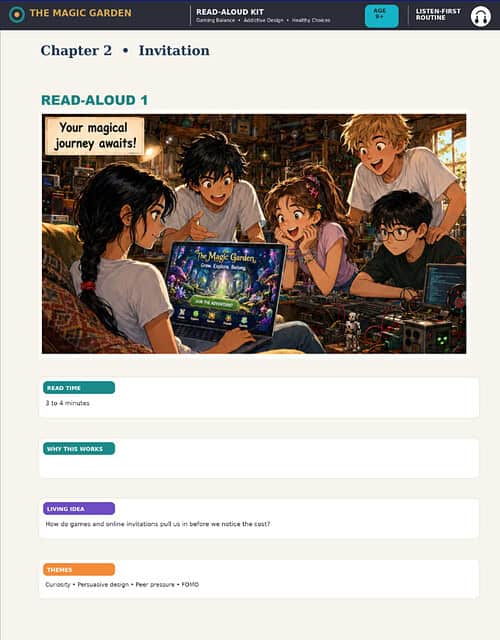
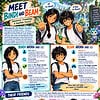
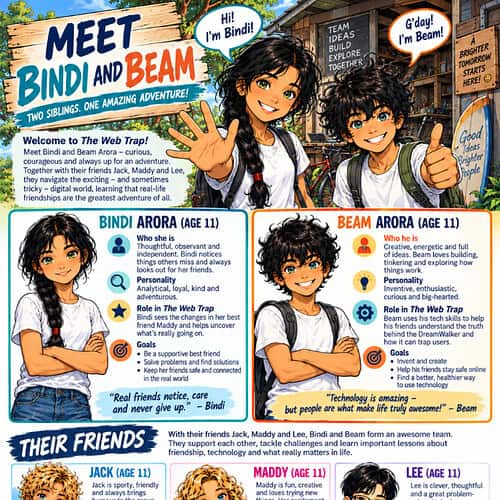
The Magic Garden Read-Aloud Living Book Edition is a story-led learning resource for homeschool families who want to help children aged about 9–12 understand persuasive game design, screen balance, and healthier digital habits without turning the topic into a lecture. Through Bindi, Beam, and their friends’ magical gaming…
The Magic Garden Read-Aloud Living Book Edition is a story-led learning resource for homeschool families who want to help children aged about 9–12 understand persuasive game design, screen balance, and healthier digital habits without turning the topic into a lecture. Through Bindi, Beam, and their friends’ magical gaming adventure, children explore rewards, peer pressure, self-control, friendship, and the difficulty of knowing when to stop. Gentle read-aloud prompts encourage narration, discussion, creativity, and real-world reflection in a Charlotte Mason-friendly way.
Page count: 58 pages
Highlights
- Grade
- 5th, 6th, 7th
- Homeschool Style
- Charlotte Mason
- Parent Involvement
- Collaborative (Parent Guided)
- Product Format
- Digital Download
- Worldview
- Neutral Worldview
- Resource Type
- Core, Lesson, Supplemental
- AI Use
- AI-assisted
AI-assisted resource. The creator used AI tools for parts of this resource, then reviewed, edited and shaped the final product.
“My intuition leads. AI helps me explore. I decide what gets published. As an edufiction author, I use AI to research, challenge assumptions, discover unexpected connections and sometimes find better words for my ideas. My stories begin with human curiosity and imagination, while AI helps me explore possibilities I might otherwise overlook. I question its answers, verify important facts and retain creative control. My approach is simple: Think First, AI Second. I use technology to extend my thinking, never to replace it. And that's what I hope to teach my young readers.” — Storywise Learning

Description
A Story-Led Adventure into Gaming, Balance, and Better Digital Choices
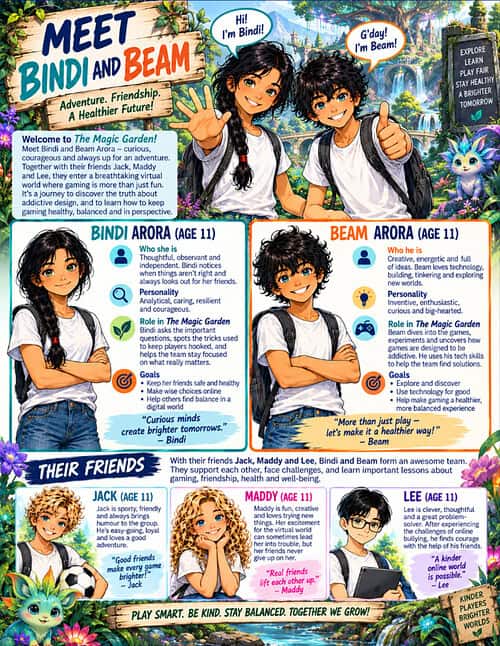
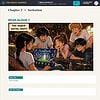
What if the most magical game you had ever played seemed to know exactly what would keep you coming back? When Bindi, Beam, Maddy, Jack, and Lee receive an invitation to enter The Magic Garden, they discover a breathtaking metaverse filled with enchanted forests, dangerous creatures, hidden treasure, mysterious rewards, and seemingly endless adventure. At first, it feels like the perfect game. But as the friends are drawn deeper into its world, excitement begins to overpower judgement, time becomes difficult to track, and walking away becomes far harder than they expected. Behind the magic lies a more important question:
What happens when a game is deliberately designed to keep us playing?
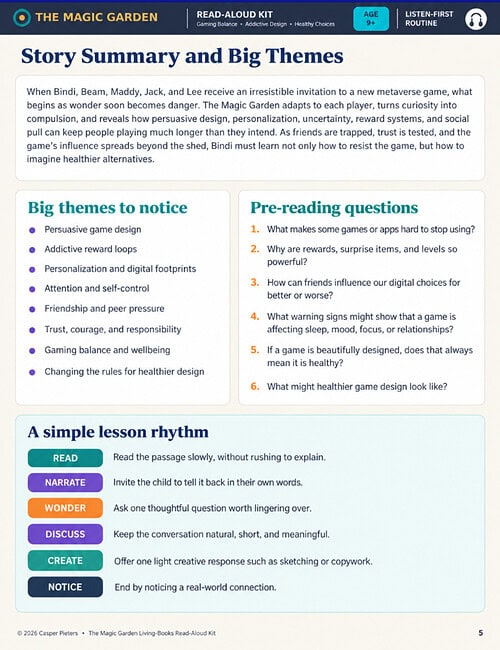
The Magic Garden Read-Aloud Living Book Edition turns this adventure into a thoughtful, story-first exploration of persuasive game design, addictive reward loops, personalization, attention, self-control, friendship, digital wellbeing, and healthier gaming choices. Rather than beginning with warnings or rules, children first experience the problem alongside the characters. They see temptation, excitement, mistakes, consequences, courage, and friendship unfold naturally through the story.
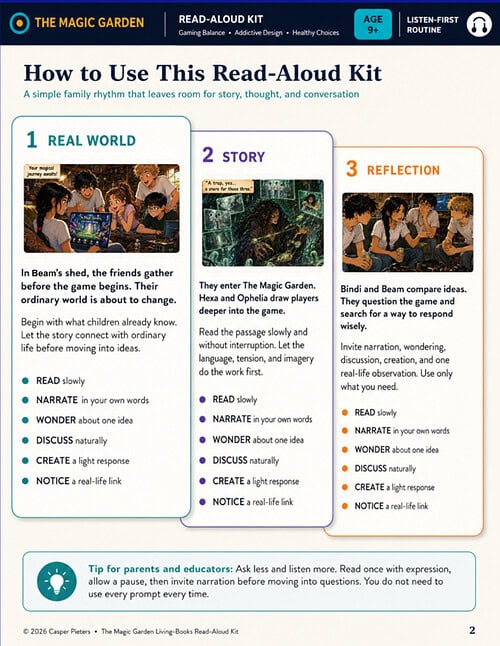
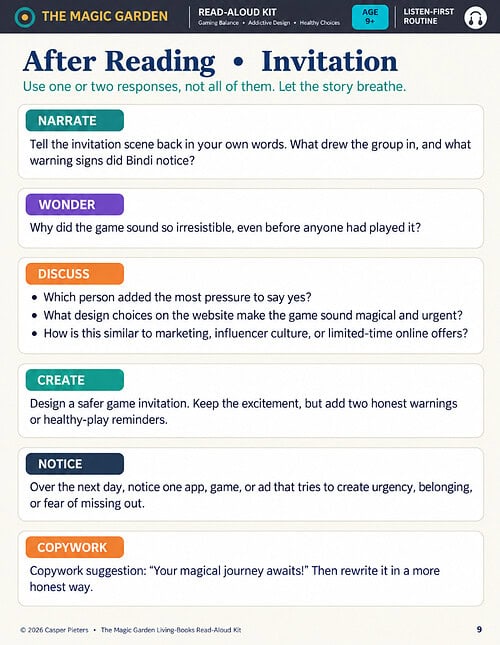
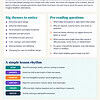
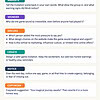
Designed primarily for readers aged approximately 9–12, families, homeschoolers, librarians, and educators, this edition follows a Charlotte Mason-friendly Living Books approach. Selected read-aloud passages are paired with gentle opportunities to, READ, NARRATE, WONDER, DISCUSS, CREATE, and NOTICE, helping children form their own ideas before adults step in to explain them.
Learners are encouraged to retell what happened in their own words, wonder about character choices, discuss the design features they notice, create healthier alternatives, and connect the story to their own experiences with games and technology. The emphasis is not on worksheets, lectures, or fear of gaming. It is on developing judgement, curiosity, self-awareness, and the ability to recognize when technology is serving the player and when the player may be serving the technology.
Through key episodes from the adventure, young readers explore questions such as:
- Why are rewards, surprises, levels, virtual currency, and limited-time offers so compelling?
- How can games use personalization and digital footprints to shape the experience around individual players?
- Why can excitement make warning signs easier to ignore?
- How do friendship and peer pressure affect the choices we make?
- When does “just one more level” become difficult to resist?
- Can games remain exciting while also supporting healthier habits?
- What responsibility do designers have when creating systems intended to hold attention?
As the story develops, Bindi and her friends begin to recognize how reward systems, feedback loops, progressive challenges, cliffhangers, personalization, virtual currency, and other design features can keep players engaged. Instead of simply condemning these techniques, the children eventually ask a more constructive question:
Could games be redesigned to support wellbeing as well as enjoyment?
Their ideas include meaningful break reminders, health-aware challenges, hydration prompts, movement goals, and features that help players remain aware of their own limits. The Read-Aloud Living Book Edition is designed to be flexible. A family might read a passage together over several evenings. A homeschool parent might build discussion and creative work around one chapter. A librarian could use a selected scene to open a conversation about gaming habits. An educator might use the story as a springboard into digital citizenship, wellbeing, persuasive design, or responsible technology use.
At its heart, The Magic Garden does not argue that gaming is bad. The characters love adventure, imagination, challenge, creativity, and technology. The deeper lesson is that young people can learn to enjoy digital experiences while still protecting their health, relationships, attention, judgement, and connection with the real world. Because the most powerful magic is not staying inside the game. It is learning when to play, when to question, when to change the rules and when to step away.
Additional information
| Grade | |
|---|---|
| Homeschool Style | |
| Parent Involvement | |
| Product Format | |
| Worldview | |
| Resource Type | |
| AI Use | AI-assisted |
Only logged in customers who have purchased this product may leave a review.
Vendor Information
- Store Name: Storywise Learning
- Vendor: Storywise Learning
- No ratings found yet!
-

Brain Rot! Persuasive technology mini-unit
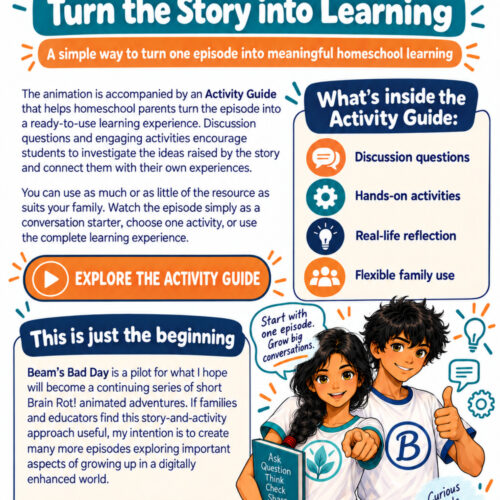
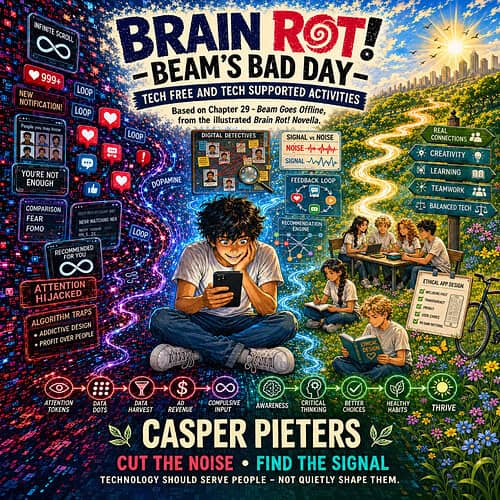
Brain Rot! – Beam’s Bad Day is a story-led digital citizenship learning resource for ages 11–14 that combines a short animated episode with discussion, investigation, and creative activities. Through Beam’s experience with the fictional app…

-
The Web Trap – AI Literacy Unit
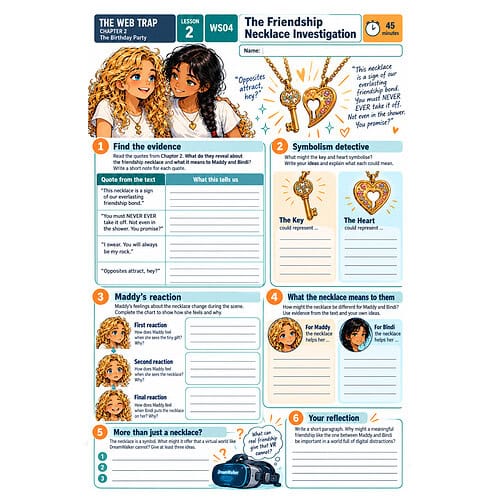
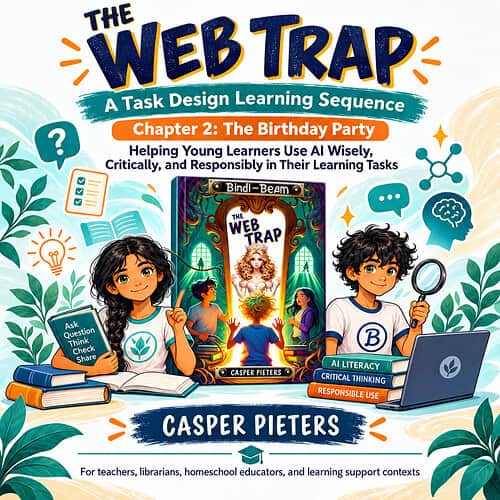
Think First. AI Second. Using the adventures of The Web Trap to teach young learners how to investigate, question, reason and make independent decisions—with AI supporting their thinking, never replacing it.
-
CM-style Unit: Persuasive Tech
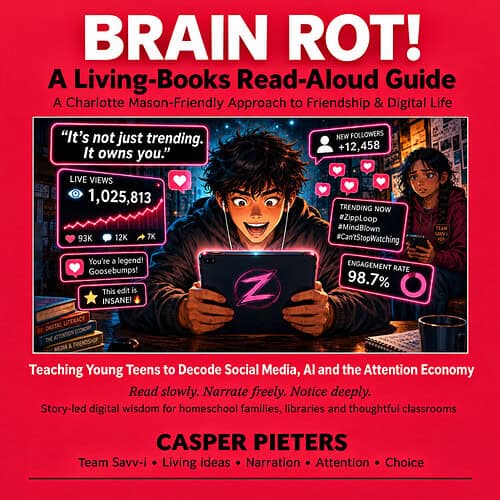
Brain Rot! Read-Aloud Living-Books Edition is a story-first learning experience for ages 11+ that helps young people explore social media, persuasive technology, AI, attention, and digital wellbeing through the adventures of Team Savv-i. Selected read-aloud…
-
CM-Style: Cyberbullying 9+
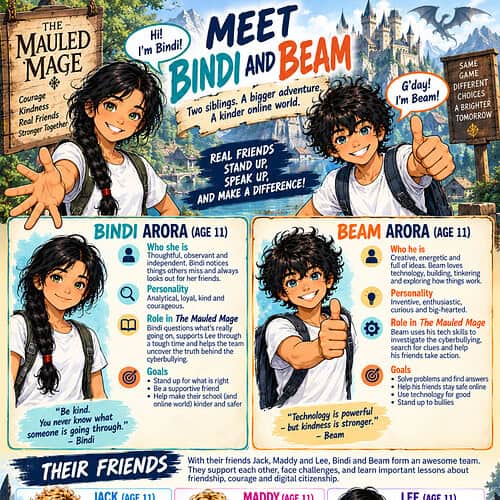
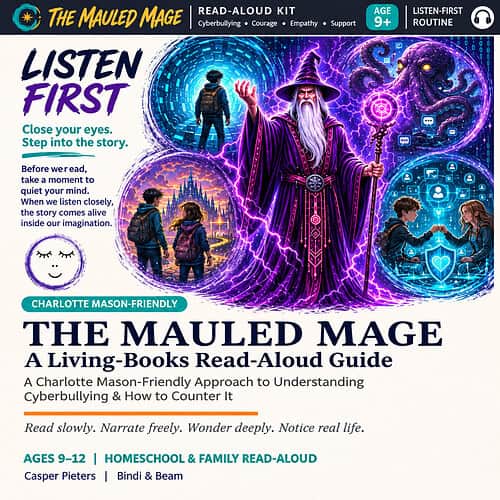
The Mauled Mage Read-Aloud Living Book Edition turns cyberbullying into a compelling, story-led learning experience for children aged approximately 9–12. Through Beam, Bindi, Lee, and their friends, young readers explore courage, empathy, friendship, trust, accountability,…
-
Story-led Unit on Persuasive Tech 11+
The Brain Rot! 5-Day Mini-Unit Pack is a ready-to-use, story-led learning experience for young teens aged 11–14. Through the adventures of Team Savv-i, learners investigate persuasive technology, social media hooks, algorithms, usage data, the attention…
-
CM-Style: Tech Obsession 9+
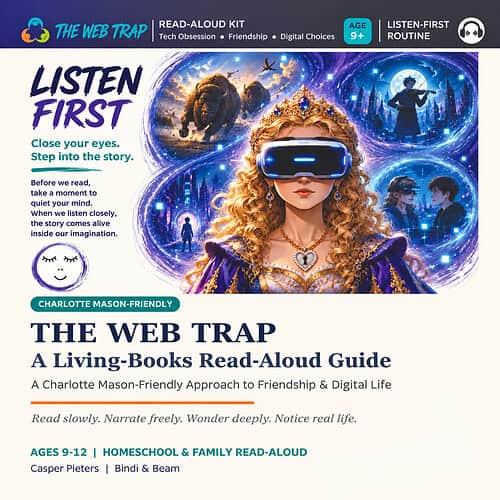
A Charlotte Mason-Friendly Read-Aloud for Understanding Screen Obsession and Building Healthier Digital Habits Step into The Web Trap—a story-led Living Books read-aloud adventure that helps children explore screen obsession, virtual escapism, friendship, and healthy digital…
DIGITAL PRODUCT REFUNDS
Digital products are not applicable for refunds. Any purchase of a digital product (audio, video, course, download, printable, etc.) is final because we cannot revoke your access to digital content.
PHYSICAL PRODUCT REFUNDS
- This is a multivendor marketplace. As such, each store owner maintains their own refund policy. When purchasing from one of our vendors, you should reach out to them directly to address product concerns. Each of our vendors has their contact information in their store profiles.
- Should you have an issue with a product, please email the store owner directly using the owner information found in their store.
- If you have a problem with an item and are not receiving an appropriate answer from a vendor, please contact our site at [email protected] to escalate the issue.
- Homeschool Resource Co. is not able to troubleshoot our vendor’s products as we do not own them. However, we can reach out to the store manager on your behalf.
Related products


Pink Homeschool Planner (90+ pages)
The Pink Homeschool Planner offers 90+ printable pages including scheduling templates, lesson planners, student tracking, and goal-setting tools to organize your entire homeschool year while reducing planning stress and documenting educational progress.


NO-PREP Teaching Resources Understanding the U.S. Presidential Election
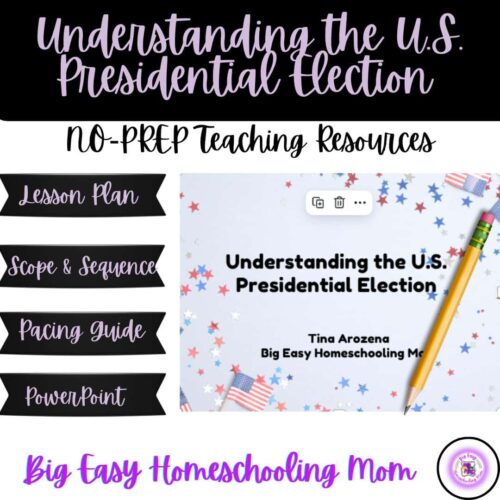
Comprehensive 2-week detailed lesson plan, with a detailed two-week scope and sequence, and PowerPoint presentation NO-PREP Teaching Resources on Understanding the U.S. Presidential Election. Ideal for upper middle to high school students.
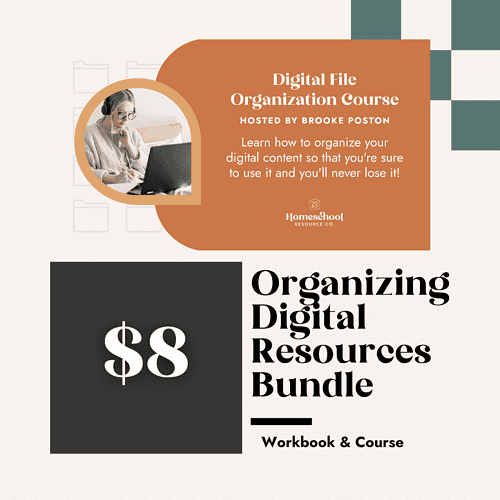
Organizing Digital Resources Bundle
Learn how to organize your digital resources to best utilize them in your homeschool. Bonus content includes how to use Google Classroom and Homeschool Planet for planning.

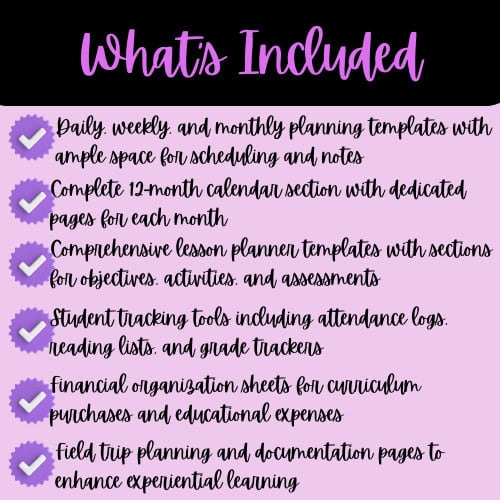
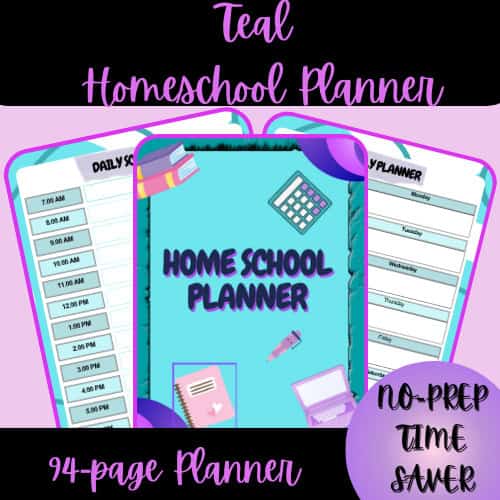
Teal Homeschool Planner (90+ pages)
The Teal Homeschool Planner offers 90+ printable pages including scheduling templates, lesson planners, student tracking, and goal-setting tools to organize your entire homeschool year while reducing planning stress and documenting educational progress.
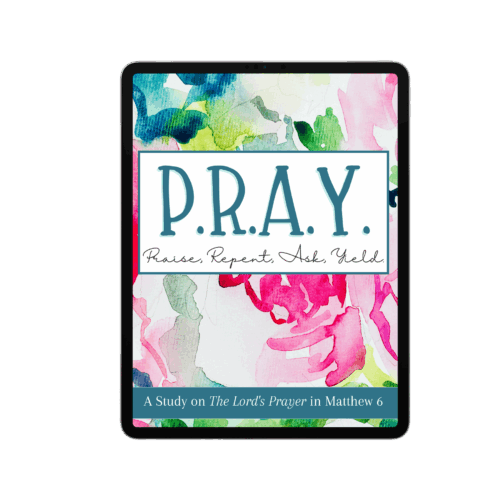
P.R.A.Y. Study for Adults
When should we pray? How should we pray? Why do we pray? Answer these questions, and so many more, through this P.R.A.Y. Study for Adults using the P.R.A.Y. acronym.
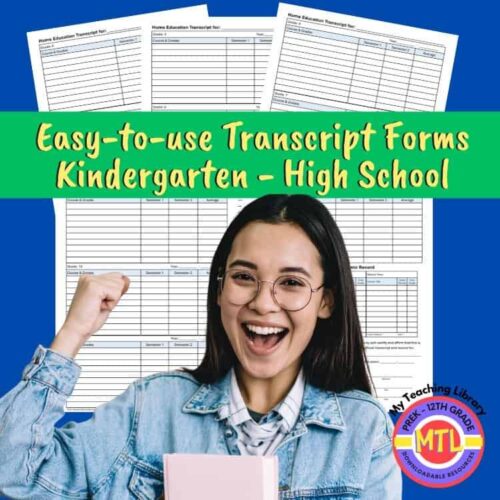
Transcript Forms | Home Education – Homeschooling
Easy-to-use transcript forms for recording keeping (Kindergarten through High School).


Purple Homeschool Planner (90+ pages)
The Purple Homeschool Planner offers 90+ printable pages including scheduling templates, lesson planners, student tracking, and goal-setting tools to organize your entire homeschool year while reducing planning stress and documenting educational progress.
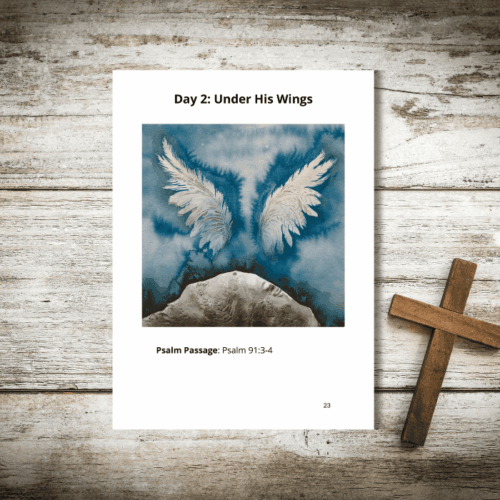

Healing the Soul: A Devotional Journey Through the Psalms
Healing the Soul: A Devotional Journey Through the Psalms is a deeply transformative 30-day devotional designed to guide you through emotional and spiritual healing using the powerful words of the Psalms. Whether you are struggling with…

Read Through the Bible in a Year Chronological Guide
Our Chronological Read Through the Bible in a Year Plan helps you to read relating scriptures in the Bible as they happen in history so that it helps reflect an accurate account of time.
Reviews
There are no reviews yet.