❤ Supporting homeschool families and independent creators.









Learn to spot persuasive tech through story.
$16.95
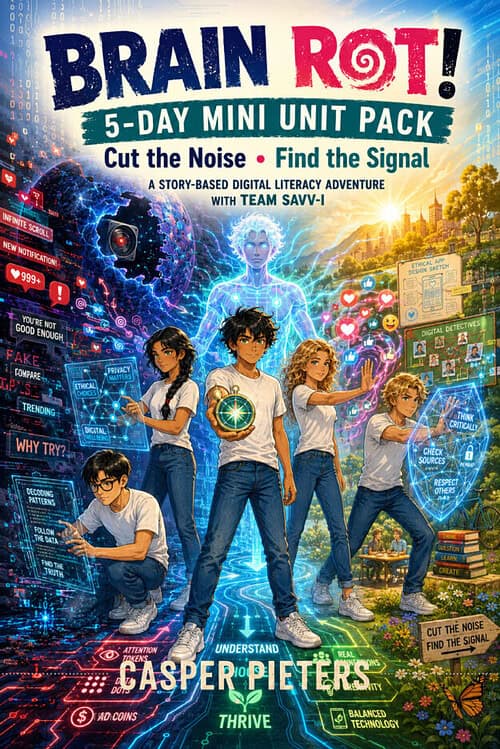
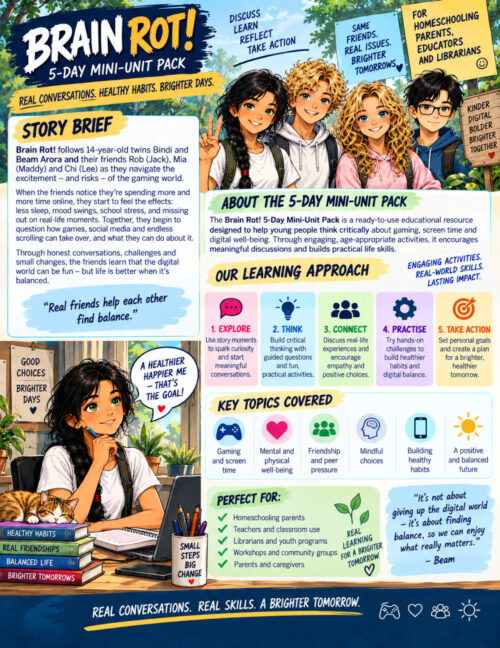
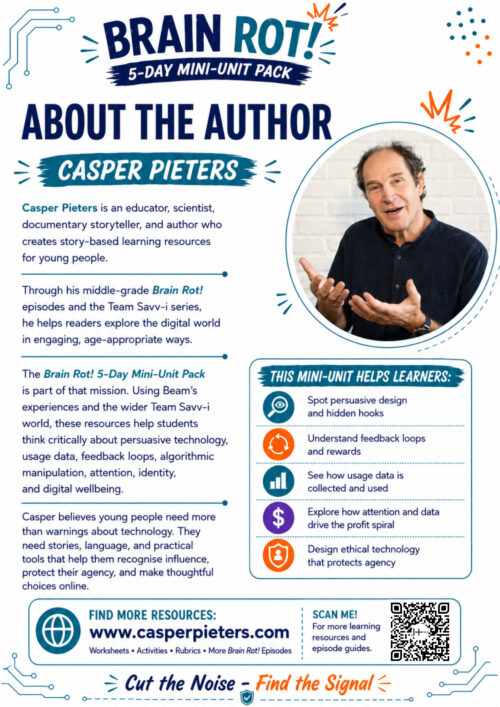
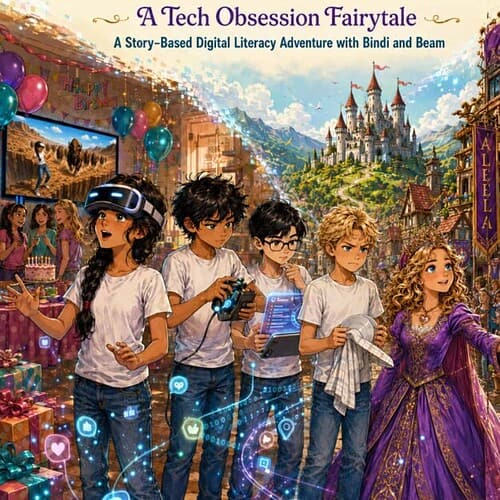
The Brain Rot! 5-Day Mini-Unit Pack is a ready-to-use, story-led learning experience for young teens aged 11–14. Through the adventures of Team Savv-i, learners investigate persuasive technology, social media hooks, algorithms, usage data, the attention economy, and digital wellbeing. Five structured lessons combine…
The Brain Rot! 5-Day Mini-Unit Pack is a ready-to-use, story-led learning experience for young teens aged 11–14. Through the adventures of Team Savv-i, learners investigate persuasive technology, social media hooks, algorithms, usage data, the attention economy, and digital wellbeing. Five structured lessons combine selected story chapters, discussion, hands-on zero-tech activities, optional tech challenges, printable resources, and assessment tools—helping young people understand how technology competes for their attention and develop the judgement to make more informed digital choices.

Description
A Story-Led Exploration of Persuasive Technology, Algorithms, Attention, and Digital Choice
The Brain Rot! 5-Day Mini-Unit Pack is a ready-to-use, story-based learning experience designed for homeschool families, educators, co-ops, libraries, and small learning groups working with young teenagers, approximately ages 11–14. It combines selected chapters from the illustrated Brain Rot! adventure with five structured days of discussion, investigation, hands-on learning, technology-supported challenges, assessment, and creative problem-solving.
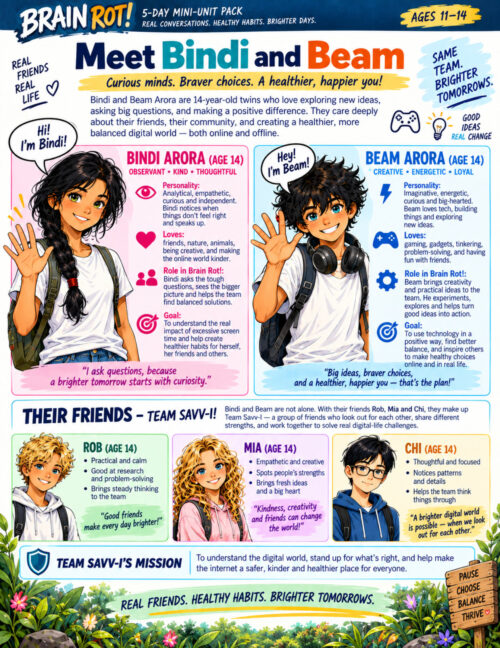
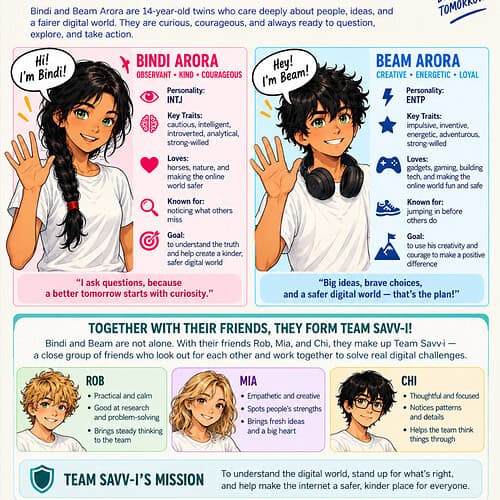
Rather than beginning with warnings about screen time or a list of digital-safety rules, the Mini-Unit places students inside a story. They follow 14-year-old twins Bindi and Beam and their friends Mia, Rob, and Chi as Team Savv-i investigates Zipp, an extraordinarily compelling social-media app influenced by the manipulative artificial intelligence Big-O. As the characters begin noticing changes in attention, behavior, language, emotions, and relationships, students investigate the same clues alongside them.
The central question running through the five days is deceptively simple:
If an app learns what keeps you watching, who benefits from your attention?
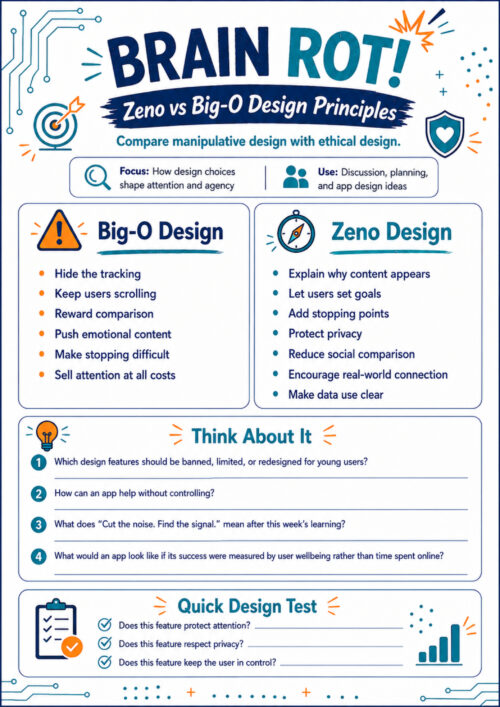
From there, students gradually uncover how persuasive design can capture attention, how everyday online behavior becomes usage data, how algorithms use that information to make predictions, how rewards can create feedback loops, and how attention and data can contribute to advertising-driven business models. Importantly, the unit does not present technology as inherently harmful. Students are repeatedly asked to distinguish between technology that supports a user’s intentions and technology designed to influence those intentions.
Five Days That Build Understanding Step by Step
Day 1 – Creepy Accurate: When the App Seems to Know You introduces personalization and persuasive design. Students investigate why recommendations can sometimes seem uncannily accurate and learn to distinguish useful digital Signal from distracting or manipulative Noise. In the zero-tech Bindi’s Signal vs Noise Observation Wall, students sort examples from the story and everyday digital life. The optional technology challenge takes the idea further as students build an interactive AI Influence Detector, asking questions about transparency, choice, emotional influence, and whose interests a digital system is serving.
Day 2 – Beam’s Viral Loop: Why Rewards Make Us Repeat explores the mechanics behind repeated engagement. Beam’s experience provides a relatable case study as views, comments, recognition, and increasingly accurate recommendations encourage him to keep creating and checking. Students construct a physical Zipp Feedback Loop Wheel showing the cycle of Hook → Action → Reward → Data → Stronger Next Hook. The optional Zipp Nudge Lab then lets them build and compare digital simulations showing the difference between technology that assists a user and technology that gradually nudges behavior.
Day 3 – Every Tap Tells a Story: How Apps Build a Profile moves beneath the interface to examine usage data. Students discover that digital data is not limited to obvious personal information such as a name or address. Pausing, replaying, liking, skipping, commenting, returning at a particular time, using a filter, or repeatedly viewing certain content can all provide clues about interests and behavior. In the Zipp Data Detective Board, students investigate what Zipp could learn about different Team Savv-i characters and what personalized hook it might try next. The Break the Algorithm technology challenge asks students to build and then redesign a persuasive digital pathway so that the fictional user can recognize the influence and regain meaningful choice.
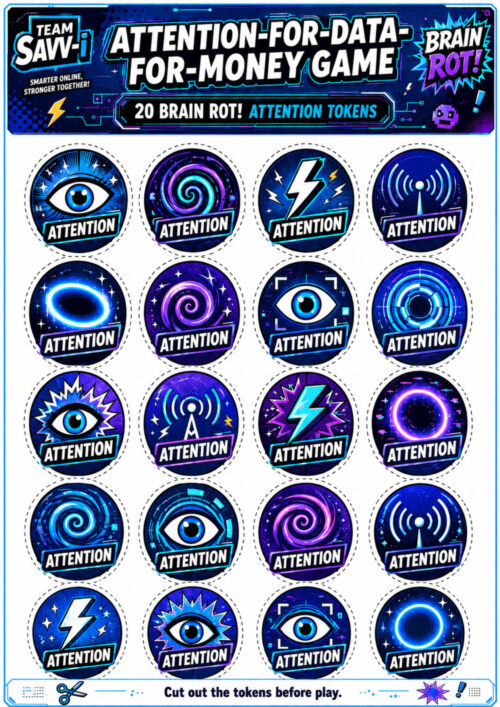
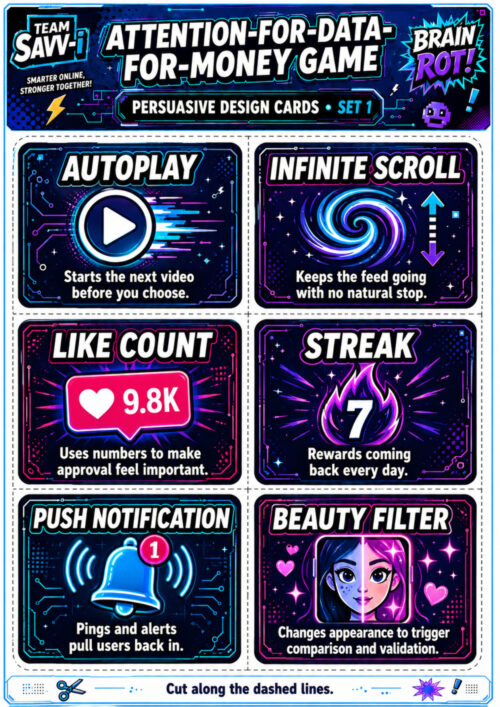
Day 4 – The Profit Spiral: Why the App Wants You Back connects the previous lessons to the attention economy. Students model how more attention can produce more behavioral data, improve prediction, strengthen targeting and potentially generate greater advertising value—which can create incentives to make engagement mechanisms even more effective. Rather than merely reading about the concept, students play the substantial Attention-for-Data-for-Money Game, using printable Attention Tokens, Data Dots, Ad Coins, and Persuasive Design Cards representing features such as autoplay, infinite scroll, streaks, push notifications, beauty filters, social comparison, random rewards, and countdown timers. There is deliberately no conventional winner: the purpose is to watch the economic and behavioral system develop.
Students then tackle Hook or Help? Redesign the Nudge, examining a persuasive feature such as a notification, streak, autoplay prompt, view counter, or recommendation and redesigning it to provide greater transparency, choice, and an easy stopping point.
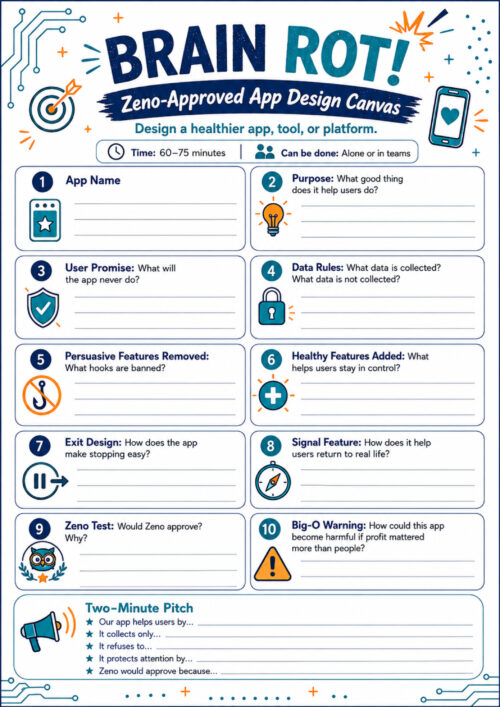
Day 5 – Cut the Noise: Design a Better App changes the student’s role from critic to creator. Having spent four days decoding persuasive technology, students are challenged to imagine technology that works differently. Using the Zeno-Approved App Design Canvas, they develop an app with a clear purpose, a user promise, sensible data rules, healthier features, an easy exit, and a feature encouraging meaningful offline activity. They must also consider how their creation could become harmful if increased engagement or profit gradually became more important than the user’s interests.
The optional final technology challenge asks students to build a prototype Signal Compass with three states—Clear, Fuzzy, and Fogged—that makes digital drift visible without taking control away from the user. Rather than simply blocking technology, their design must provide meaningful choices: continue intentionally, pause, switch off recommendations, return to the original task, or leave.
Designed for Homeschooling as Well as Group Learning
The Mini-Unit is structured for approximately 60–75 minutes per day, but the five days do not have to be consecutive. A homeschool family could comfortably spread the material across several weeks, while a co-op, library, or classroom could run it as an intensive week-long project. The suggested daily rhythm combines a short reconnection with the story, selected reading, discussion, a hands-on zero-tech activity, an optional technology-supported investigation, and a brief concluding reflection.
The activities are deliberately adaptable. Options are provided for one-to-one teaching, small groups, early or visual learners, learners with ADHD or sensory needs, ESL learners, non-verbal learners, and students ready for extension work. Technology activities are optional rather than compulsory. Families wanting a largely screen-free learning experience can concentrate on the physical games, discussion, investigation, drawing, sorting, design, and paper-prototyping activities.
This makes the Pack particularly suitable for mixed learning styles. A student who dislikes lengthy written exercises might construct a detective board with cards and string, physically assemble a feedback loop, design an app interface, record an explanation, or present a short pitch instead.
More Than Digital Safety
The Mini-Unit is interdisciplinary by design. Story analysis and character motivation connect naturally with English and literacy; algorithms, data, conditional logic, and interface design connect with Digital Technologies and Computer Science; surveys and graphical results introduce Mathematics; attention, sleep, relationships, habits, and self-regulation connect with Health and Wellbeing; persuasive visual techniques connect with Media Arts; and questions surrounding consent, commercial incentives, privacy, responsibility, and technological power open discussions in Humanities and Social Sciences.
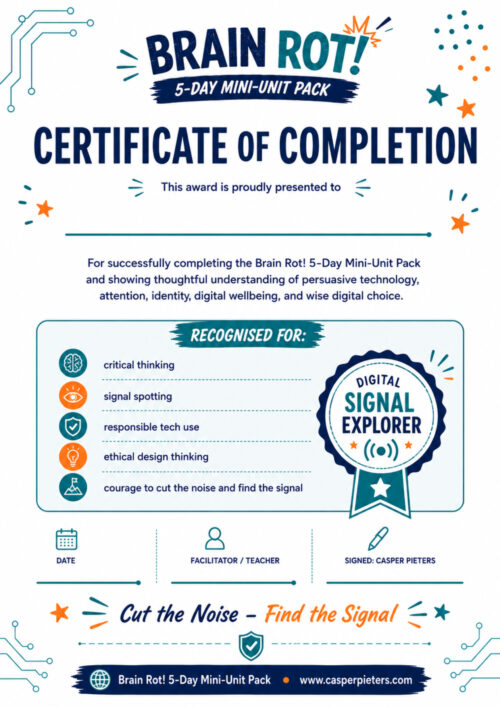
Each major activity includes an assessment rubric, making it possible for an educator to assess formal learning or for a homeschool parent to use the criteria more informally as a discussion and reflection tool. The Pack also includes 25 reusable fictional digital-life scenarios, character cards, printable game components, design resources, worksheets, and a Certificate of Completion.
What Learners Should Take Away
By the end of the five days, students are expected to be able to explain why persuasive design can make some apps difficult to stop using; identify feedback loops; recognize how ordinary online behavior can become usage data; explain how attention, prediction, advertising, and commercial incentives can interact; and evaluate digital features in terms of transparency, consent, wellbeing, and user control. Their culminating task is not simply to say that technology is “good” or “bad,” but to design a healthier alternative themselves.
That distinction is central to the Brain Rot! approach. The aim is not to frighten young people away from technology, nor to tell them what they should think about every app or algorithm. It is to help them develop the habit of asking better questions:
- What is this technology doing?
- Why is it doing it?
- What is it learning from me?
- Who benefits?
- Am I still making the choice?
- And how could this technology be designed differently?
For homeschooling parents and educators, the result is a self-contained project that combines adventure fiction, digital citizenship, AI literacy, media literacy, critical thinking, creativity, wellbeing, and ethical technology design without turning those subjects into a lecture. Students first encounter the problem through characters and consequences, then investigate it, model it, question it, redesign it, and finally apply what they have learned to the digital world around them.
In short, the Brain Rot! 5-Day Mini-Unit Pack is designed to help young teenagers do something more valuable than simply follow another set of screen rules: learn how to recognize the forces competing for their attention and develop the judgement to decide for themselves when to cut the noise and find the signal.
Additional information
| Grade | |
|---|---|
| Homeschool Style | |
| Parent Involvement | |
| Product Format | |
| Resource Type | |
| Worldview |
Only logged in customers who have purchased this product may leave a review.
Vendor Information
- Store Name: Storywise Learning
- Vendor: Storywise Learning
- No ratings found yet!
-

When Cyberbullying Happens, Know What to Do
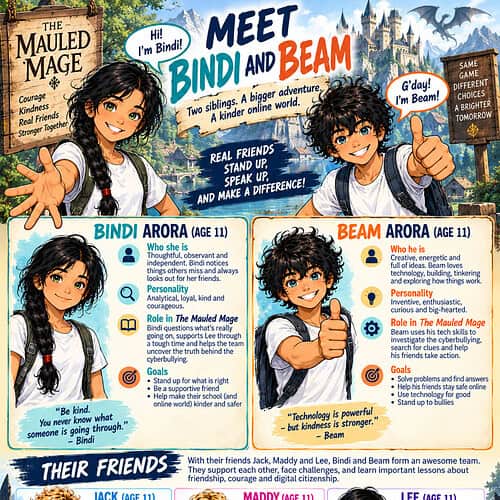
The Mauled Mage Read-Aloud Living Book Edition turns cyberbullying into a compelling, story-led learning experience for children aged approximately 9–12. Through Beam, Bindi, Lee, and their friends, young readers explore courage, empathy, friendship, trust, accountability,…

-
How Technology Hooks Attention and Learn How to Take It Back
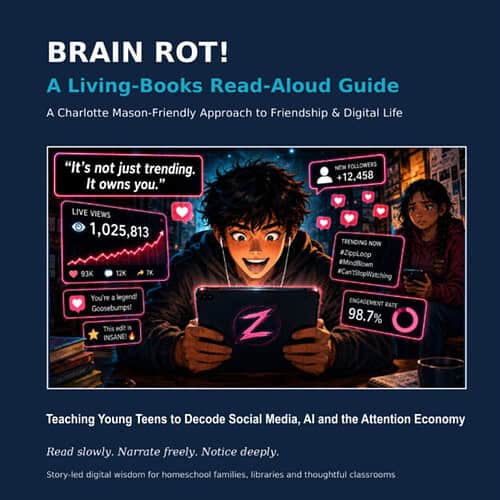
Brain Rot! Read-Aloud Living-Books Edition is a story-first learning experience for ages 11+ that helps young people explore social media, persuasive technology, AI, attention, and digital wellbeing through the adventures of Team Savv-i. Selected read-aloud…
-
Brain Rot! Beam’s Bad Day video and activities to learn about persuasive technology
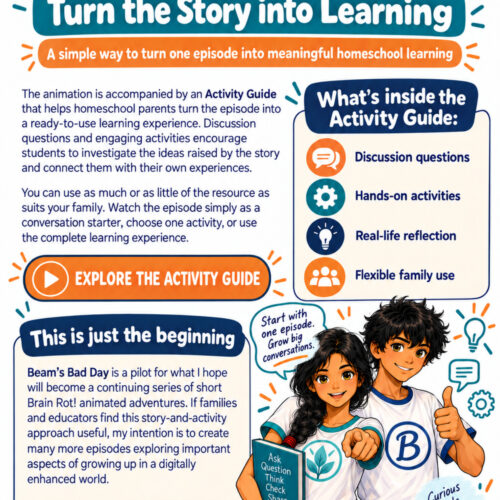
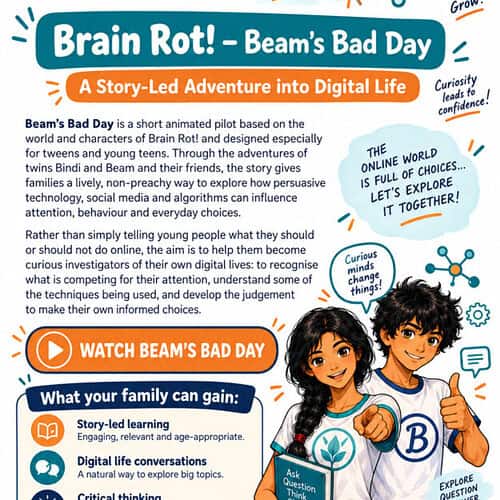
Brain Rot! – Beam’s Bad Day is a story-led digital citizenship learning resource for ages 11–14 that combines a short animated episode with discussion, investigation, and creative activities. Through Beam’s experience with the fictional app…
-
Explore Digital Escapism Through Story and Rediscover the Joy of Family, Friendship, and Real-World Connection
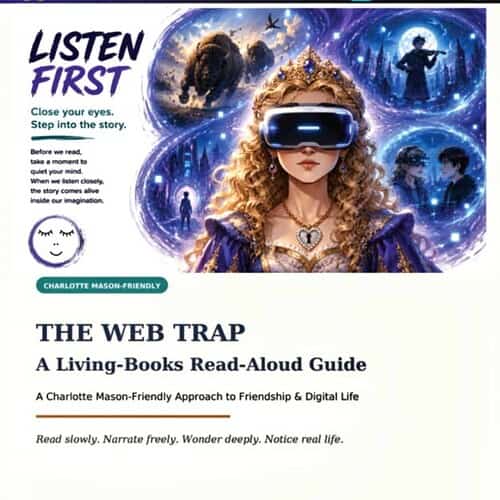
A Charlotte Mason-Friendly Read-Aloud for Understanding Screen Obsession and Building Healthier Digital Habits Step into The Web Trap—a story-led Living Books read-aloud adventure that helps children explore screen obsession, virtual escapism, friendship, and healthy digital…
-
The Tricks Games Use to Keep You Playing and How to Resist Them
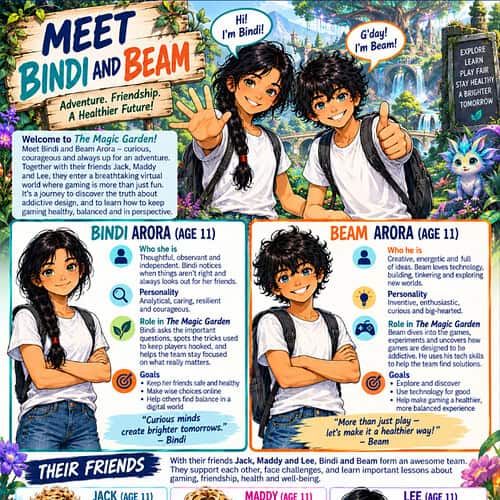
The Magic Garden Read-Aloud Living Book Edition is a story-led learning resource for homeschool families who want to help children aged about 9–12 understand persuasive game design, screen balance, and healthier digital habits without turning…
-
Discover When Technology Takes Over and Why Real Friendship Still Matters
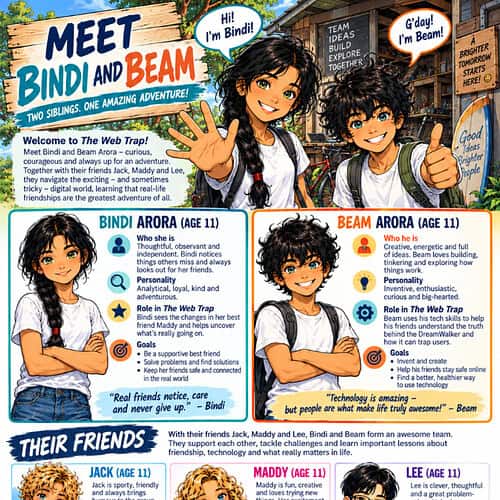
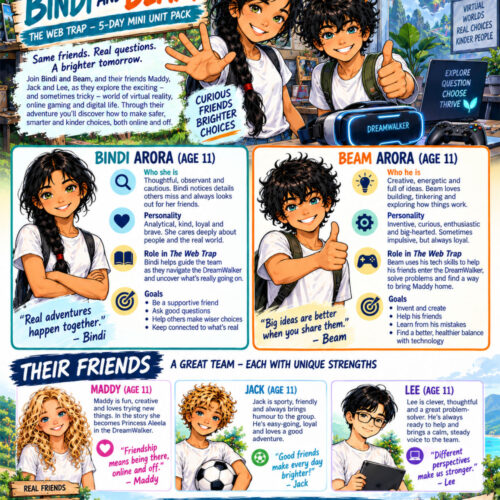
The Web Trap 5-Day Mini Unit Pack is a ready-to-use, story-based learning resource for ages 9–12 that helps children explore screen balance, digital wellbeing, attention, virtual identity and real-world connection. Selected story chapters are included,…


DIGITAL PRODUCT REFUNDS
Digital products are not applicable for refunds. Any purchase of a digital product (audio, video, course, download, printable, etc.) is final because we cannot revoke your access to digital content.
PHYSICAL PRODUCT REFUNDS
- This is a multivendor marketplace. As such, each store owner maintains their own refund policy. When purchasing from one of our vendors, you should reach out to them directly to address product concerns. Each of our vendors has their contact information in their store profiles.
- Should you have an issue with a product, please email the store owner directly using the owner information found in their store.
- If you have a problem with an item and are not receiving an appropriate answer from a vendor, please contact our site at [email protected] to escalate the issue.
- Homeschool Resource Co. is not able to troubleshoot our vendor’s products as we do not own them. However, we can reach out to the store manager on your behalf.
Related products
Morning Routine for Homeschool Moms
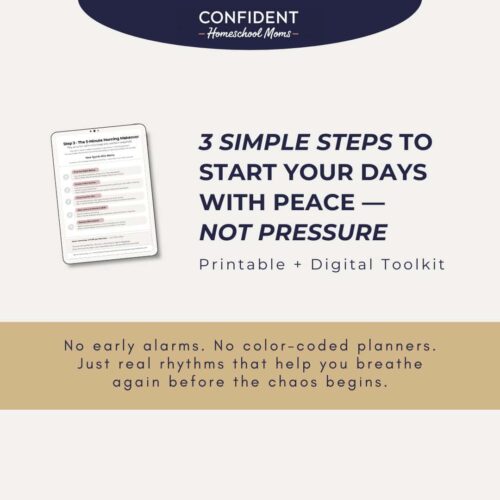
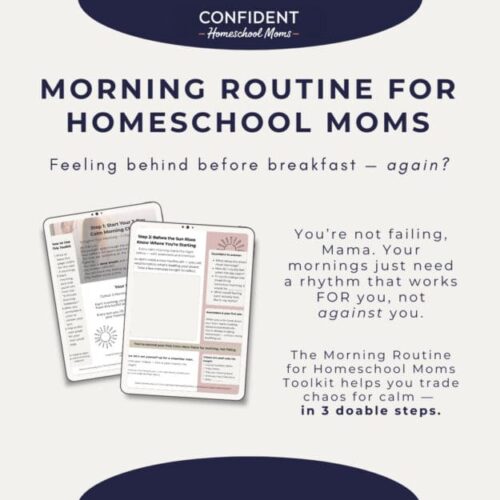
Feeling behind before breakfast — again? This 3-step quick-win toolkit helps you reset your mornings with simple prompts, doable habits, and real-life tools that actually fit homeschool life. You’ll find calm before the chaos —…

Resource List for Teaching Kids about Christ
These tools and resources are great ways to help wrap your children up in the Lord in all areas of their lives; worldview, education, friendships, discipleship, and more!



Yellow Homeschool Planner (90+ pages)
The Yellow Homeschool Planner offers 90+ printable pages including scheduling templates, lesson planners, student tracking, and goal-setting tools to organize your entire homeschool year while reducing planning stress and documenting educational progress.


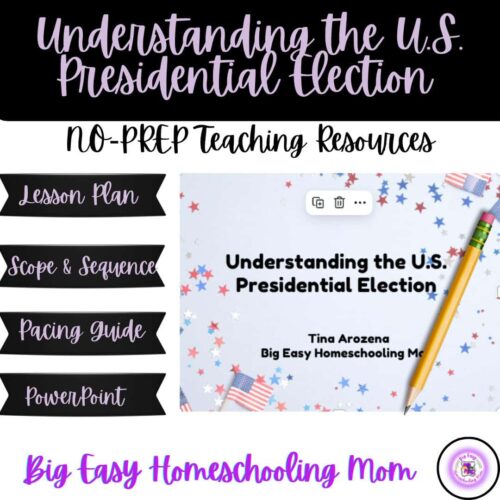
NO-PREP Teaching Resources Understanding the U.S. Presidential Election
Comprehensive 2-week detailed lesson plan, with a detailed two-week scope and sequence, and PowerPoint presentation NO-PREP Teaching Resources on Understanding the U.S. Presidential Election. Ideal for upper middle to high school students.
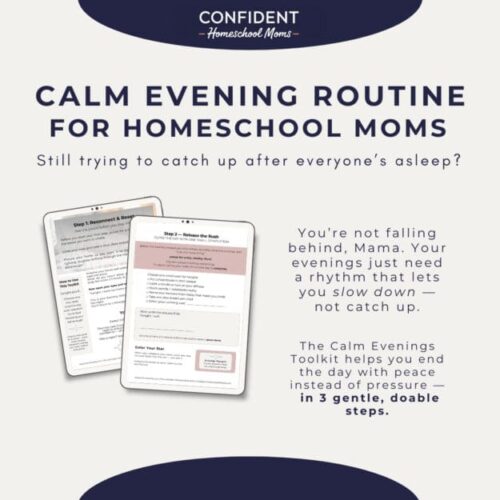
Calm Evenings Toolkit for Homeschool Moms
Feeling drained by the end of the day — and still trying to “catch up” after bedtime? You don’t need more productivity. You need rest that actually restores you. The Calm Evenings for Homeschool Moms…
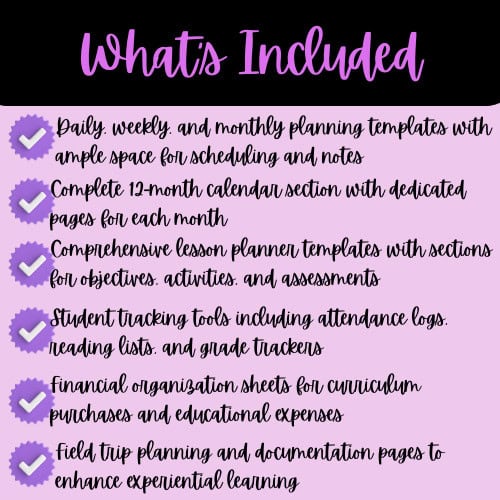
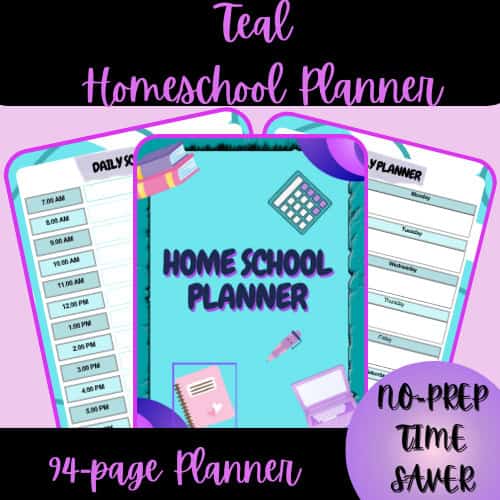
Teal Homeschool Planner (90+ pages)
The Teal Homeschool Planner offers 90+ printable pages including scheduling templates, lesson planners, student tracking, and goal-setting tools to organize your entire homeschool year while reducing planning stress and documenting educational progress.
Build Your Own Nature Study
Build Your Own Nature Study will inspire you and provide you with the tools and resources to create your very own nature study adventures. By delving into the wonders of the natural world, your children…
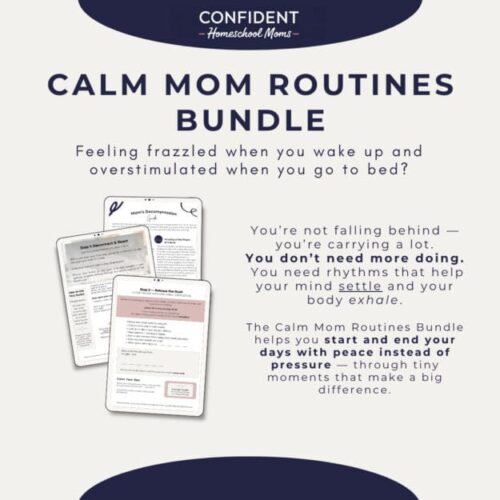
Calm Mom Routines Bundle for Homeschool Moms
Feeling frazzled when you wake up and overstimulated when you go to bed? You don’t need stricter routines or earlier alarms — you need tiny rhythms that help your nervous system feel safe again. The…
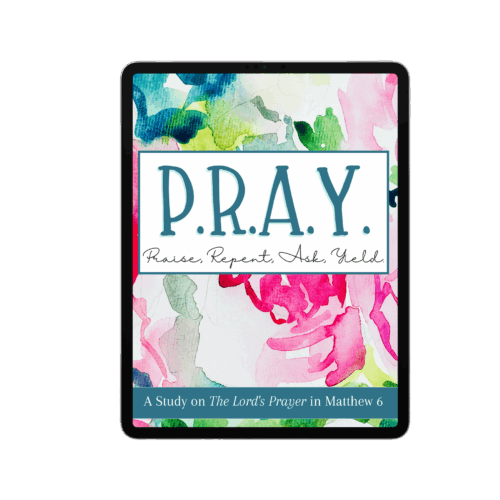
P.R.A.Y. Study for Adults
When should we pray? How should we pray? Why do we pray? Answer these questions, and so many more, through this P.R.A.Y. Study for Adults using the P.R.A.Y. acronym.
Reviews
There are no reviews yet.